E-Paper



Trepidation and hope for activists waiting on SC’s verdict on Article 377 that criminalises gay sex
Section 377 was read down by the Delhi HC in 2009, sparking effusive celebrations across the country but the Supreme Court overturned this verdict, and reinstated the law.


For Arif Jafar, the Supreme Court verdict on Thursday has been 17 years in the making.
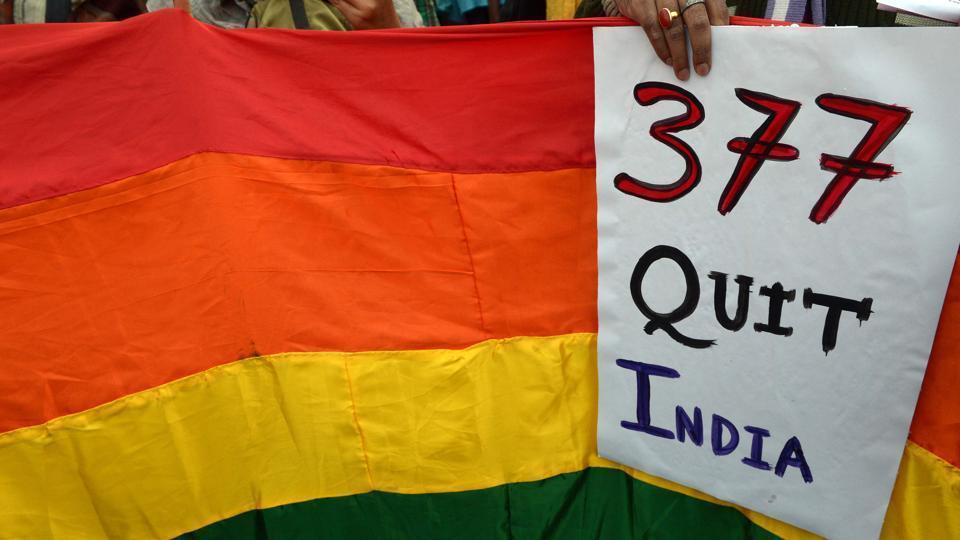
The 47-year-old activist from Lucknow was picked up from his home and booked by city police on July 8, 2001. Jafar was booked under Section 377 of the Indian Penal Code — a law framed in 1860 that criminalises same-sex acts, and effectively, homosexuality - for distributing condoms as part of their outreach to prevent the spread of HIV/AIDS.
Jafar and his associates were thrashed in public and thrown into jail for 47 days, where he endured torture, abuse and humiliation. But on Wednesday with just hours to go before the top court pronounces its verdict, Jafar, said the judgment had the power to erase the trauma of the ordeal. “I am hopeful of a positive judgment and keeping my fingers crossed. If the verdict is in our favour, it will make the fight worth it,” said Jafar, one of the 35-odd individual petitioners before the Supreme Court asking for the colonial-era law to be scrapped.
The Lesbian, Gay, Bisexual and Transgender (LGBT) community has been here before. Section 377 was read down by the Delhi high court in 2009, sparking effusive celebrations across the country but just as a new generation of queer people were getting used to the new-found freedom, the Supreme Court overturned this verdict, and reinstated the law. Activists and petitioners who had gathered outside the apex court in hope were reduced to tears.
But Akkai Padmashali, a Bengaluru-based activist who is a petitioner, is confident that there will not be a repeat this time. Padmashali, whose petition argues Section 377 hurts the transgender community and is in violation of the top court’s landmark NALSA judgment in 2014 that confirmed the rights of transgender people, said the comments by the judges during the hearing had given her hope.
“Moreover, the government didn’t oppose us in court, and left it to the wisdom of the SC. I was in court and the comments by the judges made it seem that they were in favour of us, that they understood our issues. I am more confident than anxious this time,” she said.
The movement against Section 377 began in the early 1990s after NGOs and health workers alleged the law was used against them and hampered work in preventing HIV/AIDS. The first petition was filed in the Delhi high court in 2001 as activists said the power of the law extended far beyond formal arrests - it helped create an atmosphere conducive to extortion, blackmail and abuse that often led to suicide. Some activists hope the judgment, if it goes in their favour, will helped push the boundaries of LGBT rights.