
 E-Paper



Mental health matters: Signs to look out for in your loved ones to identify chronic depression symptoms and ways to help

 Prefer HTon Google


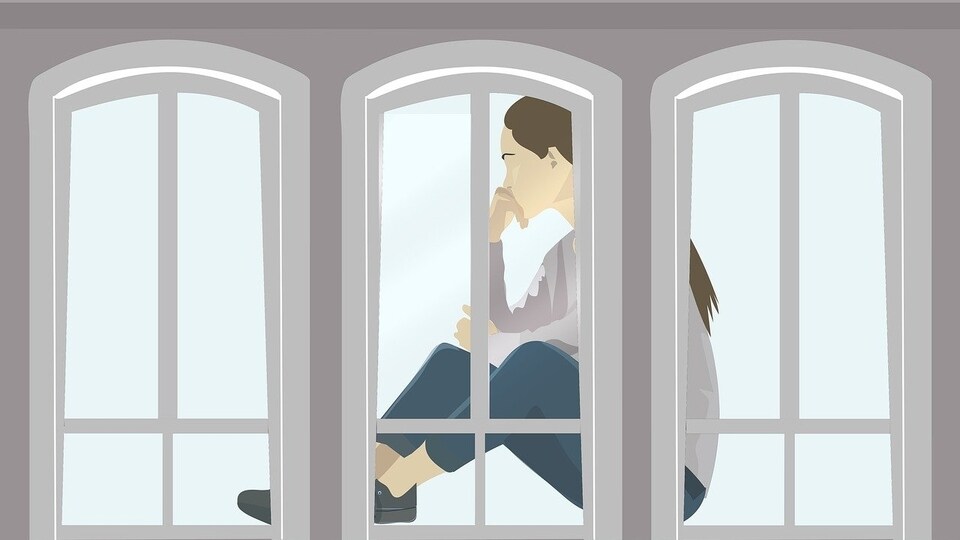
Spotting chronic depression in loved ones is crucial for their well-being. Here's how to recognise the signs and provide meaningful support.
Depression is a complex illness. It can affect many aspects of a person's life, including their physical health and interpersonal relationships. Of course, it also affects mental health. But being unhappy isn't the same as being depressed. The word 'depression' is often used indiscriminately to describe how people feel after a difficult week at work or a break-up. Major depressive disorder, another name for clinical depression, is more than just a depressed mood. Symptoms distinguish depression from the general melancholy that everyone experiences from time to time. It can be difficult to recognise chronic depression in a loved one, but early recognition is essential for successful treatment. Knowing the warning signs and symptoms will help you get them the help they need. (Also read: Transform your mental health with art therapy; 10 powerful activities to ease anxiety, depression )
"I've been sad for a while now," "I don't feel like eating." These phrases may sound familiar, as many of us have either heard them from others or experienced these feelings ourselves. Yet, the common responses to these confessions—"Don't be sad," "You'll be fine," or "Others have it worse, cheer up"—might not be as helpful as we intend. Instead of offering solace, these words can dismiss the person's emotions, making them feel unheard or trivialised. True emotional support doesn't start with solutions or comparisons. It begins with listening. When someone shares their struggles, they aren't always seeking answers or quick fixes; often, they just need to be heard. So why are they not feeling okay? There could be multiple reasons and depression could be one of them," says Dr. Jini K Gopinath, RCI Certified Clinical Psychologist and Chief Psychology Officer, YourDOST.
Symptoms of chronic depression
According to Dr. Jini, depression is defined as a disorder where an individual is persistently sad, loses interest in their daily activities, lacks motivation, and is unable to look forward to the future. It can manifest with various symptoms that affect both the emotional and physical aspects of a person's life. She further shared with HT Lifestyle some key indicators to look out for in identifying chronic depression symptoms in your loved ones.-
-Frequent Crying Spells: This symptom is often one of the most visible signs of depression. Individuals may find themselves crying frequently and sometimes without any obvious reason. This can be due to the overwhelming sense of sadness or hopelessness that accompanies depression, making emotions feel more intense and difficult to control.
-Lack of Energy: This symptom manifests as persistent fatigue or a continuous feeling of being drained, which does not go away with rest. It can significantly impact daily activities as the individual may struggle to muster the energy to complete even simple tasks. This chronic exhaustion contributes to decreased productivity and disengagement from once-enjoyable activities.
- Loss of interest in pleasurable activities: Depression involves a deep-seated sense of hopelessness and a belief that life lacks purpose or meaning. This pessimistic view can affect one's mood and outlook, leading to severe emotional distress. It often makes individuals feel detached from life and indifferent to the future.
"The sensation of viewing the world through a "black lens" describes the profound alteration in perception that depression can cause. Things that once had vibrant colour and meaning may appear dull and empty, mirroring the inner emptiness and despair the person feels. Physical symptoms of depression include trouble sleeping, chest pain, fatigue, aching muscles and joints, digestive problems, headache, changes in appetite, restlessness, etc. Therefore, it is very important to look into the underlying emotional causes that may cause physical uneasiness," says Dr. Jini.
She added, "If we can understand these symptoms in detail, it can help us to recognise early signs of depression, thereby facilitating timely intervention and support. If you or someone you know is experiencing these symptoms, it might be helpful to consult a mental health professional for a comprehensive evaluation and appropriate treatment. In the Indian context, mental health has been stigmatised for ages, and this stigma persists even if we have progressed to some extent. It is very difficult for individuals to accept their emotions and admit to themselves that there is something wrong. Even if they do, the next step of opening up leaves them unheard and warded off. That is where their loved ones should come in and act."
Discussing gender differentiation in depression, Dr. Jini revealed, "The manifestation of depression differs by gender due to societal expectations. Men often express their distress through anger and are expected to carry emotional burdens quietly, using 'temper' or 'anger' as socially accepted coping mechanisms. They are entitled to be in a rough mood, given the gender stereotype and hierarchy of men. Women, on the other hand, are tasked with managing household duties, careers, and the emotional expectations of being the 'mature one' and have limited opportunities to openly express their emotions, often suppressing them. This can reinforce stereotypes and gender discrimination. Other genders struggle with societal acceptance and visibility, making it difficult to seek help when facing depression. Thus, understanding the gendered expressions of depression is crucial for addressing its root causes effectively."
Ways to Support Someone Experiencing Depressive Symptoms
Here are some ways suggested by Dr. Jini to provide support if you know someone who is experiencing depressive symptoms:
1. Initiate the Conversation: If they seem reluctant to start talking, be the one to reach out first.
2. Listen Without Judging: Simply listen to them without offering opinions or judgments on what they share.
3. Validate Their Feelings: Recognise their emotions and reassure them that there are ways to feel better.
4. Encourage Professional Help: If they're diagnosed with depression, reassure them that it's a treatable condition and encourage them to seek professional help without feeling any stigma.
5. Guide Them to Professional Care: Help them connect with a psychologist or psychiatrist for a comprehensive evaluation, even if their symptoms seem primarily physical.
6. Self-Care for Caregivers: Remember to look after your well-being while you are supporting others.


