


 Live Score
 Cricket Teams
 Cricket Players
New Zealand Cricket advance to bridge the pay gap
But unequal scheduling and opportunities in cricket mean we are a long way from ensuring absolute gender parity

 Prefer HTon Google


In what’s been proclaimed as a ground-breaking move, New Zealand Cricket took the lead in becoming the first cricket board to introduce pay parity in the game. ‘Same pay for the same work on the same day’ said NZC’s press communication.
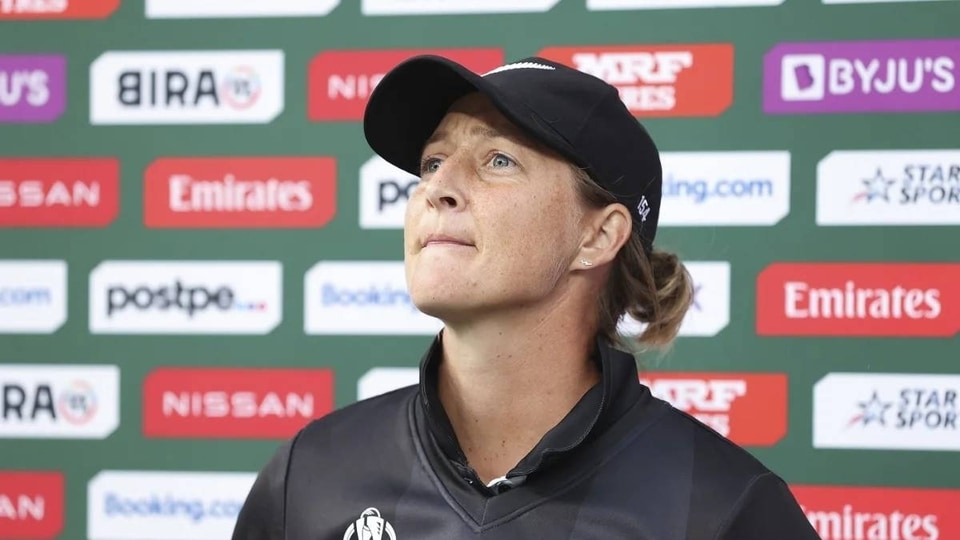
That’s true on paper as the match fees for New Zealand’s men and women cricketers will now be the same. But that doesn’t translate to equal pay in an absolute sense, yet. Not just due to cricket’s unequal playing calendar for men and women but also because a major chunk of player salaries come from their annual contracts, where there continues to be significant disparity.
New Zealand’s Test cricketers are much better paid as opposed to their white-ball specialists. On paper, Kane Williamson and Sophie Devine will now receive and equal – US $10,250 for every Test match. But a search for New Zealand women's last Test appearance, back in 2004, ensures the irony is not lost on anyone. Similarly, even in white-ball cricket the men’s calendar continues to be a lot busier which would widen the gap in pay.
However, the new pay structure does manage to reduce the pay gap when it comes to retainerships. Earlier, the highest paid NZ women contract ($83,432) was worth 18 % of men’s top pay. After revision, it’s ($163,246) now 31 % of the highest contract for men. “It represents a significant step forward as we continue to grow our investment in women’s cricket,” NZC chief executive David White said.
To reach the agreement, NZC worked together with the players’ body – NZCPA, six major Associations on advice of a gender pay expert.
Another thing to like about the new pay structure is that the player payouts form a very healthy component (29.75%) of all the NZC’s forecast revenue over five years.
Even the top-ranked women’s domestic players would receive equal match-fees as men. The agreement would see the total number of women’s domestic contracts increase from 54 to 72.
NZ PLAYERS TAKING HOME MORE THAN INDIANS
Pay parity or not, New Zealand cricketers will be earning a lot more than Indian women players, despite Board of Control for Cricket in India’s (BCCI) cash-rich status. While the match fees for Indian men are healthy – ₹14 lakhs for a Test, 6 lakhs for ODI and 3 lakhs for T20I, the women’s match fees across formats stand at ₹1 lakh ($1260) per match.
The White Ferns will now get $4,000 for each ODI and $2,500 for a T20I. As far as annual retainerships go, the highest paid White Fern contract ($163,246) is also worth lot more than a Grade A contract for BCCI women ( ₹50 lakhs - $ 63,032). Although, NZC do mention that the remuneration amount is inclusive of match fees, Trust IP payments, retirement fund contributions and insurance.
The BCCI would also need to set the process in motion. All eyes are on the much-anticipated beginning of women’s IPL, next year for which plans are to invite private ownership and sell media rights, independently. The International Cricket Council (ICC) has already made a move by going to the market with a standalone offering of women’s media rights for its world events (2024-27).
But all cricket boards have begun to be conscious of societal change. Cricket Australia had topped up the prize money won by Meg Lanning and her team at the 2020 T20 World Cup to ensure parity with what the ICC was paying the men’s winning team.


