
 E-Paper



Most Pak army officers support jihad against India: Ex-envoy’s book
Most officers of the Pakistan Army still view India as “Enemy Number One” and consider jihad or asymmetric warfare as a weapon of choice, according to a book by former Pakistani envoy Husain Haqqani.

 Prefer HTon Google


Most officers of the Pakistan Army still view India as “Enemy Number One” and consider jihad or asymmetric warfare as a weapon of choice, according to a book by former Pakistani envoy Husain Haqqani.
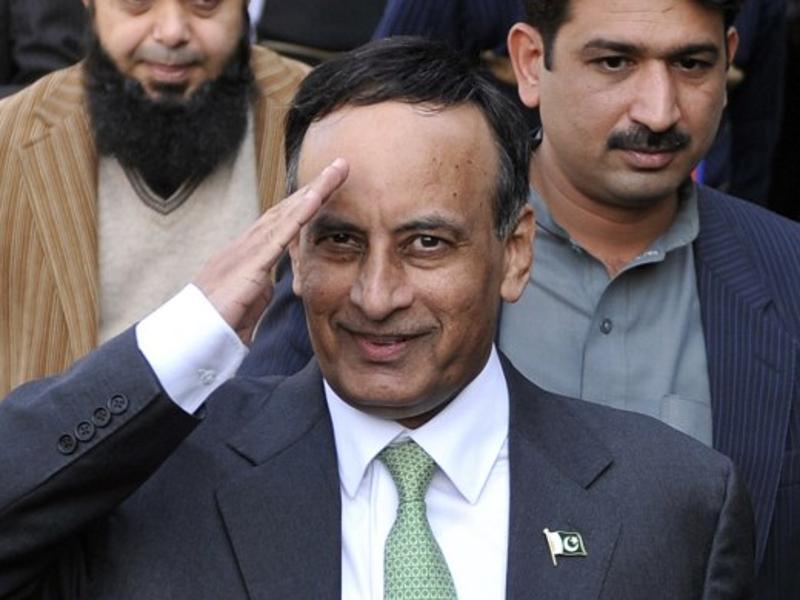
There is also a widespread view among Pakistan Army officers that “terrorism in Pakistan is sponsored by India and the United States” and the officer corps “suspects that the goal of foreign-sponsored Jihadi terrorism is to cause Pakistan’s implosion in an effort to denuclearise it”.
These were among the key findings of a survey of National Strategy Papers written at the National Defence University in Islamabad during 2007-2012 and an examination of the last decade’s army “Green Book”, Haqqani writes in an updated version of his book “Pakistan: Between Mosque and Military”.
The Green Book is an internal publication of the army with essays by serving and retired officers that reflects the military’s overall strategy and objectives.
Read | Not poor or ignorant, engineers 17 times more likely to become jihadis
“Any civilian offering an alternative view is liable to be looked upon with suspicion by the men in uniform,” writes Haqqani, who was forced to leave Pakistan and move to the US after he was accused of being behind a secret memo seeking American help to prevent a possible coup in 2011.
In many ways, these findings reflect the Pakistan Army’s long-standing animosity towards India and its close links with groups such as Lashkar-e-Taiba and Jaish-e-Mohammed that have been responsible for assaults such as the 2008 Mumbai attacks and the January 2 strike on Pathankot airbase.
The book, originally published in 2005 and updated to reflect subsequent developments, notes that former army chief Gen Ashfaq Parvez Kayani had, during an interaction with media in 2010, said that the force “remains an India-centric institution” and this status would not change “until the Kashmir issue and water disputes were resolved”.
Read | LeT, JeM get candid support from Pakistan, says army chief
Haqqani writes that a Taliban massacre at an army-run school in Peshawar in December 2014 – during which more than 130 children were killed - had “generated the expectation of a turnaround in Pakistan’s military strategic thinking”.
People believed army chief Gen Raheel Sharif – a general “known to believe that Talibanisation was not in Pakistan’s interest” – would expand a military offensive against militants in North Waziristan to cover all possible terrorist safe havens, Haqqani writes.
This never happened. Haqqani writes Gen Sharif was “likely constrained by his own institution more than any other factor”.
Read | Osama wanted major chunk of his $29 million wealth to be used on jihad
Pakistan’s “Jihadi infrastructure”, he writes, grew out of a “carefully nurtured national narrative and state ideology” and advocates of modern secular values were denigrated as “enemies of the ideology of Pakistan”.
“This ideological milieu has helped religious-political groups exercise a greater influence on the national discourse than is justified by either the size of their membership or the number of votes they have obtained in Pakistan’s sporadic general elections,” he adds.
If Pakistan’s nationalism is defined “solely in religious terms and the state rhetoric does not change”, Gen Sharif’s efforts against jihadis will “prove as ineffective as similar juggling attempts under” his predecessors, Kayani and Gen Pervez Musharraf, Haqqani writes.
Also read | Al Qaeda ‘hacks’ Indian Railways website, asks people to join ‘jihad’



