
 E-Paper



Top 5 reasons why the Indian stock market fell continuously for three days
Multiple factors including a 14-day rally before the fall, combined with labour and inflation concerns in the US caused the Indian stock markets to fall


The Indian stock market extended its losing streak for the third straight session on Friday, with the Nifty 50 opening down at 25,093 and touching an intraday low of 24,879, losing around 400 points.
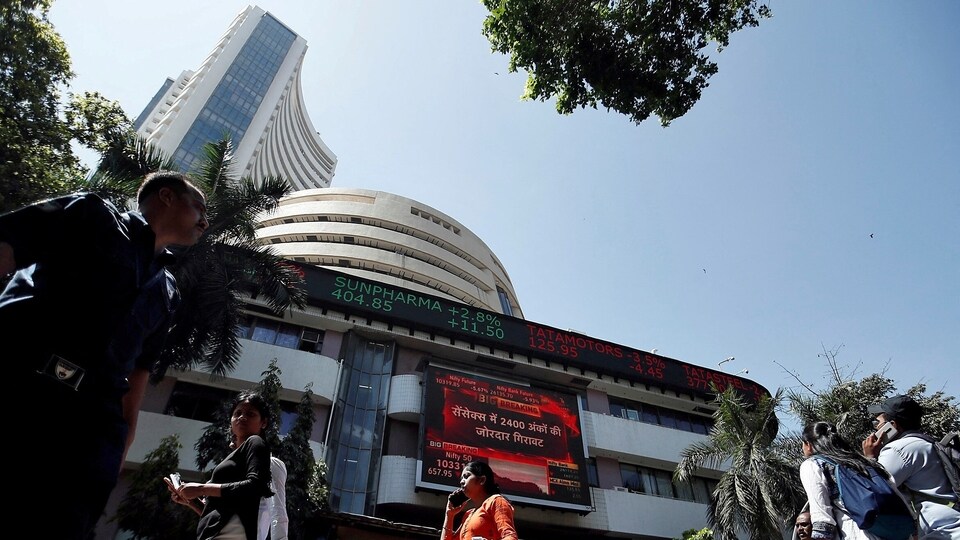
The BSE Sensex opened with a downside gap at 82,171 and touched an intraday low of 81,304. This was an intraday loss of 867 points within just a few minutes of the stock market's opening bell.
Also Read: Investors lose ₹4.12 trillion during morning trade as stock market falls
Why is the Indian share market falling?
The top five reasons why the Indian stock market is falling are as follows:
1) The upcoming US Fed meeting: A major reason why the stock market is falling is because of the fast approaching US Fed meeting of this month. If the Fed cuts rates by 25 bps, the market may not cheer it, but a rate cut of 50 bps or more may inject a lot of extra capital into the markets, according to a Mint report.
2) Overbought condition: prior to the sell-off which started on Wednesday, the market had rallied for 14 days, indicating that the market has been previously overbought, according to the report.
Also Read: India to tighten derivatives rules despite investor pushback: Report
3) US dollar rate rebound: The US dollar index gained about 1% in the last three sessions due to revision in the US inflation average, which fueled demand more towards currencies, treasuries, and bonds.
4) US job data: Job openings in the US dropped to a three and a half year low, showing a labour slowdown in the US which has also dragged down global markets, according to the report.
5) US inflation concerns: The US labour marekt slowdown has triggered fears of inflation in the US, which may make the Fed rethink its decision to perform a rate cut, the report read.
Also Read: NPS Vatsalya for minors to launch in two weeks, find all its details here


