
 E-Paper



Only collective action can tackle Capital crisis
Cleaner air is not an impossible dream—it’s a necessary one. For the millions in Delhi and beyond, the time to act is now. Every breath matters, if we have to live a good life

 Prefer HTon Google


Northern India, particularly Delhi and the NCR region, is grappling with choking air. According to the World Health Organization (WHO), 14 of the 20 most polluted cities in the world were in India as of 2018, with Delhi often leading the charts for PM2.5 concentrations. The winter of 2023 painted a grim picture, with Delhi’s Air Quality Index (AQI) frequently surpassing 400—the “hazardous” threshold—and touching over 500 during peak episodes. This year is much worse, with AQI remaining above 500 for prolonged periods.
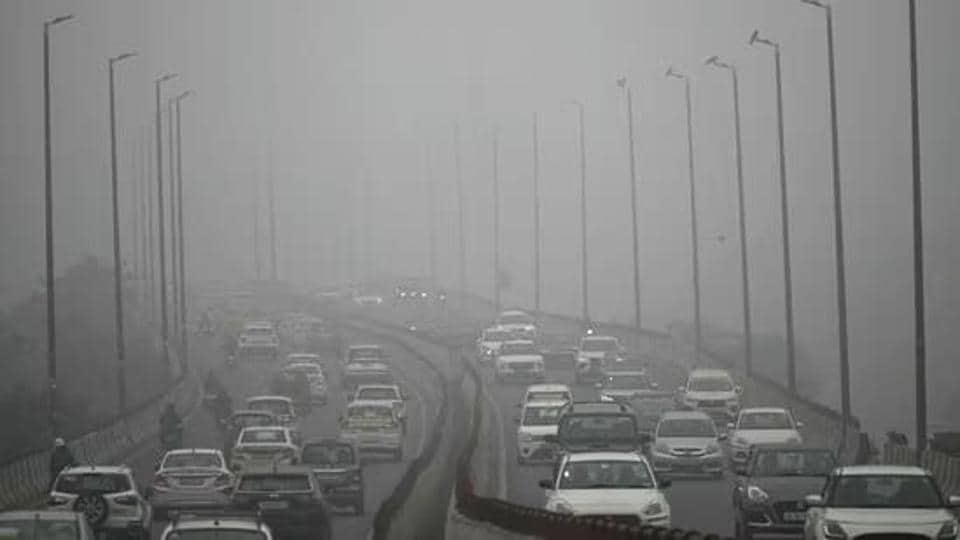
These conditions aren’t just an environmental concern but a public health emergency. A 2023 study by the Energy Policy Institute at the University of Chicago (EPIC) found that air pollution reduces life expectancy in Delhi by an alarming 11.9 years, with the average northern Indian losing 5.3 years to chronic exposure.
‘Perfect storm of pollution’
The roots of this crisis run deep. Vehicular emissions dominate urban pollution, contributing nearly 40% of Delhi’s particulate matter. Over the past three decades, Delhi’s vehicle count has ballooned from 2 million in 1990 to over 12 million in 2023. Diesel vehicles are particularly harmful, emitting high levels of nitrogen oxides (NOx) and fine particulates. Compounding the problem is stubble burning in Punjab, Haryana, and Uttar Pradesh. As farmers prepare fields for the next crop cycle, they set fire to leftover crop residues, releasing plumes of smoke that drift toward Delhi. Despite government bans and alternatives like the Happy Seeder, economic hardships and logistical hurdles keep stubble burning a persistent issue, contributing 25-30% of Delhi’s winter pollution.
Climate and geography exacerbate the situation. During winter, thermal inversions trap pollutants close to the surface, creating a toxic dome over the city. Delhi’s bowl-shaped topography amplifies this effect, preventing the dispersal of pollutants. Climate change further complicates matters, with erratic monsoon patterns reducing rainfall’s natural ability to cleanse the air. Meanwhile, coal-based power plants remain major polluters. Despite ambitious renewable energy goals, coal still accounts for 70% of India’s electricity generation, releasing particulate matter, sulfur dioxide, and other harmful emissions into the atmosphere.
These factors create a perfect storm, and the response so far has been inadequate. Initiatives like the odd-even vehicle scheme showed promise, reducing traffic emissions by 13% during its implementation. However, their overall impact has been limited, as industrial emissions, stubble burning, and construction dust continue unabated. The National Clean Air Programme (NCAP), launched in 2019, aims to cut particulate matter levels by 20-30% by 2024, but its progress has been slow due to inadequate enforcement and underfunding.
Systematic change is the first step
Real solutions require systemic change. Transitioning from coal to renewable energy is critical. According to the International Renewable Energy Agency (IRENA), India could generate 40% of its electricity from renewables like solar and wind by 2030. Accelerating this transition through subsidies, investment in infrastructure, and supportive policies could significantly reduce emissions. In agriculture, scaling up sustainable practices is essential. Subsidising bio-decomposers and Happy Seeder machines while fostering public-private partnerships could provide farmers with practical alternatives to stubble burning. Educational outreach programs can further drive the adoption of cleaner practices.
Urban mobility needs a transformation. Expanding Delhi’s metro network, introducing more electric buses, and incentivizing the adoption of electric vehicles can help reduce reliance on polluting private cars. Some global cities have already demonstrated the effectiveness of low-emission zones and congestion charging schemes in curbing urban pollution—measures Delhi could adopt. Simultaneously, stricter emissions standards for industries and vehicles, backed by real-time air quality monitoring systems, are necessary to ensure compliance.
Integrate climate-responsive designs in urban planning
Urban planning must also integrate climate-responsive designs, such as green spaces and improved waste management systems, to mitigate pollution.
The air quality crisis transcends environmental concerns—it’s an intersection of climate change, economic priorities, and social equity. Policymakers, industries, and citizens alike must embrace a new paradigm that balances development with sustainability. The stakes are clear: every day of inaction costs lives, and every step forward, no matter how small, can save them.
We have the tools and knowledge to solve this crisis, but success hinges on collective will and cooperative action. Cleaner air is not an impossible dream—it’s a necessary one. For the millions in Delhi and beyond, the time to act is now. Every breath matters, if we have to live a good life. The Central Pollution Control Board (CPCB), the Delhi Pollution Control Committee (DPCC), and the Ministry of Environment, Forest and Climate Change (MoEFCC) though worked hard to monitor and enforce air quality standards, have not succeeded to achieve the expected outcomes due to with limited resources, insufficient enforcement, and fragmented efforts. These institutions need to be revamped to make them more visible, efficient, and proactive in the public sphere. The System of Air Quality and Weather Forecasting and Research (SAFAR) network should be expanded to cover more cities and integrate it with smart city solutions. Transparent air quality monitoring systems, reinforced by stronger regulatory frameworks and public accountability, will also pave the way toward a cleaner, healthier future.
sureshkumarnangia@gmail.com
( The writer is a retired Punjab-cadre IAS officer. Views expressed are personal.)


