
 E-Paper



PGI breakthrough: PET/CT-guided prostate biopsy shows strong cancer detection success
Unlike traditional methodologies, the PET/CT-guided biopsy allows for a more precise and less intrusive method of identifying prostate cancer, say PGI authorities

 Prefer HTon Google


In a groundbreaking development, PGIMER has taken the lead in PET/CT-guided prostate biopsy, setting a new standard in precision medicine.
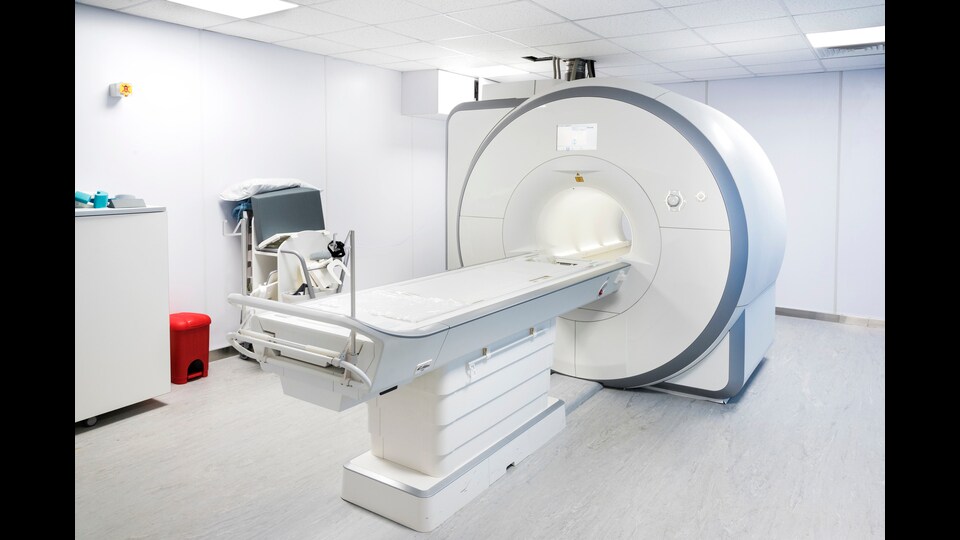
Departing from conventional hit-and-trial methods, this cutting-edge technology achieves an unprecedented 95% success rate with just a single puncture, say hospital authorities, revolutionising prostate cancer diagnostics globally.
Unlike traditional methodologies, the PET/CT-guided biopsy allows for a more precise and less intrusive method of identifying prostate cancer, they say.
“The success of this pioneering technique not only exemplifies a breakthrough in medical technology but also underscores PGIMER’s commitment to pushing boundaries in healthcare,” says Dr BR Mittal, professor at department of nuclear medicine, PGIMER, that leads the charge in advancing patient care through innovative solutions.
Dr Rajender Kumar, additional professor of nuclear medicine, explains that PET/CT is a functional imaging technique, distinguishing between viable and non-viable parts within a lesion or mass. Unlike traditional methods, PET/CT-guided biopsies target the viable part of the lesion, ensuring a more accurate diagnosis, reducing chances of negative biopsies, financial burdens and complications.
Minimised rectal exposure also reduces risk of infection
Dr Kumar adds that the department’s PET/CT-guided prostate biopsy, a unique procedure globally, minimised rectal exposure, reducing the risk of infections.
“In the traditional method, doctors take samples by poking the rectum multiple times, sometimes as many as 12 or even 50 times. This method is not only uncomfortable but also risky. When they poke the rectum, bacteria from there can get into the prostate, leading to a high risk of infection. Besides the success rate of detecting cancer is also only around 30%,” added Dr Kumar.
“Using PET/CT is much better. Instead of poking the rectum, we take a sample through a muscle in the pelvic glute area with just one poke. This makes the process more comfortable for the patient and chances of infection are much lower,” he added.
In a study published in the European Journal of Nuclear Medicine in 2022, PET/CT-guided biopsy established a pathological diagnosis in 92.3% of cases with inconclusive previous conventional biopsies. Another study in the American Journal of Roentgenology revealed a diagnostic yield of 98.2% for PET/CT-guided bone and bone marrow biopsies, surpassing CT-guided biopsies at 82%.
As such, this revolutionary technique promises a more accurate, efficient and less invasive future for prostate cancer diagnosis and treatment worldwide, say the doctors.


