
 E-Paper



Punjab sets target to bring 5-lakh acres under direct seeding of rice
The initiative, which is expected to save 15–20% of the state’s groundwater, also aims to ease the financial burden on farmers

 Prefer HTon Google


In a bid to combat groundwater depletion and support sustainable agriculture, the Punjab government on Thursday launched the direct seeding of rice (DSR) technique for the upcoming kharif season. The initiative, which is expected to save 15–20% of the state’s groundwater, also aims to ease the financial burden on farmers.
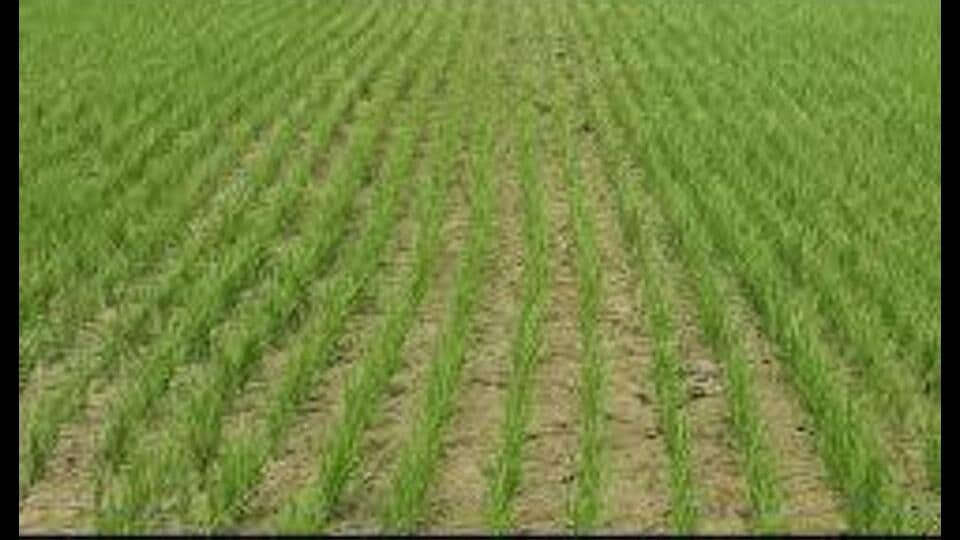
DSR is a cultivation method where paddy seeds are planted directly into the soil, eliminating the need for nursery growth and transplanting, which require fully watered conditions.
In a statement on Thursday, chief minister Bhagwant Mann said the state government has set a target of bringing five-lakh acres under the DSR technique this season. He emphasised that this step is part of his government’s broader commitment to safeguard the interests of farmers and promote environmentally responsible agriculture.
“This initiative is a catalyst for checking the further depletion of groundwater and will supplement the income of farmers in a big way,” Mann said.
To encourage adoption, the state is offering financial assistance of ₹1,500 per acre to farmers who opt for DSR. A budgetary allocation of ₹40 crore has been earmarked for the scheme in the 2025–26 financial year. Farmers interested in participating can register on the official portal agrimachinerypb.com between May 10 and June 30.
Highlighting the economic advantages, the CM noted that DSR not only conserves water but also reduces labour costs by approximately ₹3,500 per acre. “It is a big boon for Punjab as it supports both environmental and economic sustainability,” he added.
The CM also reiterated the state’s historical contribution to India’s food security and acknowledged the environmental cost of that achievement. “Punjab played a key role in making the country self-reliant in food production, but it came at the expense of our soil and groundwater,” he said.
Mann acknowledged the challenges facing the agricultural sector, citing non-remunerative minimum support price (MSP) and rising input costs as major concerns. He urged farmers to embrace this new method as a duty toward their “motherland” and as a step toward overcoming the ongoing agrarian crisis.


