
 E-Paper



DTC board approves induction of 1,500 more e-buses
These buses and another batch of 300 e-buses, which have already started arriving, are the DTC’s first procurement in at least a decade since the Commonwealth Games in 2010

 Prefer HTon Google


The Delhi Transport Corporation (DTC) Board on Friday approved the induction of 1,500 low-floor electric buses in its fleet. These buses and another batch of 300 e-buses, which have already started arriving, are the DTC’s first procurement in at least a decade since the Commonwealth Games in 2010.
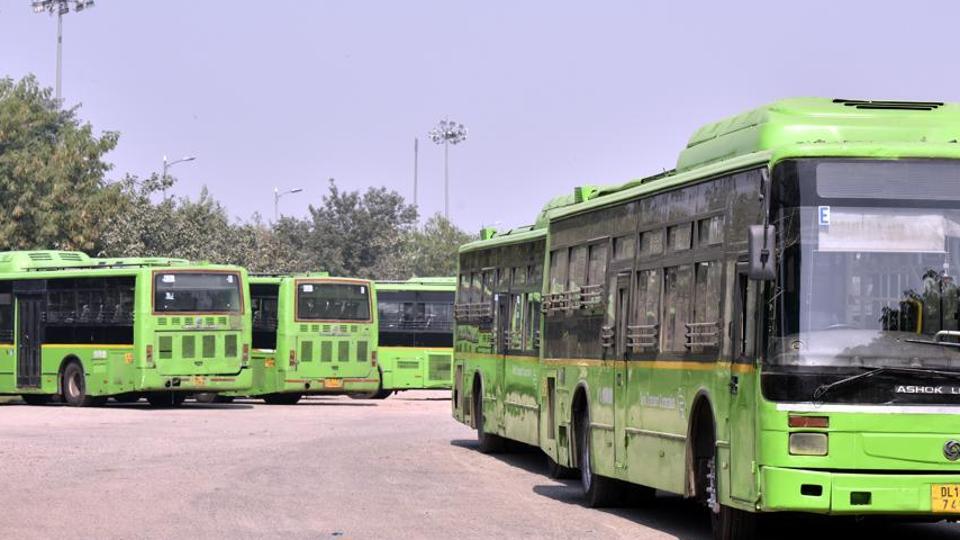
This month, at least 100 e-buses are likely to be rolled out in two batches of 50 each, senior transport officials said. These 100 buses are a part of the 300 e-buses ordered by the DTC and two have already been pressed into service.
Transport minister and DTC Board chairman Kailash Gahlot said, “With the induction of electric buses on such a large scale, augmentation of infrastructure and demand incentives to consumers, we don’t intend to leave any stone unturned in making Delhi the EV capital of the world.”
“Over the past nine to 10 months, we have held rigorous meetings to understand the shortcomings in DTC’s tender documents and plugged the gaps. I have personally been monitoring the entire bus procurement plan and we finally have good news. After more than a decade, DTC will finally roll out 1,800 new buses over a span of 20 months from now,” said Gahlot.
He said the entire batch of 300 e-buses will be pressed into service by the end of December this year. As for the remaining buses, the minister said the Delhi government has been sanctioned 1,500 e-buses by the central government.
The DTC Board had already approved the procurement of 921 buses under FAME-II (Faster Adoption and Manufacturing of Hybrid and Electric vehicle) category and the remaining 579 buses under non FAME-II category. For the 579 buses in the non-FAME category, the Delhi government will provide a subsidy of ₹262.04 crore, on par with the FAME-II subsidy.
The DTC Board also resolved to provide in-principle approval to procure 75 (38 non-AC and 37 AC) CNG standard floor buses for interstate operations. They will ply on 11 routes across five states (Uttarakhand, Uttar Pradesh, Rajasthan, Haryana, and Punjab) and the Union Territory of Chandigarh. The routes will be Delhi-Rishikesh, Delhi-Haridwar, Delhi-Dehradun, Delhi-Haldwani, Delhi-Agra, Delhi-Bareilly, Delhi-Lucknow, Delhi-Jaipur, Delhi-Chandigarh, Delhi-Panipat, and Delhi-Patiala.
“With Interstate services, we want to make travel more convenient for Delhi residents to and from other states, as well as expand our quality services to other geographies. By bringing more women into our workforce and making them part of our transportation system, we also want to ensure that public transportation becomes safer and equitable for all citizens of Delhi,” the minister said.
The Board also decided to enhance the stipend paid to women candidates during their training period, as drivers on contract basis, from ₹6,000 per month to ₹12,000 a month, with HMV (heavy motor vehicle) driving licence.
Delhi currently has 7,081 buses of which 3,762 are DTC buses and 3,319 are cluster buses. As per a Supreme Court’s mandate, Delhi should have 11,000 buses to cater to its population of nearly 20 million.


