
 E-Paper



Dengue cases rise in Lucknow, three dozen reported in three days
Dengue cases in Lucknow rise to 284 this year, with 21 new cases reported in 24 hours. Health officials stress prevention and awareness measures.


In the past three days, at least three dozen people in the state capital have reported positive for dengue, bringing the total number of cases to 284 this year. The majority of cases have been reported in August and September.
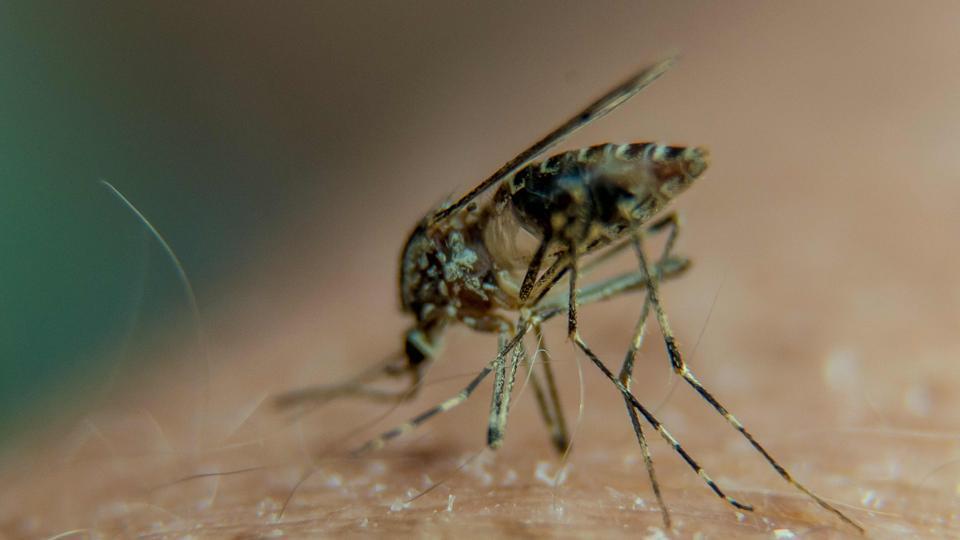
This year, a total of 700 dengue cases have been reported in the state till August.
Ritu Srivastava, the district malaria officer, said on Sunday that a total of 21 people had tested positive for dengue in the past 24 hours. “While six cases were reported on Saturday and 16 were reported on Friday. The cases emerged from various areas of the district, including Gosaiganj, Alambagh, Indiranagar, pockets in Gomtinagar Extension, Gossainganj, Mall and Chinhut.
In addition to dengue cases, a total of 379 malaria cases have been reported in Lucknow this year. Ritu Srivastava, said that the health department is proactively implementing measures, including measures on ground-level and awareness among people. “Individuals play a crucial role in preventing mosquito breeding by ensuring there is no stagnant water, not even a spoonful, as this simple measure can reduce cases by 90%,” she said.
“Patients, once identified, are advised to stay hydrated and follow medical attention to ensure swift recovery,” said chief medical officer (CMO) Dr Manoj Agrawal, adding that this year hospitalisations need has remained low.
He advised to seek medical attention in case of fever, headache, joint pain, and to avoid self-medication.
“Even if it does not rain during the upcoming month of October, the risk of mosquito bites remains until mid-October. Therefore, people need to stay vigilant and take preventive measures,” said prof Samir Misra, senior faculty at King George’s Medical University.
Doctors have cautioned that people living in apartments as high as the fifth floor are still at risk of vector-borne diseases. “Water stagnating for just a few days in a flowerpot is an ideal breeding ground for dengue-causing mosquitoes. These mosquitoes thrive in areas close to human populations and often rest indoors in dark places, such as under beds or behind curtains, where they are shielded from wind, rain, and predators. This increases their lifespan and the likelihood of transmitting the virus from one person to another,” explained Dr Sheetal Verma, senior faculty at King George’s Medical University (KGMU).


