E-Paper



Naveen Patnaik resigns as Odisha CM, paves way for new BJP government
Keeping ‘Odia Asmita’ (Odia pride) as its main poll plank, the BJP won 78 seats in the Vidhan Sabha, and 20 of the 21 Lok Sabha seats in Odisha

 Prefer HTon Google


Chief minister Naveen Patnaik on Wednesday submitted his resignation to Governor Raghubar Das, a day after the Biju Janata Dal (BJD) faced defeat at the hands of the Bharatiya Janata Party (BJP) in simultaneous polls to the state assembly and the Lok Sabha.
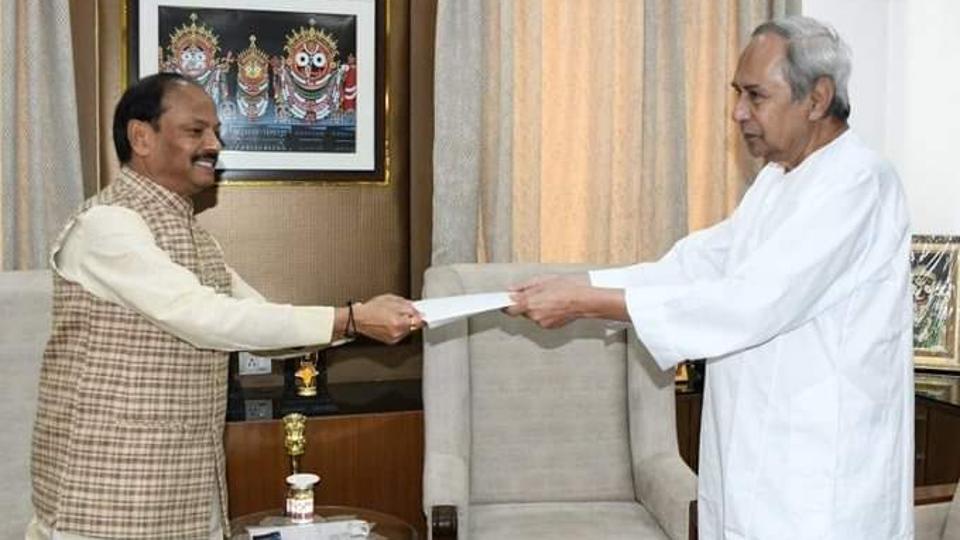
The 77-year-old veteran Odia leader, who has been continuously winning since 2000, reached the Raj Bhavan in the morning to submit his resignation. He was, notably, not accompanied by his trusted lieutenant VK Pandian, who is said to be the key reason behind the 27-year-old regional party’s poll debacle.
BJD won 51 seats in the 147-member state Assembly, its worst ever performance, as it was routed by the BJP. Keeping ‘Odia Asmita’ (Odia pride) as its main poll plank, the BJP won 78 seats in the Vidhan Sabha, and 20 of the 21 Lok Sabha seats.
From a one-time dilettante who teamed up with erstwhile royal Martand Singh to start Psychedelhi, an art boutique in the 1960s, to being the five-time chief minister of Odisha, Patnaik was on course to become the longest serving chief minister of any Indian state later this year till the BJP disturbed his applecart.
When Biju Patnaik died in 1997, the mantle passed on to his youngest son Naveen as followers of Biju searched for a successor. With help from the BJP, the BJD was created to cash-in on the sympathy wave following Biju Patnaik’s demise. Though he spoke Odia haltingly, it never became a stumbling block in his popularity.
Once he won his first assembly polls in 2000, Naveen Patnaik never looked back. When the Atal Bihari Vajpayee government failed at the hustings in 2004, Patnaik reaped the harvest of a Vajpayee wave in Odisha, winning the assembly polls in alliance with BJP.
However, he ditched the BJP in 2009, alleging communal politics in the wake of the Hindu-Christian riots in Kandhamal district. In 2014, he bucked a nationwide Modi wave to win a record 117 of the 147 seats in the state assembly polls and 20 seats in the Lok Sabha.
In 2019 too, he faced a resurgent BJP led by an aggressive Modi-Shah duo. Patnaik went around the state addressing over 150 meetings and started a ₹10,000 per year cash transfer scheme for over 5.7 million farmers in Odisha.
However, after the 2019 polls, his failing health forced him to remain indoors most of the time and pass on the reins to his trusted lieutenant VK Pandian, a Tamil Nadu-born IAS officer who worked as his private secretary for a dozen years till October 2023. With Pandian controlling the party with a vice-like grip, the rank and file slowly withered and finally disintegrated as BJP launched the ‘Odia Asmita’ campaign.