
 E-Paper



Pune-based NCL reported mutations in Omicron variant in November last year
Through drain samples, the lab is helping the civic body identify the areas reporting an early surge of Omicron cases which can further help plan isolation and containment zones

 Prefer HTon Google


PUNE The city-based National Chemical Laboratories (NCL) which has been studying the sewage and drainage outlets for SARS-CoV-2 samples for detection and genome sequencing had reported the first mutation in Omicron variant from a sample collected back in November last year from its own sewage treatment plant (STP).
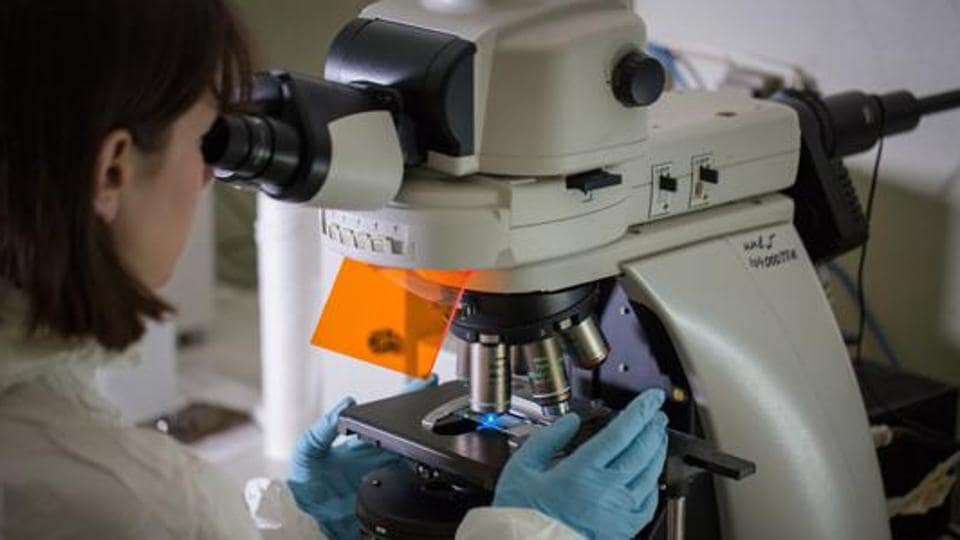
Through drain samples, the lab is helping the civic body identify the areas reporting an early surge of Omicron cases which can further help plan isolation and containment zones.
Studying samples through the wastewater as the virus shreds off the body’s system through excretion and then through the drainage and sewage can be earlier detection of the samples as most RT-PCR samples are tested only after symptoms are reported or after close contacts.
Dr Ashish Lele, director at the NCL said, “The studying of wastewater in the population helps understand various viruses which could be circulating in the community and fact can also help understand diseases like polio which are assumed to be eradicated. It helps in earlier detection as the virus could begin shedding off even before the person starts showing symptoms and so it helps in early detection. However, it also depends on multiple factors like floating population, migration and others.”
The NCL has reported the first mutation in the Omicron strain based on a sample from its own Sewage Treatment Plant (STP) at the NCL-Phytorid plant which had a high viral load when the sample was collected on November 22, 2021. The sample shows one mutation in the Omicron variant.
The sample shows Omicron one week before the institute has reported the first Omicron variant case in the swab samples, in the first week of December 2021.
The institute had also reported one-two mutations in the Omicron variant which was specifically reported in the stream at Vitthalwadi stream on samples collected on November 26, Bopodi stream on November 30 and Erandwane stream on December 3 sample.
The institute had also flagged off a spike gene mutation in the Delta variant from the samples collected in between October and December 2021 samples. The institute study has also clearly stated that the viral load in the January samples is much higher than the ones found in October, November or December last year. The STP samples are being studied from 30 canals and drain and also 12 STP’s and each sample is studied about twice a week.
However, clarifying the mutation, Dr Lele said, “Mutations are a natural process and it should not be alarming as the mutations are not of concern. We have found that most of the strain is similar to the ones already published and so only a few minor mutations are noted which is not concerning and needs further study.”
“We are studying the wastewater samples and sending the report to the civic body every week to help them plan for containment or surveillance accordingly,” he said.


