E-Paper



Health Talk | Need for quick vaccine development to save lives
India was among the select countries, which developed an anti-Covid vaccine under 12 months after the start of the pandemic.

 Prefer HTon Google


If a vaccine for SARS-CoV-2 had been developed within 100 days, an estimated 8.3 million deaths could have been averted, suggests a modelling study published in The Lancet Global Health.
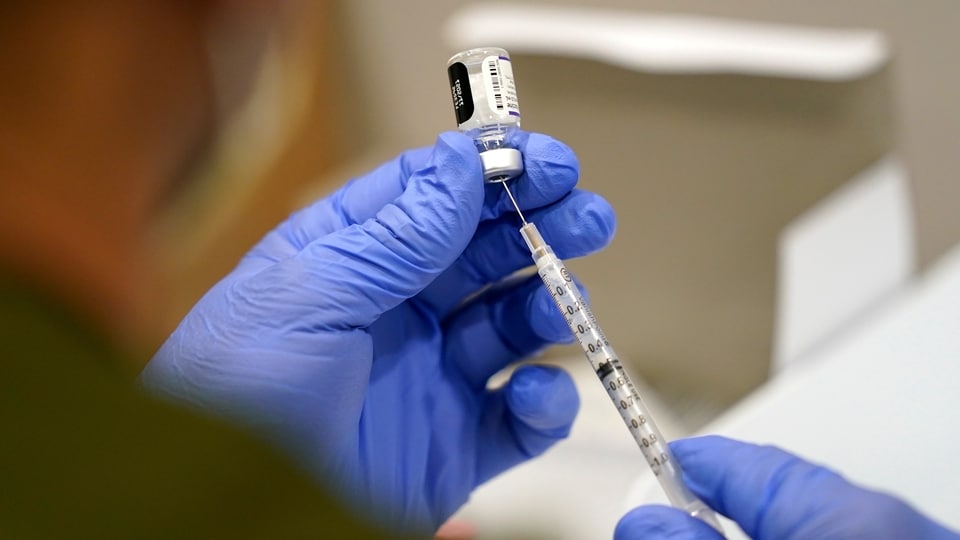
The 100 Days Mission is an initiative by The Coalition for Epidemic Preparedness Innovations (CEPI) to cut vaccine development time for new pathogens to 100 days. The coalition is a global partnership working to accelerate the development of vaccines and other biological countermeasures against epidemic and pandemic threats.
“If the 100 Days Mission had been successfully implemented during the Covid-19 pandemic (and countries had the same public health and social measures to prevent transmission as they did historically), 8.3 million deaths could have been averted globally, mostly in lower-middle income countries,” said researchers who conducted the study. It could have also averted 15.7 million Covid-19 related hospitalisations and saved 4.8 million lives in lower-middle-income countries alone, according to the study.
In monetary terms, 8.3 million lives saved would mean saving as much as $14.3 trillion, which is based on the value of statistical life years. The modellers also estimated that productivity losses due to illness amounting to almost $1.4 trillion and $63 billion of hospitalisation costs would have been averted globally.
The modellers also looked at an alternative scenario where public health and social measures, such as lockdowns, were lifted earlier due to high vaccine coverage and found the 100 Days Mission could have reduced restrictions by 12,600 days globally while still averting 5.8 million deaths.
The authors said their findings highlight the value of the 100 Days Mission and that it shows the necessity for improving vaccine manufacturing and health systems to prepare for future pandemic threats, alongside prioritising a more equitable global vaccine distribution.
In a statement, CEPI’s CEO, Dr Richard Hatchett, highlighted that the findings should supercharge global commitments to the 100 Days Mission.
“This work shows in the starkest terms why the world needs to be prepared to move faster and more equitably when novel pandemic disease threats emerge,” he said. “Investing in preparedness now to make the 100 Days Mission possible for future incipient pandemics will save millions upon millions of lives and protect the global economy against catastrophic losses.”
Hundred days or three months is around a third of the time it took the world to deliver the first safe, effective Covid-19 vaccines after SARS-CoV-2— the virus that causes the disease— began spreading.
India was among the select countries, which developed an anti-Covid vaccine under 12 months of the start of the pandemic. India’s Covid-19 vaccine success story was the reason that the country could run the largest vaccination programme against Covid-19 globally and protect its population in the long run. The need for fast vaccine development, especially during global public health emergencies like the Covid-19 pandemic, is immense, and governments need to prioritise this to minimise loss of lives.
Rhythma Kaul, national editor, health, analyses the impact of the most significant piece of news this week in the health sector