
 E-Paper



National Sunscreen Day: Yay for gels, powders, sticks, no for SPF cocktailing
Here are tips to help you avoid mistakes and use your sun-protectant effectively.

 Prefer HTon Google


Summer is synonymous with sunscreen. There's literally no respite from the harsh rays of the sun and a sunscreen can help combat the harmful effects of those UVA and UVB rays. While there's a more potent sunscreen to address holiday tanning on a beach, did you know you can also tan indoors, making it a must to wear sunscreen inside your home or office, too! From sunscreen gels to sticks, sprays and powders, there are varieties to choose from, each having its own SPF (sun protection factor).

Today, on National Sunscreen Day, lets get under the skin of things to find out how sunscreens work best.

Are you using it right?
You may skip out on blush or your kohl pencil, but don't miss out on daily the sun protection. Underlining the need for it, dermatologist and skin expert, Dr Pallavi Sule says, “It's a must to use a sunscreen all year through, but especially in the hot summer. Wear a broad-spectrum sunscreen with a minimal SPF of 30 and repeat an two-hourly the application of the same. Sunscreen is to be applied over all the sun exposed areas face, ears, neck, lips, hands."
Gels to powders, go for a lightweight product
Most people worry over whether the sunscreen will leave their skin feeling sticky? Go with a lightweight sunscreen that is absorbed easily into the skin."
There are so many kinds sunscreens in the market, today from lotions and gels to powders and fluid sprays.
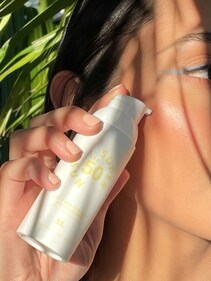
Dr Sule adds, “Choosing sunscreen for the summer depends upon skin type. Always assess that and then choose your sunscreen.” She outlines a few basic rules in that regard and explains, “For dry skin type, one must use a cream-based sunscreen which has a moisturizing agent. As the SPFs go higher, the sunscreens get greasier, which is why sunscreens that are cream-based are used for dry skin type thereby helping to retain the moisture. If you have an oily combination skin, gel based or oil-free sunscreens work well as they help keep the skin pores unclogged. Also, if you are heading outside for a while or plan to swim in an outdoor pool, go with a water-resistant sunscreens that stay on the skin for at least 40 or 80 minutes, depending on its type."
SPF Cocktailing is a no-no
A beauty trend that kicked off on TikTok last year is what dermats are saying a big no to. It's called SPF cocktailing and it had people mixing sunscreen with make-up products such as foundation, liquid blush or concealer in a bid to save application time and to try and avoid or cover up the whitish residue that some sunscreens leave on the skin. But this is not a good practice as it reduces the efficacy of the sunscreen and could also also lead to other skin issues.


