
 E-Paper



2 more confirmed Zika virus cases in Kerala take total to 21
A 24-year-old pregnant woman from Parassala in Thiruvananthapuram district was the first case of Zika virus reported this year in Kerala.


Two more persons tested positive for vector-borne Zika virus in Kerala on Tuesday, taking the total number of infected to 21, said the state health ministry. Both cases were reported from Thiruvananthapuram.
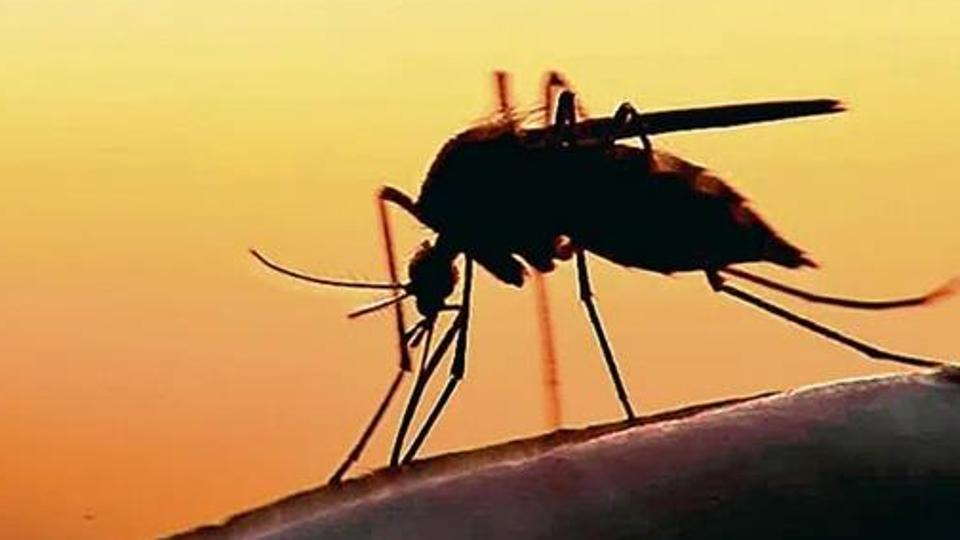
State health minister Veena George has asked people to be vigilant and take part in the ongoing vector-control measures.
“We have already started a campaign to clean water-logging [prone] areas and all will have to chip in to contain it. We will do everything possible to check its spread,” the minister said, adding testing of samples of suspected Zika virus had begun in three medical college hospitals in the state and a special Zika ward had been set up in Thiruvananthapuram medical college. Earlier the state was sending samples to the National Institute of Virology in Pune for testing.
A 24-year-old pregnant woman from Parassala in Thiruvananthapuram district was the first case of Zika virus reported this year. Later, she gave birth and both mother and infant were stable now. In one week, Zika cases went up to 21. Later, the Union health ministry rushed a team of experts. Grappling with the high caseload of Covid-19, the latest Zika outbreak has overstretched the health machinery.
Medical experts said unlike Covid-19, Zika was not a major threat and it could be controlled with effective vector control programmes. The virus spreads mostly through mosquitoes but can also be transmitted through casual sex, however, the fatality rate was very low and only one in five develops symptoms, they said.
The main symptoms of the disease, first identified in monkeys in Uganda in 1947 and among humans in Nigeria in 1954, include joint pain, fever and headache. In May 2015, it was reported in Brazil, where it spread rapidly. The virus can cause a shrunken brain in children and a rare auto-immune disease called Guillain-Barre syndrome, experts said. They add that it was first reported in the country in Gujarat in 2017.


