E-Paper



Assam makes registering Muslim marriages and divorces mandatory under new law
The new legislation replaces the earlier law, the Assam Muslim Marriages and Divorce Registration Act, 1935, which had the provision of registering marriages and divorces through Kazis

 Prefer HTon Google


Guwahati: The Assam assembly on Thursday passed a Bill making registration of all Muslim marriages and divorces in the state mandatory.
The Assam Compulsory Registration of Muslim Marriage and Divorce Bill, 2024, which aims to curb child marriages, will make it mandatory to register all marriages and divorces with government-appointed marriage and divorce registrars.
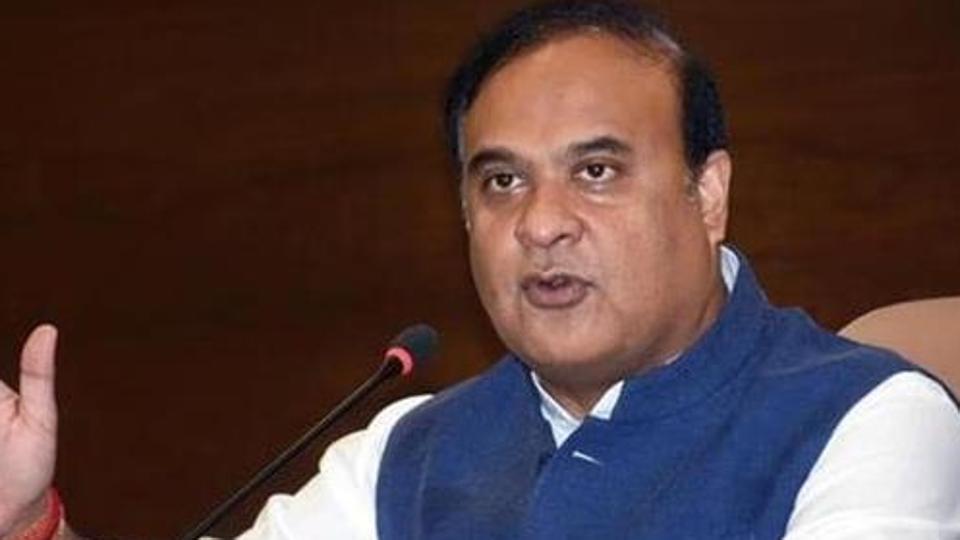
“The new legislation does not interfere in any way in which Muslim marriages and divorces take place. They will be conducted as per existing Muslim laws. But it only makes it compulsory to register such marriages and divorces with the government,” chief minister Himanta Biswa Sarma told the assembly on Thursday.
The new legislation replaces the earlier law, the Assam Muslim Marriages and Divorce Registration Act, 1935, which had the provision of registering marriages and divorces through Kazis (Muslim scholars authorized by state government) but it was not mandatory.
The old law also allowed registration of marriages and divorces of minors if their guardians applied. The old Bill was repealed earlier on Thursday through the Assam Repealing Bill 2024.
“We could have amended the 1935 law, but we wanted to do away with the provision of registering Muslim marriages and divorces through Kazis,” Sarma said.
As per the new law, registration of the marriage should take place within 30 days of the marriage. Couples who are planning to get married as per Muslim personal laws can also get themselves registered through the new law. Similarly, divorces should also get registered within one month.
As per the new law, if anyone is found to produce fake or forged certificates (to register a marriage or divorce) they can be imprisoned for up to two years or imposed a fine of up to Rs.10,000 or both. They would also be tried for forgery under relevant provisions of the Bharatiya Nyaya Sanhita 2023. And if anyone is found registering a marriage in violation of provisions of the new law, they can be imprisoned for up to one year and imposed a fine of up to Rs.50,000.
Earlier, Congress MLA Abdul Rashid Mandal expressed apprehensions on whether the new law will interfere with the provisions of the Muslim Personal Law (Shariat) Application Act 1937, through which Muslim marriages and divorces are conducted in India.
Also Read: Assam to enact new laws on Muslim marriages and protection of heritage sites, tribal lands
All India United Democratic Front (AIUDF) legislator Aminul Islam questioned the technicality of tabling the new Bill . He also suggested that the government could have amended the old law instead of bringing a new one.
“The move of bringing in the new legislation was to remove the role of Kazis in Muslim marriages and divorces. But the role of Kazis is governed by the Kazis Act 1880. It’s an old colonial law. How can a state government stop this provision?” Islam said in assembly.
Sarma said that there is no provision that a new Bill cannot be tabled before repealing an existing one. He also mentioned that the state government can make laws registering marriages and divorces as the issue falls in the concurrent list.