
 E-Paper



Can’t use hate speech to drive TV ratings: Supreme Court
The apex court said that TV channels were using “hate and all such spicy things” to increase their ratings. It sought to know why the government was a “mute spectator”, and noted that it was the duty of a TV anchor to prevent hate speech from being aired.

 Prefer HTon Google


Terming hate speech a “poison” affecting the social fabric of the country, the Supreme Court on Wednesday rued the lack of a legal framework that can serve as a deterrent against such remarks being propagated through television debates, and gave the Centre two months to decide whether it intends to bring a law to make “hate speech” a penal offence.
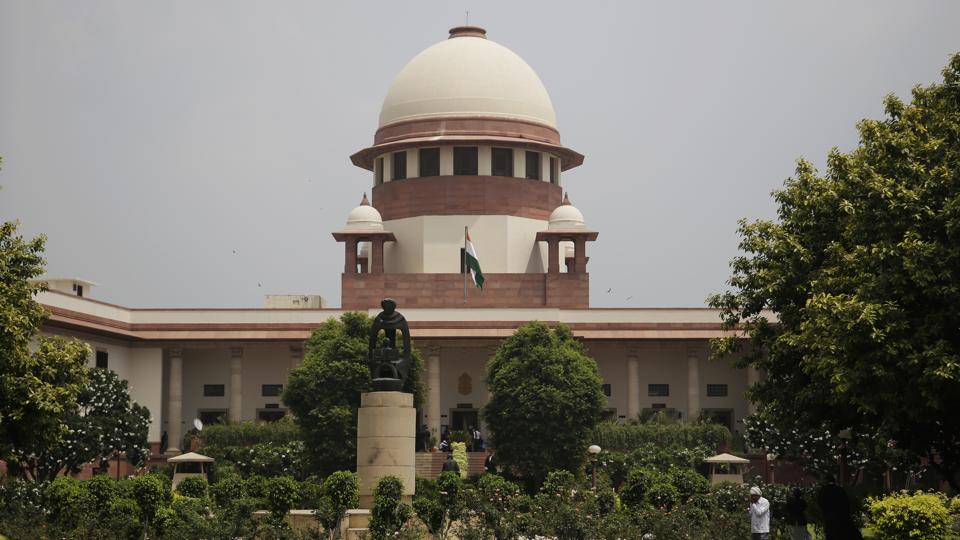
The apex court said that TV channels were using “hate and all such spicy things” to increase their ratings. It sought to know why the government was a “mute spectator”, and noted that it was the duty of a TV anchor to prevent hate speech from being aired.
“Where is our nation headed to if hate speech is what we are feeding on? Hate speech is completely poisoning our social fabric,” observed a bench of justices KM Joseph and Hrishikesh Roy, while hearing a clutch of petitions demanding guidelines to regulate hate speech and targeted attacks on Muslims based on a negative perception presented by the media.
“Unless the consequence of infringement comes high on violators, how will the message go?” the bench observed, while referring to TV debates being part of the problem spewing hatred. “The channels are bringing in hate and all such spicy things to increase TRPs and there is no mechanism to deal with it,” said the bench, adding: “The problem is we do not have a regulatory mechanism with television and they are not being dealt with under a proper legal framework.”
The Supreme Court bench was hearing a batch of 11 petitions that sought directions to regulate hate speech. Among the petitions was one against “UPSC Jihad”, a show aired by Sudarshan News TV. Others included pleas against the “Dharam Sansad” and social media messages communalising the Covid-19 pandemic.
One of the petitioners before the court, Bharatiya Janata Party leader and lawyer Ashwini Kumar Upadhyay made a reference to a March 2017 report by the Law Commission of India proposing amendments to the Indian Penal Code (IPC) to make hate speech a penal offence.
Questioning the silence of the Centre on the issue, the SC bench said: “Why is the government taking it as a trivial issue? This is a matter of great moment. You have to take the lead and file your response.” Posting the matter to November 23, the bench said: “By the next date, the Union of India will clarify its stand with regard to the recommendation of the Law Commission of India on whether it is contemplating any legislation.”
The Law Commission suggested insertion of new provisions – Section 153C (prohibiting incitement to hatred) and Section 505A (causing fear, alarm, or provocation of violence in certain cases) in the IPC. Due to lack of any definition on hate speech, Upadhyay told the court, cases are being booked under Section 153A (promoting enmity), Section 295A (deliberate acts intended to outrage religious feelings) and Section 298 (uttering words to wound religious feelings of a person), which are different in nature and violators get off the hook.
“Why is the government standing as a mute witness when all this is happening?” remarked the bench. It told the Centre: “Governments and political parties will come and go. Ultimately, the nation will endure and institutions, including the press, will have to go forward.”
Another petitioner, Qurban Ali, represented by advocate Nizam Pasha, informed the bench that his petition related to the “Dharam Sansad” held at Haridwar last December and similar events held in other parts of the country, which took place despite the court asking the authorities to take preventive steps. Justice Joseph observed: “I do not think any religion preaches violence. A panacea to this problem is that punishment becomes such that it serves as a model for all times.”
Additional solicitor general (ASG) KM Nataraj appeared for the Centre and informed the court that in July, the court directed the Union home ministry to collate information from all states on action taken against instances of hate speech. So far, only 14 states have responded, he added. The bench asked the Centre to file its response based on the 14 replies received.
Advocate Nisha Bhambhani, who appeared for the National Broadcasting Standards Authority (NBSA), informed the court that TV channels violating the Programme Code are served notices and made to pay penalties. Finding such action too little, the bench remarked: “This chicken feed kind of penalty will not even get a little tear to their pockets.”
“Mainstream channels still hold sway and the role of the anchor becomes critical. When they see that a person is going to make hate speech, the anchor must stop them. Definitely, media must have freedom of expression but we should know where to draw the line,” the judges said. “Any anchor will have their own views. But what is wrong is that people with different views are not allowed to express their views.”
The top court contemplated that till the time the government brings a law, it could pass directions on the lines of the Vishaka judgment, where the court laid down guidelines on sexual harassment at workplace in the year 1997, which held the field till a law was brought by Parliament in 2013. The court asked the Centre not to treat this matter in an adversarial manner but with a view to put in place a working institutional mechanism to deal with the above situation.
Senior advocate Rakesh Dwivedi said, “The effort by the Court is in the right direction. If this succeeds to some extent in lowering the pitch of television debates and social media narratives, it is worth the try.” At the same time, he said, “Responsibility rests on people and political parties to ensure such voices are not given the attention they desire.”


