
 E-Paper



IAF to get capability boost with new locally-made radar ‘Ashwini’
The ‘Ashwini’ radar is capable of tracking high-speed fighter aircraft to slow moving targets such as unmanned aerial vehicles and helicopters


NEW DELHI: The defence ministry on Wednesday signed a ₹2,906-crore contract with Bharat Electronics Limited (BEL) to equip the Indian Air Force with the locally made ‘Ashwini’ low-level transportable radar to detect and track aerial targets, in a boost for the country’s self-reliance drive.
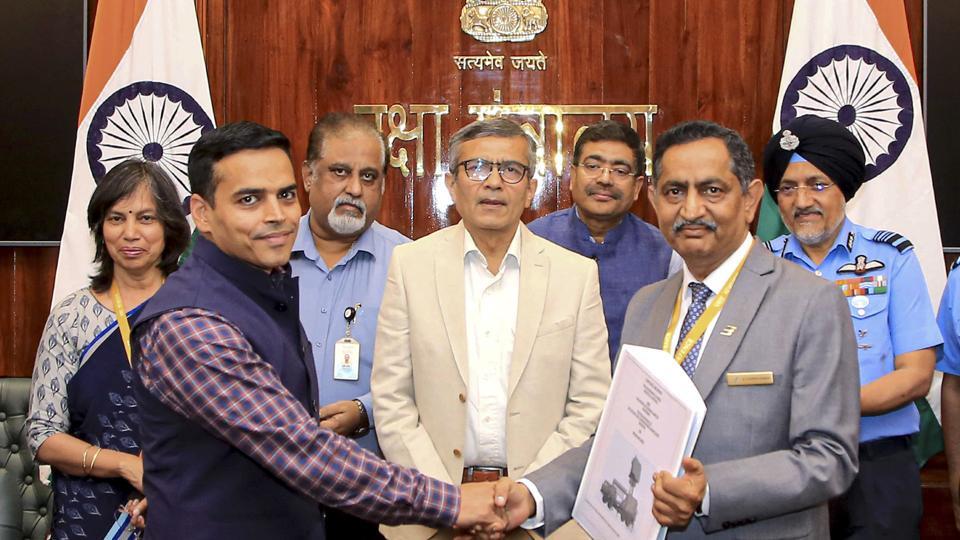
“The radar is capable of tracking aerial targets, ranging from high-speed fighter aircraft to slow moving targets such as unmanned aerial vehicles and helicopters. Its acquisition will significantly enhance the operational preparedness of the IAF,” the ministry said.
The radar has been indigenously designed and developed by Bengaluru-based Electronics and Radar Development Establishment, a unit of the Defence Research and Development Organisation (DRDO). This is the first order for the radar.
The contract was signed in the presence of defence secretary Rajesh Kumar Singh, who recently presented the report of the empowered committee for capability enhancement of the IAF to defence minister Rajnath Singh.
The radar programme is a major step towards achieving self-reliance in defence manufacturing by reducing dependency on foreign suppliers and will act as a catalyst for the development of local defence industrial ecosystem, the ministry said in a statement.
India’s weapon imports fell 9.3% between 2015–19 and 2020–24, the Stockholm International Peace Research Institute (Sipri) said in a report published on Monday. The country, however, is still the world’s second largest arms importer behind Ukraine which is at war with Russia.
The drop in India’s arms imports comes at a time the country has recorded the highest ever growth in the value of local defence production in the financial year 2024-25 on the back of enabling policy measures, with the figure crossing ₹1.27 lakh crore mark and poised to exceed ₹1.6 lakh crore in 2025-26.
India has taken several measures to boost self-reliance during recent years. These include imposing phased import bans on different types of weapons and systems, creating a separate budget for buying locally-made military hardware, increasing foreign direct investment (FDI) from 49% to 74% and improving ease of doing business.


