
 E-Paper



Screen grab: Why silent-video catch-ups are the best phone call of all

 Prefer HTon Google



Why video-call your friend just to watch them work or study all evening? Over WiFi, this low-effort connection is now possible, cheap and strangely welcome
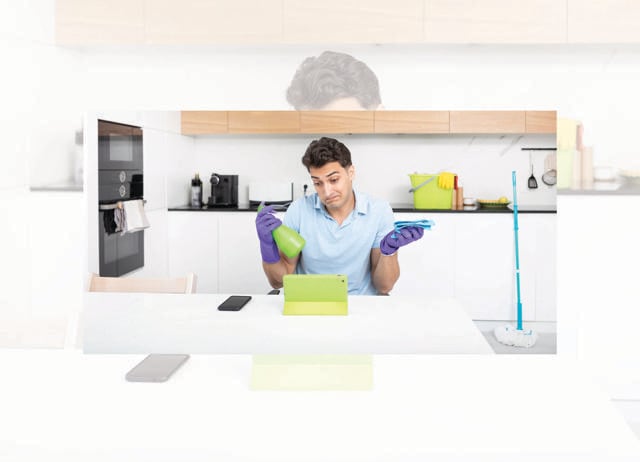
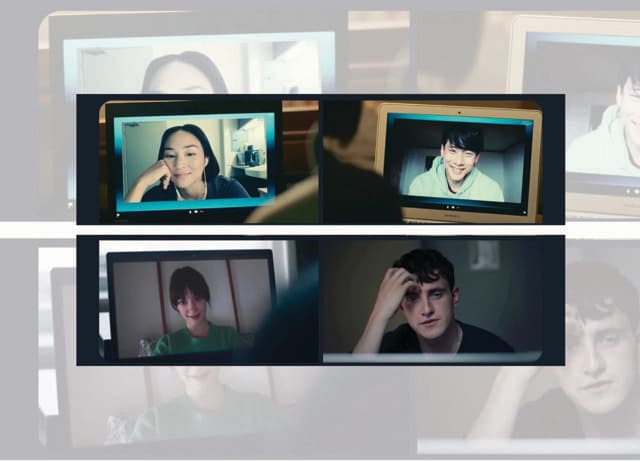
Who knew, when WhatsApp launched video-calling in 2016, that we’d end up calling a loved one, but not really chatting, just leaving the screen on for hours – often the whole evening – while we simply completed chores, got office work done, or just chilled with silent, distant company?
Think of it as low-stakes socialising. No one wants the run-down of your day or what you’re having for dinner. No one wants you to look at the screen too often either. It’s just being there for someone you care about, another way to tackle urban loneliness with tech.
Dial it down
Everyone’s playing with the idea differently. Bhavya Gehlot, 26, a researcher in the US, met marketing executive Jaay Rathod, 28, at the Coldplay concert in Mumbai in 2024. It kicked off a long-distance relationship, one that started off with structured calls and conversation, and excited chats. “But the 12-hour time difference meant that my morning routine in California overlapped with his night routine in India,” Gehlot says. “We didn’t always have much to share, but we didn’t want to lose touch. So, we stuck to video calls as we went about doing our own thing.” The calls lasted 20 minutes to an hour, but the silences were anything but awkward. “Sometimes, one of us is doing a task while the other just quietly sits there on the screen. We’re simply sharing the same virtual space.”
It’s really what you’d be doing with an old friend or a family member if you were both in the same room, anyway. And it’s a step up from how we’ve typically used tech. Ask Boomers what placing an inter-city or international call felt like before the Internet era: Ears pressed against the landline, voices from far away coming through in sketchy patches, billing by the minute, no time for quiet interludes. Now, even a basic WiFi connection ensures a seamless experience on a Zoom and WhatsApp video call without fuss, at no extra charge.
Gehlot says it allows people to “simply exist together” and takes away the pressure of constantly having something meaningful to say, or look at. “It helps a relationship feel more grounded and real, even though we’re thousands of miles apart.” When Rathod moved into a new apartment recently, she was on a call with him as he set up his room. But she was scrolling through her phone or journaling for much of the time.
Worldwide, silent catchups involve mundane tasks such as brushing one’s teeth, sinking into a skincare routine, preparing a meal, household chores and driving. Shifting focus from ‘doing’ to ‘being’ fosters a different kind of intimacy. Your friend or parent on the screen might only chime in with a suggestion when you’re picking your outfit for the day; or comment occasionally as you watch a sports match. Japanese and Korean cafes are filled with solo patrons, huddled over a cappuccino or ramen bowl, with an iPad or phone propped up on a stand. But no one’s chatting – the face on the other end is immersed in a world of their own – the two lives intersecting only to acknowledge each other’s comforting existence.
Extension cords
Like so much else, the idea took off in the pandemic, when housebound folks needed company and everyday proof of life. “At that time, it’s because we craved social connection; now, it is more about being part of someone’s life,” says psychotherapist Dr Anjali Chhabria.
Three years ago, when Mumbai-based businessman Arya, 27, moved to Italy to study Masters in Product Design, he found it hard to stay in touch with his 26-year-old girlfriend (who chose not to be named), back home. “I was in an intense programme, and she was pursuing a law degree, which is also stressful. There is a limit to how much playing a game, solving a puzzling or watching a movie together one can do virtually. I would feel guilty when I didn’t have much to say,” he says. Their silent catch-ups, which would go on anything between 45 minutes to a few hours, filled the time between assignments. “It felt like she was around me,” says Arya.

He returned a year ago. But the ritual continues in person. “Many times, at the end of the day, we sit together, doing our separate things – planning weekly tasks, paying bills or journalling. It’s wholesome,” says Arya.
Most people who log in to these low-effort connections say they’ve been enriched by the experience. In 2018, when Rachel Teo, 34, moved from Singapore to Japan to teach, doing a virtual dinner date with a friend back home took the sting out of the isolation. “We’d end up lingering longer, each doing our own thing. Over time, this catch-up became a weekly commitment both looked forward to,” Teo says.
She says her social battery runs out early – so no-expectation calls fit right into her life. They’ve helped her bond with her boyfriend (now husband) when they didn’t have time to meet early in their courtship. They’ve also been an unexpected productivity tool. Teo often gets on a video call with a friend in Japan and another in India, shares the task for the day and works with the camera on. “It helps us stay on track and keeps overthinking in check,” she says. “It is like having co-workers in your virtual office.”
According to Chhabria, “When people work together, it is a sense of accountability. We live in a time when being busy and separated by time differences can hinder a relationship. Silent companionship cannot replace active communication. But it can balance expectations of both parties, without feeling like it is a stretch.”
Or as Teo puts it: “It’s like having a cat sit next to you.”
From HT Brunch, May 2, 2026
Follow us on www.instagram.com/htbrunch


