The leader of the main opposition Democratic party, Elly Schlein, called it “a clear message to Giorgia Meloni and this government.”
Updated on: Mar 24, 2026, 10:56:09 IST
The Economist
Prefer HTon Google
Share via
Copy link
THE RISK of riding high is that you have farther to fall. Italy’s prime minister, Giorgia Meloni, had acquired an aura of invincibility since her right-wing coalition took office after an election in September 2022. Her government is the third longest-serving in Italy since the second world war and, polls suggest, her Brothers of Italy party is more popular than it was then.
"The Italians have decided. And we respect this decision," Meloni wrote on X. (AFP)
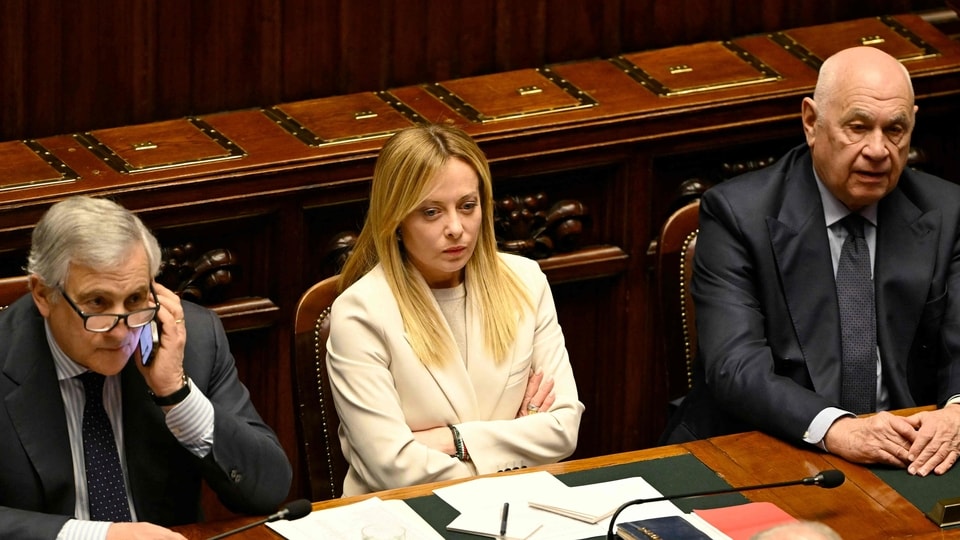
But by March 23rd Italy’s voters dimmed the glow around Ms Meloni in a referendum that was ostensibly about changes to the judicial system but which the opposition successfully transformed into a vote of confidence in her leadership. The two-day vote went against her by 54% to 46%. The leader of the main opposition Democratic party, Elly Schlein, called it “a clear message to Giorgia Meloni and this government.”
Had the turnout been low, this might not have mattered so much. Instead, it was remarkably high, at 59%, just five percentage points shy of the level achieved in the 2022 election. Nor would it have counted so much had it been a vote on several reforms. In fact it was on something narrow. One reason for the stability of Ms Meloni’s government has been its reluctance to confront vested interests by proposing radical change. So a proposal for relatively minor and arcane adjustments to the administration of justice became the flagship of the entire legislative programme. It certainly didn’t help that the government rammed it through parliament without negotiating or consulting with the opposition.
The judicial-reform bill would have completed the split in a career structure that includes both judges and prosecutors, and introduced random selection for members of the bodies governing each profession. But that meant changing the constitution, which is why it had to be put to a referendum.
Few predicted such a decisive outcome. Erik Jones, director of the Robert Schuman Centre at the European University Institute in Florence, noted a difference between the result—an emphatic “no”—and the expectation of many of the polls for a closer outcome. “Something happened…Italians have an almost religious devotion to their 1948 constitution. And perhaps opposition parties broke through with their argument that this was no way to amend it,” he says.
There are other possibilities. The final fortnight of campaigning saw a scandal over a junior justice minister who was involved in a mysterious deal with the teenage daughter of a man jailed for helping organised crime. It also saw Donald Trump’s war on Iran. Ms Meloni is among those European right-wing populists who are personally close to an unpopular American president. That hardly helped her cause.
The high turnout hinted at more widespread dissatisfaction with her government. The rejected bill did nothing to address the real problems of Italy’s courts, which is that they are very slow—by some measures, the slowest in the EU. And it was arguably a distraction from issues of greater importance, notably an economy that is barely growing despite having been showered with cash from the EU’s post-pandemic recovery funds.
What next? Ms Meloni had planned to capitalise on a referendum victory by changing the electoral law so as to give future winning coalitions greater weight in parliament. Italy’s next election must be held next year. After this week’s setback, the government will have to weigh the risk that changing the electoral rules may hand enhanced power not to itself but to its opponents.
The outcome also raises a big question over another proposed constitutional amendment that would enhance the authority of the prime minister while curbing that of Italy’s president. That too would need to be put to voters. Ms Meloni may want to get the next election out of the way first.
Get the latest World News, breaking headlines and global updates from the US, UK, Pakistan, Bangladesh, Russia and other countries. Follow major international events on Hindustan Times.
Home/World News/Giorgia Meloni’s Big Electoral Setback In Italy

 E-Paper





 Prefer HTon Google