
 E-Paper



King Charles 'slams' palace door on Prince Harry - 'Appointment only' access!
King Charles expresses discontent with Prince Harry in a subtle yet firm manner.

 Prefer HTon Google


In the wake of ongoing rumours regarding a strained relationship within the Royal Family, King Charles has chosen a subtle yet firm approach to express his discontentment with his son, Prince Harry.
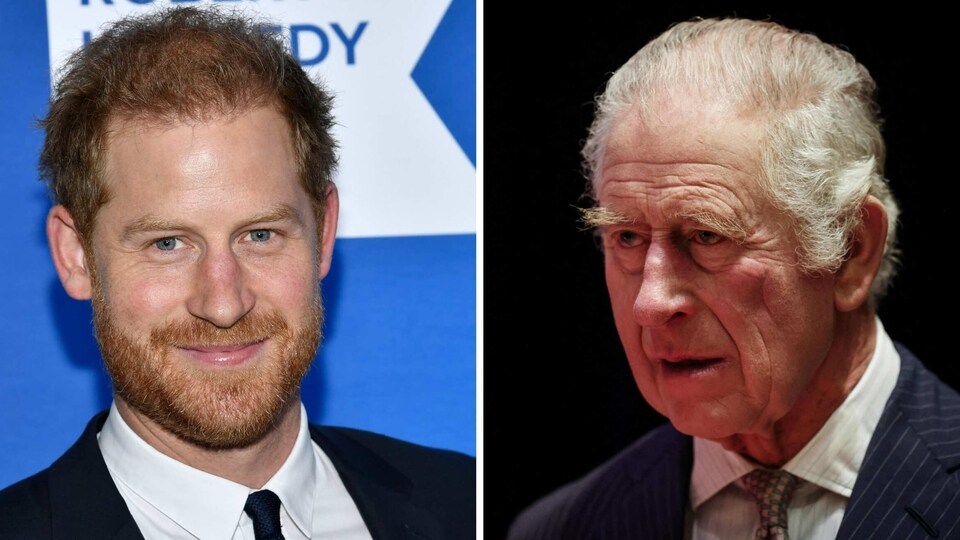
Speculation about a growing rift between Prince Harry and the Royal Family has been circulating since he and Meghan Markle stepped back from their royal duties in 2020. The tension escalated after the couple’s candid interview with Oprah Winfrey, where they voiced their concerns about the lack of support from the Palace and criticized how they were portrayed in the media.
Royal author Duncan Larcombe sheds light on King Charles' stance, stating, "It appears that King Charles’ approach towards Harry now is business as usual - ‘if you want to see me, you need to make an appointment’. Harry will have to get past the grey suits and jump through hoops to talk to his father. It's very standoffish but I think that's a way that the king is subtly punishing his son."
Larcombe suggests that King Charles is particularly dismayed by the representation of his wife, Queen Camilla, in Harry's memoir, Spare. Despite this, King Charles is not closing the door on reconciliation. He seems to be keeping "channels of communication open," indicating a willingness to resolve the conflict, albeit on his terms.
More on the royal family:
New royal family feud? King Charles 'very jealous' of Prince William, Kate
Prince Harry reveals Prince William treated Meghan Markle like a ‘convicted felon’ in his memoir
William, Kate, Meghan & Harry's feud will ‘never be healed’, experts say
The Royal Family, known for its stoic approach encapsulated in the motto "never complain, never explain," has chosen not to comment on the claims made in Prince Harry’s memoir, emphasizing their commitment to this age-old adage.
While tensions persist, King Charles' measured response signifies a delicate balance between expressing his displeasure and leaving the room for potential reconciliation.


