
 E-Paper



Sri Lanka sees cabinet's mass resignations as unrest, crisis heighten: 10 points
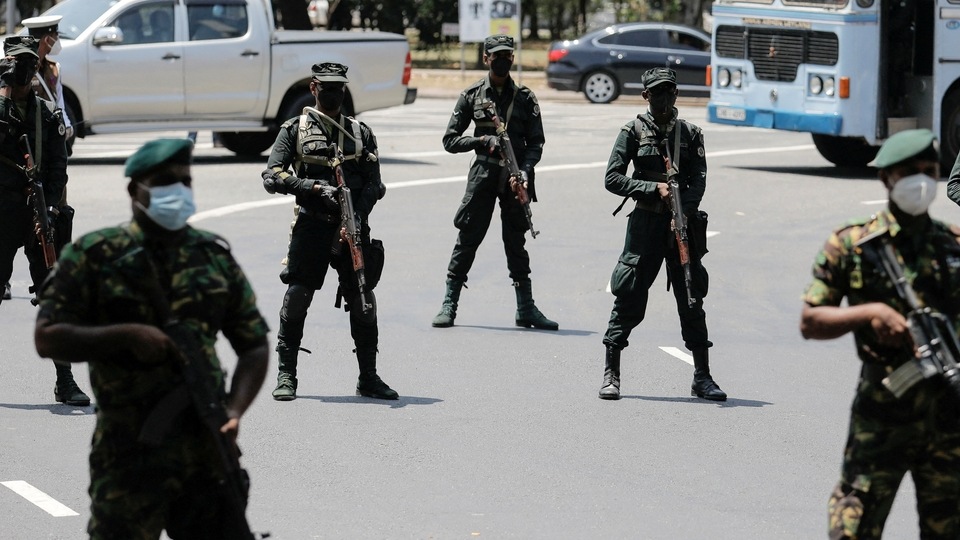
Sri Lanka protests: Demonstrations outside president Gotabaya Rajapaksa's house, imposition of the emergency rule, and a 36-hour nationwide curfew were the defining moments of last week.

 Prefer HTon Google


Sri Lanka's economic crisis has heightened into a political crisis after all 26 ministers of the cabinet quit en masse on Sunday night as the South Asian nation sees growing public anger. It's not yet clear if prime minister Mahinda Rajapaksa will accept the resignations. Demonstrations outside president Gotabaya Rajapaksa's house, imposition of the emergency rule, and a 36-hour nationwide curfew were the defining moments of last week. The en masse resignations clear the way for the prime minister to appoint a new cabinet. On Sunday, the country saw protests by opposition leaders too. The Sri Lanka cabinet quit just hours after another South Asian country - Pakistan - saw heightened political developments with Imran Khan calling for fresh elections as a no confidence motion against him was rejected.
Here are ten points on the Sri Lanka crisis:
1. “We gave resignations to the prime minister saying we are willing to leave at any time. “After discussing with the president, the steps to be taken will be decided," education minister Dinesh Gunawardena was quoted as saying in late-night reports.
2. Sri Lanka PM's son, Namal Rajapaksa, is among those who have quit. "I have informed the sec. to the President of my resignation from all portfolios with immediate effect, in hope that it may assist HE & PMs decision to establish stability for the people & the govt of #LKA. I remain committed to my voters, my party & the people of #Hambanthota. (sic)," he said in a tweet.
3. On Sunday, Namal Rajapaksa had urged his country's authorities to "think progressively" after a countrywide social media ban. "I will never condone the blocking of social media. The availability of VPN, just like I’m using now, makes such bans completely useless. I urge the authorities to think more progressively and reconsider this decision. (sic)," his post on Twitter read.
4. The social media ban was one of the many restrictions the country saw in an attempt to quell demonstrations against the government. The access to Facebook, Twitter, YouTube and other social media sites was restricted on Saturday night. Fifteen hours later, the access to the platforms was restored.
5. The action by ministers come as people face 13-hour blackouts, shortage of fuel and other essentials amid foreign exchange shortage.
6. Sri Lanka has been devaluating its currency since March while it seeks loans from other nations, trying to put the national economy back on track.
7. In unprecedented visuals, thousands gathered outside the president's home on Thursday, calling for his resignation.
8. The next day, Rajpaksa declared a public emergency, giving him wide powers to preserve public order, suppress mutiny, riot or civil disturbances or for the maintenance of essential supplies.
9. Last week, US ambassador to Sri Lanka, Julie Chung, said “Sri Lankans have a right to protest peacefully — essential for democratic expression.” “I am watching the situation closely and hope the coming days bring restraint from all sides, as well as much needed economic stability and relief for those suffering,” she said in a tweet on Saturday.
10. The president last month had said his government was in talks with the International Monetary Fund and turned to China and India for loans while he appealed to people to limit the use of fuel and electricity and “extend their support to the country.”
(With inputs from AFP, AP)


