
 E-Paper



World's earliest evidence of a successful surgery, from a 31,000-year-old grave
World's Earliest Successful Surgery: The skeleton was found in the caves of East Kalimantan, Borneo that date back to 40,000 years ago and were first discovered in 2018.

 Prefer HTon Google


A 31,000-year-old skeleton - of a young adult- from Borneo in Indonesia underwent the world's first successful surgery. Findings published in the journal Nature said that the skeleton is 31,000 years old, pre-dating the previous oldest known evidence for amputation surgery by a staggering 24,000 years.
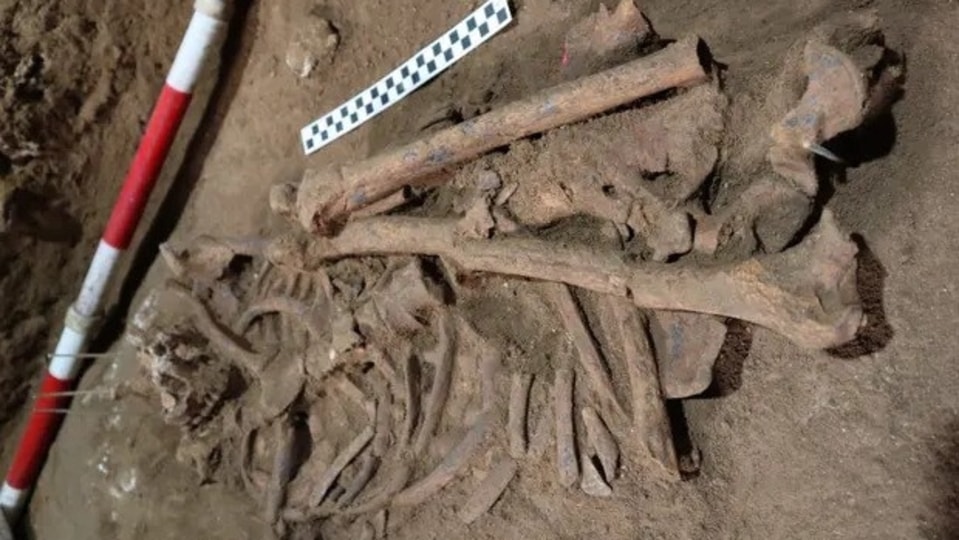
The skeleton was found in the caves of East Kalimantan, Borneo that date back to 40,000 years ago and were first discovered in 2018. With the help of locals, archaeologists from Griffith University, University of Western Australia, and Indonesian institutions of archaeology and conservation searched remote caves in the dense rainforest.
Read Hindustan Times' World Coverage here
In one of the caves- Liang Tebo cave- the scientists uncovered a complete human burial. Multiple dating techniques confirmed that the burial had taken place 31,000 years ago which could make the burial Southeast Asia’s oldest known grave.
Closely analyzing leg bones of the remains, the world's earliest successful surgery was found. Skeletal analyses confirmed that the lower left limb had been surgically amputated and the healed bone confirmed the injury.
Researchers said that it can be said that the surgeons were able to prevent any form of infection after the surgery owing to which the person survived adulthood.
The new finding is a valuable addition to a growing body of evidence that the first modern human groups had medical knowledge and skills.


