
 E-Paper



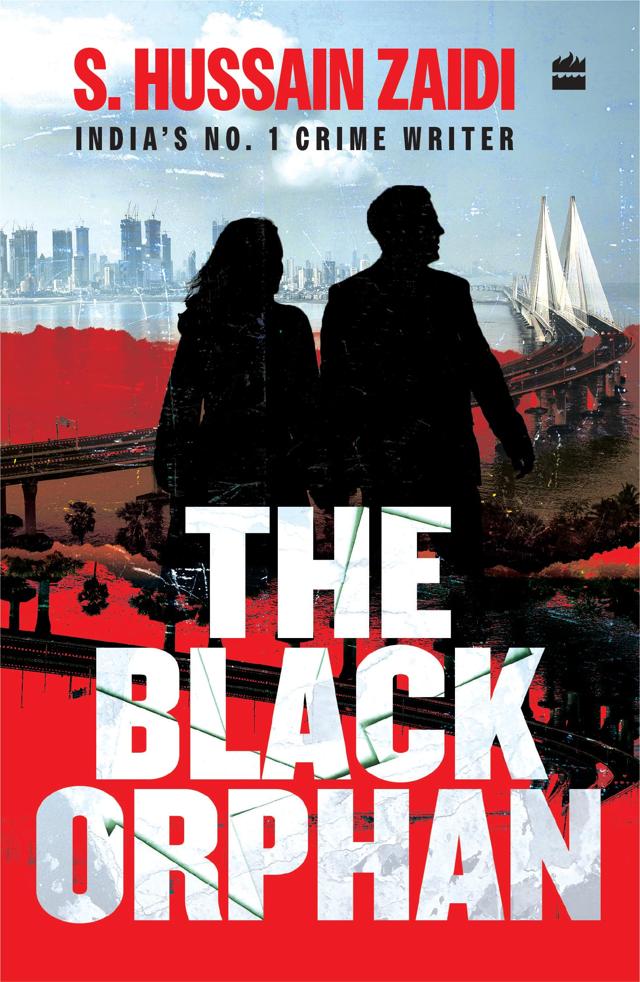
Review: The Black Orphan by S Hussain Zaidi
A riveting tale of love, terror and revenge featuring a super cop and a human rights lawyer, this thriller is a tribute to Indian spies

 Prefer HTon Google


When DIG Ajay Rajvardhan of the National Investigation Agency (NIA) sees an attractive young human rights lawyer, Asiya Khan, in court, he is smitten. Khan is vociferously defending a woman the NIA has arrested on charges of terrorism. Khan argues her case intelligently and the woman is granted bail.
DIG Rajvardhan cannot stop thinking about Khan even though they are on opposite sides. The two strike a deal of sorts – Khan demanding the release of innocent Muslim men and women who have been arrested under terrorism charges and DIG Rajvardhan seeking her help to get to the guilty ones. Thus begins their long personal and professional association. Khan passionately emphasises the innocence of her clients and DIG Rajvardhan insists that he is yet to come across a person charged with terrorism, who was innocent and was surrounded by innocents. “That just doesn’t happen,” he tells her.
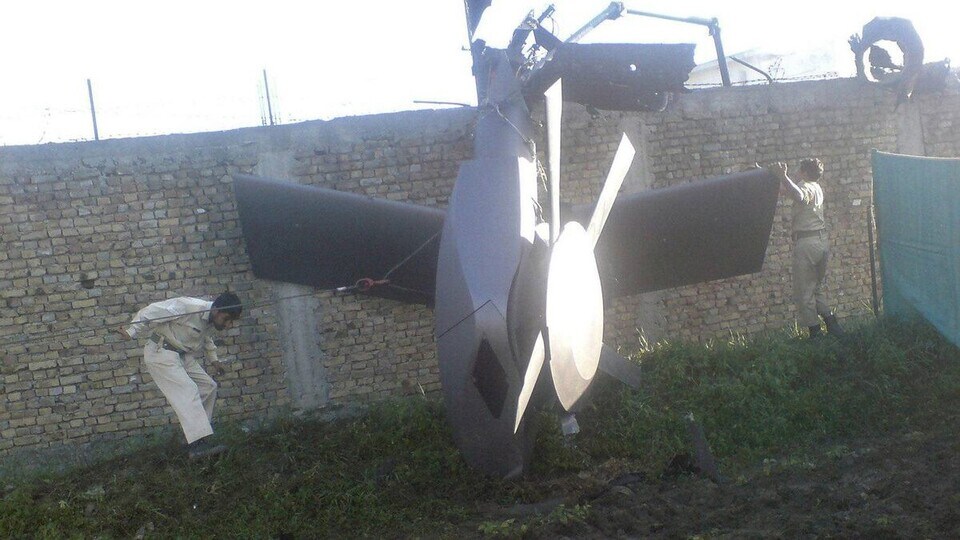
DIG Rajvardhan is introduced as a bold and daring supercop, who was instrumental in helping kill the world’s most notorious terrorist Osama bin Laden in Abbottabad in May 2010. Author S Hussain Zaidi grudges the fact that the US Navy SEAL team took the entire credit for Operation Neptune Spear even though Indian spies allegedly backed them up with intelligence inputs.
Therefore, in The Black Orphan, Zaidi puts the spotlight on DIG Rajvardhan, and his colleagues whose contributions in important missions go unappreciated and unacknowledged. This thriller is a sort of a tribute to Indian spies who are almost always overshadowed by the CIA. Towards the end of the book, Zaidi even includes a conversation about the hard work of spies being disregarded.
DIG Rajvardhan is that brilliant spy, who can give the CIA a run for their money, and Zaidi cleverly situates him in the world’s most talked-about operation. He was the one who collected the DNA samples of children living in Osama bin Laden’s compound in Abbottabad, and was tasked with confirming the most-wanted terrorist’s identity. On the pretext of vaccinating children of the bin Laden household, DIG Rajvardhan had accompanied the Pakistani doctor in the guise of a compounder.
After playing a crucial role in the elimination of the world’s most dreaded terrorist, and uncaring about his efforts going unrecognised, DIG Rajvardhan gets busy with those who are bent on avenging bin Laden’s death: “…India would not remain unaffected from the seismic activity emanating from the epicentre of terror,” he tells himself.
Within days, his attention is drawn to the “suicide” of India’s top nuclear scientist. While the police see it as an open-and-shut case, DIG Rajvardhan’s hunch is that the country’s nuclear scientists are being targeted by a terror outfit. CCTV footage outside the scientist’s home shows seven or eight burqa-clad women walking up and down the street. As he is trying to crack this case, an Israeli spy friend tips him off: “You should be on the lookout for a group of women who are bent on creating anarchy in India.”
He chases this lead and learns that the burqa brigade is trying to steal nuclear secrets and wants to build a prototype. “…the weapon will be built across the border. Then it will be disassembled and smuggled into the hands of a guerrilla group who will fire the weapon into the heart of Mumbai,” Zaidi writes.
During their three-month training, the burqa-clad women, belonging to the “K-e-M” outfit, have been taught to assemble and defuse bombs, and use other tools of close combat. Besides, they have also mastered “the art of seduction”. Within no time, this sinister sisterhood, operating from the bylanes of Mumbai, unleash death and destruction on the metropolis. They place a bomb – whose impact would have been equivalent to the 13 explosions of the Black Friday bombings of March 1993. DIG Rajvardhan detects it in the nick of time and successfully detonates it.
Khan, who witnesses this nerve-wracking moment, runs towards DIG Rajvardhan and hugs and kisses him taking their relationship to the next level. And DIG Rajvardhan makes up his mind “that he wanted to spend the rest of his life with this woman,” writes Zaidi.
From thereon DIG Rajvardhan’s mission is to keep his city and the love of his life – safe. However, this isn’t an easy feat for even this supercop as he wades through a web of lies and deceit.
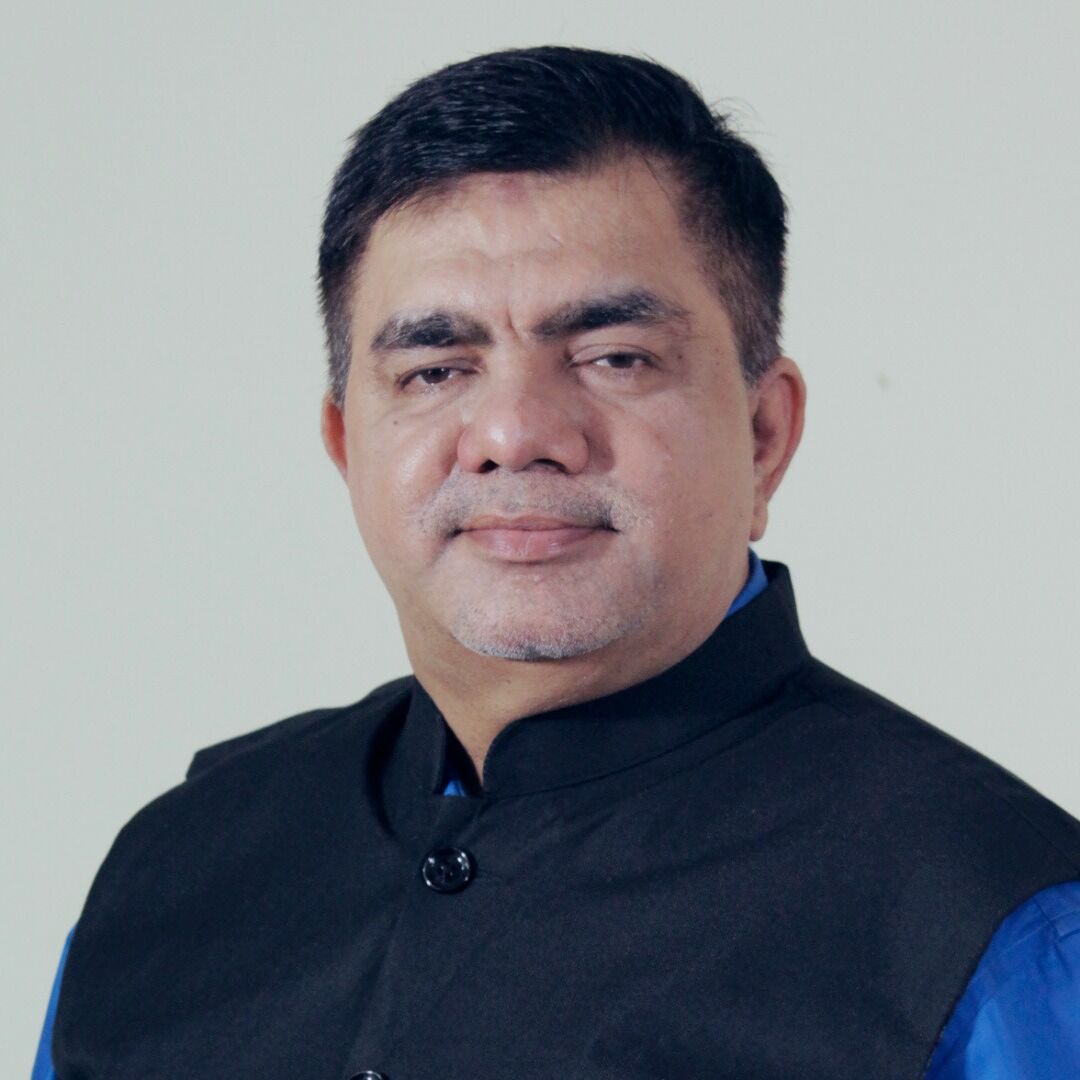
In his introductory note to the book, Zaidi writes that the biggest source of inspiration for his fictional works are – facts – and this riveting tale of terror and revenge is indeed largely inspired by true events. Zaidi is a master at retelling facts that go “unexplored or unacknowledged” and he finds comfort in the knowledge that these will be preserved for posterity in his fictional world. “The Black Orphan” is a fine example of him treading this fine line between fact and fiction.
Catching the burqa-clad women isn’t an easy mission for DIG Rajvardhan and time is not on his side. He has to act fast to stall their plans. His associates Deputy Commissioner Sagar Pratap and Commissioner Neeraj Kumar back him up, even as Zaidi gently touches upon the Central agencies vs state police rivalry.
The suspense that Zaidi builds up is killing, and this is one of those books that has to be read in a single sitting. What I found problematic, though, were the prolonged fight sequences with terrorists – almost as if the book is a film that requires the three-hour slot to be filled somehow.
Zaidi, a former crime journalist, knows Mumbai’s underworld very well. And thanks to the good rapport that he still maintains with his official sources – the operations seem very real, with a good dose of the latest tech and elements of IA thrown in. This reader was particularly impressed with the gait analysis technology which eventually helps DIG Rajvardhan bust the case.
A riveting tale of love, terror and revenge, The Black Orphan should be high up on the reading list of crime-fiction lovers.
Lamat R Hasan is an independent journalist. She lives in New Delhi.


