
 E-Paper



Covid-19: Unemployment falls further in Australia as recovery intensifies
Australia is experiencing a V-shaped recovery as the relative containment of Covid-19 boosts confidence and encourages cashed-up households to spend.

 Prefer HTon Google


Australia’s unemployment rate declined in January as a second round of central bank stimulus combined with a big-spending government budget accelerated the economy’s recovery and further boosted hiring.
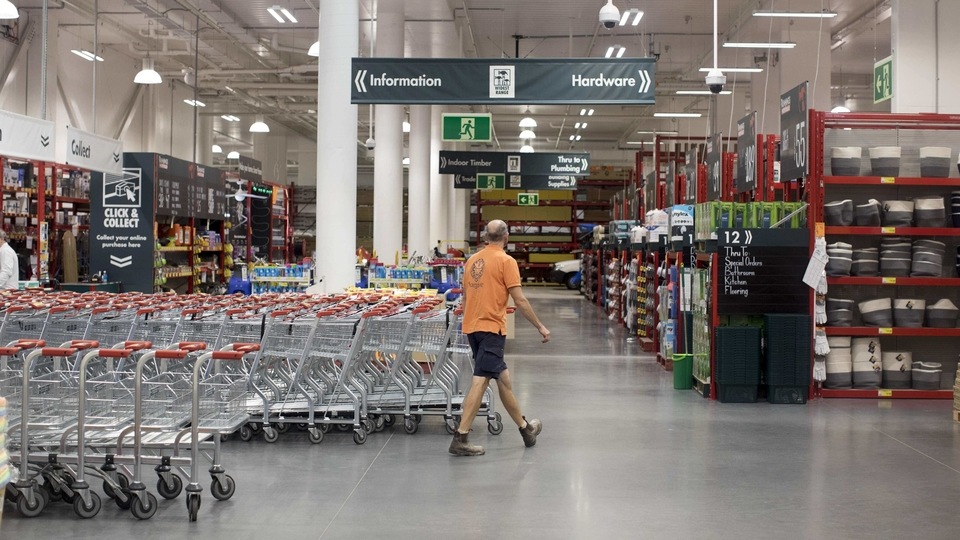
The jobless rate fell to 6.4% from 6.6% in December, versus economists’ estimate of 6.5%, data from the statistics bureau showed Thursday in Sydney. Employment advanced by 29,100 in January, compared with an expected 30,000 gain, driven by the state of Victoria that’s still rebounding from its second lockdown. The participation rate was 66.1%, slightly below the forecast 66.2%.
“Australia has recouped almost all the jobs lost in April/May 2020 at the depths of the recession and nationwide lockdown,” said Su-Lin Ong, head of Australian economic and fixed-income strategy at Royal Bank of Canada. “While the unemployment rate remains higher, it is heading in the right direction.”
The Australian dollar edged up immediately after the data and was trading at 77.54 U.S. cents at 1:26 p.m. in Sydney.
Australia is experiencing a V-shaped recovery as the relative containment of Covid-19 boosts confidence and encourages cashed-up households to spend. That’s prompted firms to resume hiring and swelled the labor force back to near its pre-pandemic level.
The Reserve Bank of Australia earlier this month announced it was extending its quantitative easing program by a further A$100 billion ($77.6 billion) and said it doesn’t expect to increase interest rates until 2024. It’s trying to keep a lid on a currency that left unchecked could hurt exports and employment.
Also read| 7 methods to get funds for your business idea or start-up
The central bank earlier this month also released updated forecasts showing the economy will grow 3.5% over both 2021 and 2022 and the jobless rate will fall to around 6% by the end of this year and 5.5% at the end of 2022. Under an optimistic scenario for the economy, the unemployment rate would fall to 4.75% by the end of next year.
The RBA late last year cut interest rates and its three-year yield target to 0.10% and initiated a quantitative easing program to lower borrowing costs across the economy. That came on the heels of the government announcing tax cuts, incentives for firms to invest and hire and infrastructure projects to boost activity.
Yet there are risks ahead as remaining government wage subsidies are set to expire in March, potentially triggering job cuts and bankruptcies. The RBA has labeled how households and businesses adjust to the taper of stimulus as “a key uncertainty.”
“We expect robust jobs growth to continue in 2021, although we are mindful of risks around the termination of Australia’s JobKeeper wage subsidy in March and note overall unemployment is likely to remain well above levels consistent with ‘full employment’ and faster wages growth,” said Andrew Boak, Goldman Sachs Group Inc.’s chief economist for Australia.


