E-Paper



GST reforms incoming: What may get cheaper, what may not
PM Narendra Modi has announced his government’s plan for a GST rationalisation by Diwali. What will these reforms entail for cars to cement and home appliances?

 Prefer HTon Google


India expects the GST rationalisation announced by Prime Minister Narendra Modi to boost the world’s fourth largest economy and offset the fallout from higher US tariffs.
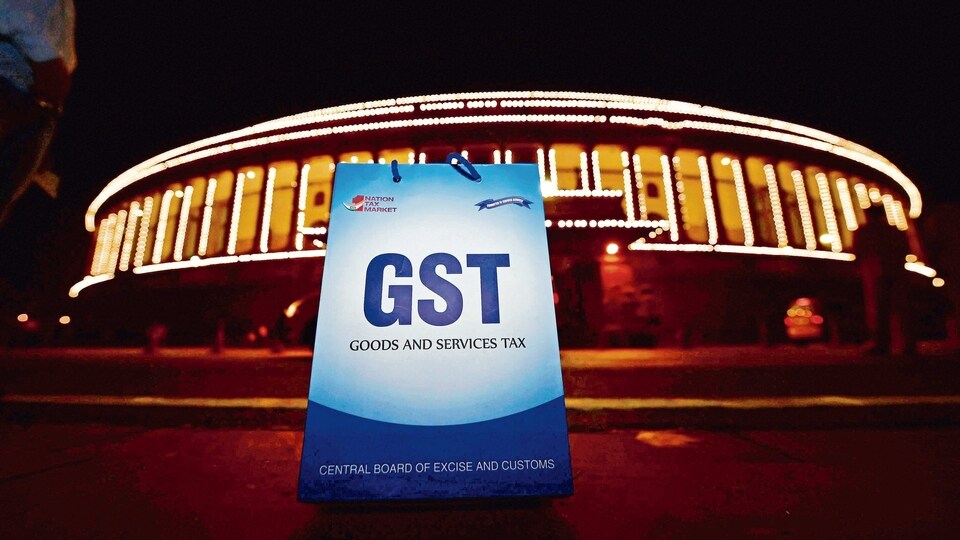
The proposed GST reforms, which will reduce the number of tax slabs to two from four (not including the zero percent slab), would benefit a wide range of sectors—from cars to cement and consumer goods—as well benefit businesses of all shapes and sizes, according to industry watchers.
According to government sources quoted by the Press Trust of India, nearly 90% of the items in the 28% slab will move to 18%. Almost all the goods in the 12% slab will move to 5%. That effectively means nearly all essential goods and household items will get cheaper.
Against that backdrop here’s a look at what may get costly and what stays costly after the proposed GST reforms and rate cuts come into effect around Diwali this year.
- Merging the 12% slab with the 5% would cut GST on a host of essential goods, including medicines, processed food and non-alcoholic beverages, some dairy products, as well as apparel, hotel rooms, and some construction material, according to Citi Research.
- Merging the 28% with the 18% would benefit white goods like air-conditioners, refrigerators, etc. and cement, according to Citi Research. A GST rate cut for the insurance sector is also expected.
- The merging of the 28% slab with the 18% would particularly benefit the four-wheelers with engine capacity less than 1,200 cc and two-wheelers up to 500 cc—potentially raising sales of Maruti Suzuki India Ltd. and Hero MotoCorp Ltd.
- According to The Economic Times, there will be a new 40% GST slab only for the so-called sin goods—luxury goods, high-end cars and tobacco products, etc.—but that wouldn’t materially impact the tax incidence on such products.
- Diamonds and gemstones, which are key exports from India, will retain their current rates. Petroleum will continue to remain out of the GST ambit.
India first introduced the Goods and Services Tax on 1 July 2017 with five tax slabs, effectively merging several state and central taxes into one nationwide system. The 18% GST slab is the highest revenue generator for the exchequer, accounting for nearly 65% of the collections.