E-Paper



Samvardhana Motherson unit wins incentives in India's $2.7 billion electronics push
Samvardhana Motherson plans to invest ₹1,900 crore over the next six years for a consumer electronics plant in Kanchipuram, Tamil Nadu.

 Prefer HTon Google


Samvardhana Motherson International Ltd. (SAMIL) has secured government incentives to manufacture consumer electronics parts, in what can be seen as diversification by one of India's auto components manufacturers.
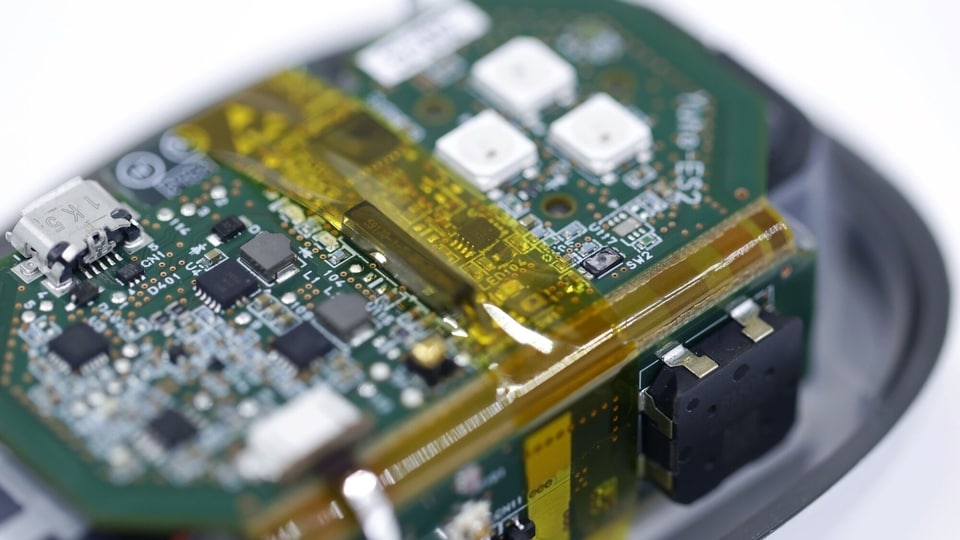
Motherson Electronic Components Pvt. Ltd., a wholly owned unit, has secured production-linked incentives under the govenrment's Electronic Component Manufacturing Scheme, which is designed to deepen the local supply chain for electronics, according to an exchange filing on Monday (5 January 2026).
The unit plans to invest ₹1,900 crore (~$225 million) over the next six years to produce enclosures for consumer electronics at a new facility in Kanchipuram, Tamil Nadu.
The move underscores the Motherson Group’s strategy to diversify beyond its core automotive wiring harness and mirror businesses into high-growth sectors like aerospace and consumer electronics. The project is expected to create over 5,000 jobs in Kanchipuram.
Deepening the Supply Chain
The Motherson Group is among a growing roster of manufacturers tapping into the Electronic Component Manufacturing Scheme, which was notified in April 2025 with a total outlay of ₹22,919 crore.
Unlike earlier PLI schemes that focused on the final assembly of smartphones, the ECMS targets the “missing middle” of the supply chain—incentivising the domestic production of bare components like printed circuit boards (PCBs), camera modules, and enclosures.
The scheme, which offers incentives for six years through Fiscal 2031, is critical to the government's ambition to boost India’s electronics production to $500 billion by 2030 and reduce reliance on imported inputs.
Big-Ticket Beneficiaries
The approval places Samvardhana Motherson alongside some of the biggest names in global manufacturing. In the latest tranche cleared last week, the Ministry of Electronics and Information Technology approved 22 proposals with a combined investment potential of 418.6 billion rupees.
Other key beneficiaries in this round include:
- Tata Electronics and Foxconn are approved for manufacturing of precision components and enclosures in South India.
- Samsung Electronics, which is set to expand its display module sub-assembly operations in Noida, Uttar Pradesh.
- Dixon Technologies Ltd. has been cleared for projects including optical transceivers through a joint venture.
- Hindalco Industries Ltd. is entering the high-tech materials space.
So far, the government has approved 46 investments under the ECMS, totaling ~ ₹54,600 crore, signaling strong industry appetite for localisation of electronic components.
Market Implications
For Samvardhana Motherson, the expansion leverages its existing expertise in plastic molding and assemblies—capabilities honed in the auto sector—for consumer devices.
The company, which operates over 425 facilities across 44 countries, has been aggressively acquiring firms to broaden its portfolio. This greenfield investment highlights a shift toward organic growth in non-auto verticals.