
 E-Paper



As mercury soars, Ludhiana zoo ramps up summer care for animals
From coolers and fogging systems to water sprinklers and seasonal fruit diets, the zoo has put in place multiple arrangements to ensure animals remain comfortable


With temperatures in Ludhiana touching 43°C, zoo authorities have intensified summer protection measures for nearly 16 species of animals, including Bengal tigers, leopards and several bird species, to help them cope with the scorching heat.
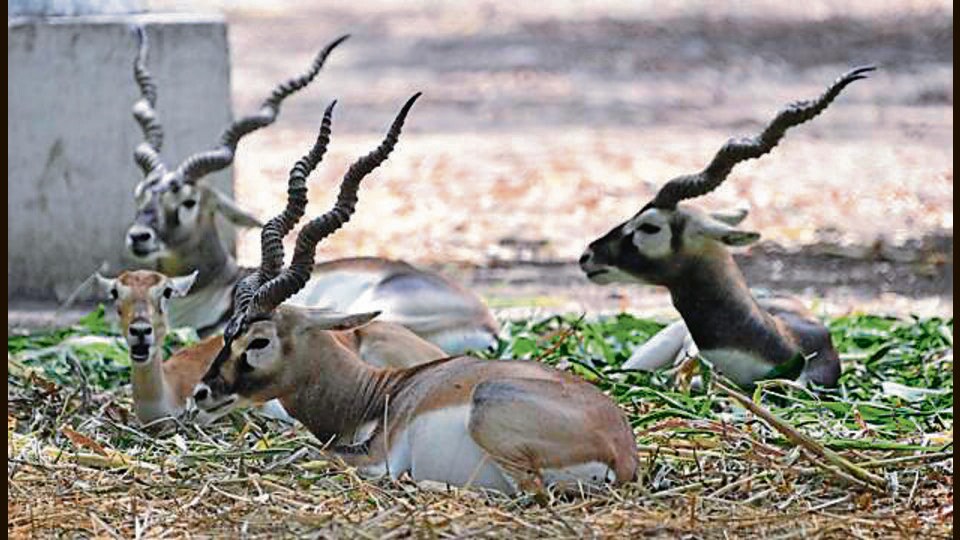
From coolers and fogging systems to water sprinklers and seasonal fruit diets, the zoo has put in place multiple arrangements to ensure animals remain comfortable during the ongoing heatwave.
Zoo officials said preparations had begun well before the onset of summer. Coolers have been installed in enclosures, while fogging systems and regular water sprinkling are being used throughout the day to keep temperatures under control. Water in ponds and drinking areas is also being changed daily to maintain hygiene and provide relief from the heat.
Green shade nets have been installed over enclosures of birds and smaller animals to protect them from direct sunlight.
“Staff members spray water inside the enclosures several times a day to maintain a cooler environment for the animals,” said a zoo official.
Authorities have also modified the animals’ diet for the summer months. Salt and glucose supplements are being provided to prevent dehydration, while fruits with high water content, especially watermelon, are being added to their meals. Herbivorous animals are also being fed fresh green fodder to help them remain hydrated.
Zoo officials recalled that last year, when bears were housed at the facility, special cooling arrangements, including ice cubes, were provided to help them cope with the extreme weather conditions.
Veterinary doctors are conducting regular health check-ups and closely monitoring animals for signs of heat stress or dehydration, officials said.
“All arrangements are being made according to the changing weather conditions to ensure the safety and well-being of the animals throughout the summer season,” another zoo official said.
The zoo administration has also appealed to the public not to disturb wildlife habitats and natural water sources during the summer months, stressing that wild animals should be allowed to survive peacefully in their natural environment.


