
 E-Paper



Chandigarh’s green cover crosses 50%
The green cover of Chandigarh has increased from 46.25% in 2019 to 50.05% in 2021, according to the recent India State of Forest Report (ISFR)

 Prefer HTon Google


The green cover of Chandigarh has increased from 46.25% in 2019 to 50.05% in 2021, according to the recent India State of Forest Report (ISFR).
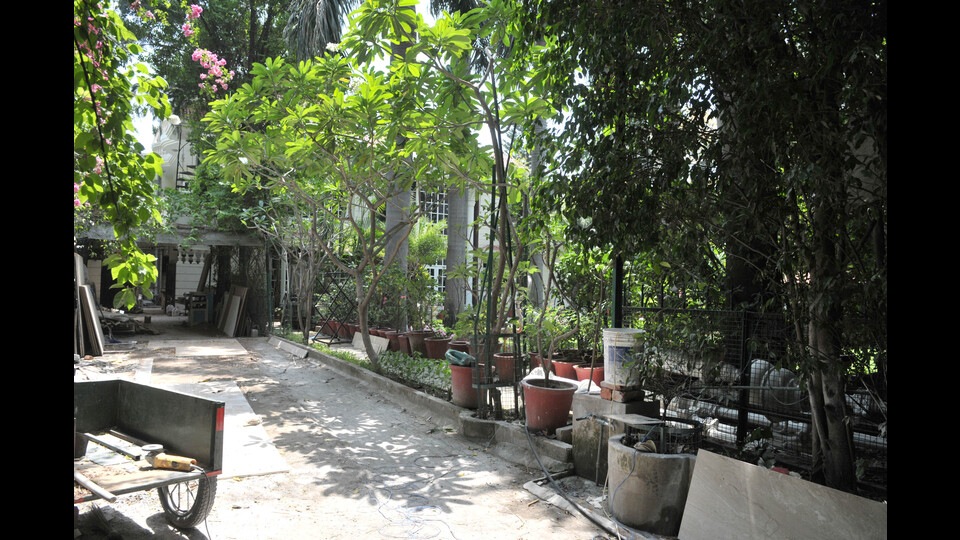
The Forest Survey of India, Dehradun, brings out the biennial report on the forest cover map of the entire country using remote sensing data and ground truthing on field.
As per the report released by the Union ministry of environment, forest and climate change, there is an 85 hectares jump in the green cover of Chandigarh since 2019. The open forest area has also increased by 158 hectares, signifying more non-forest area has been brought under green cover.
To increase the city’s green cover, a Greening Chandigarh Action Plan (GCAP) is prepared every year by various agencies, including the forest department, and horticulture wings of UT engineering department and municipal corporation, for maintenance of the city’s green cover and setting an annual target of plantation.
Chief conservator of forests (CCF) Debendra Dalai said the credit went to city residents, who had been working with the administration and helping with greening initiatives.
He said the UT forest department had also been making sustained efforts in improving the quality of forests by planting indigenous species, such as shisham, shahtoot, khair and babul, adding that no exotic species had been planted over the last couple of years. Free saplings are also distributed among residents.


