
 E-Paper



Guest column: Samskaras, from the ancient scriptures
Samskara in ancient Indian tradition is a set of rites which take place for a child even before her birth and until after death

 Prefer HTon Google


Knowledge of Samskaras is elucidated in various ancient Indian scriptures. While visiting the Rikhiapeeth School of Yoga at Devgarh, Jharkhand, India, an ancient place of spiritual learning, penance and wisdom, a much deeper knowing can be experienced.
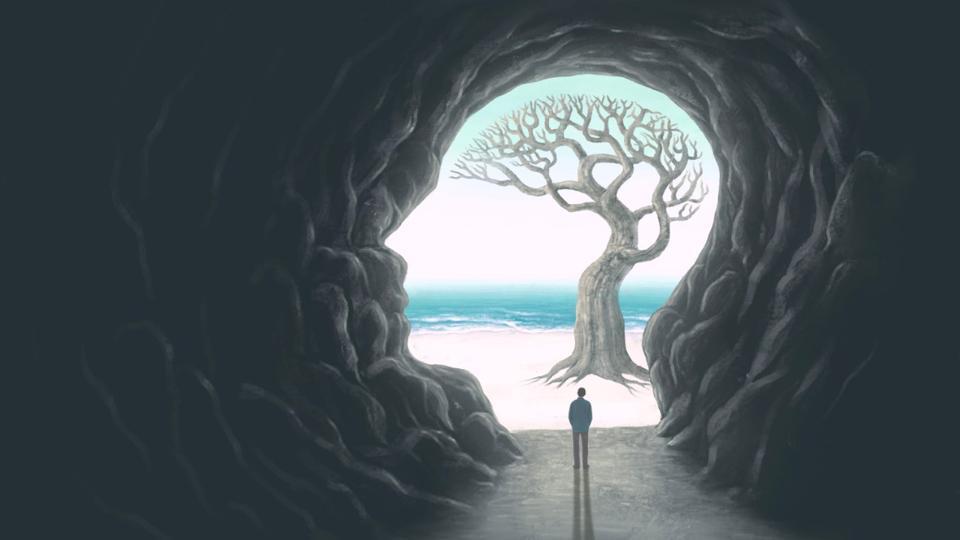
Samskara in ancient Indian tradition is a set of rites which take place for a child even before her birth and until after death. It is a process of purification which makes the person fit for a particular phase of life or afterlife. It isn’t just a ritualistic rite and may not be understood as such.
Samskaras help remove obstacles and seek to educate, train and refine the body, mind and soul consciousness so that the human being becomes fit to be in the company of the ‘devatas’ or highly evolved spirits who may be deities. This is of course allegorical, not meant for a literal interpretation. The import is more towards the conduct and character which shall foster a deity like, exemplary life in this world.
Thousands of years ago, the Vedic seers handed down this metaphysical knowledge through oral tradition. Later, Samskaras found their way into the Vedas, the Brahmanas, Upanishads and other texts. Such was their importance that they were even mentioned in the Puranas and the historical records of creation and annihilation of the world.
The first Samskara, the Garbhdhana — which translates as “entering the womb” — is wherein prayers are performed and the couple is given physical, mental and meditation exercises so as to purify their soul, thoughts and bodies. It realises the spiritual importance of conjugal relations so that when the new soul is to be invited into the womb, an appropriate consciousness of higher transcendence may be attracted. The power is such that the couple can attract a soul who can be an intellectual, a warrior, a saintly spirit or can possess any other quality, as per their choice. The child can be beautiful, healthy and even the lifespan of the child can be made longer than what was originally destined.
Modern scientific research also lays substantial stress on the thoughts and mental make-up of the parents, especially the mother at this crucial juncture and of course throughout pregnancy. Analysis of brain waves through EEG and functional MRI scans indicates that the conjugal act has a profound basis in the deeper recesses of the mind.
There are 16 samskaras for the human throughout life, which seek to prepare a person for a particular phase in a holistic manner, beginning with the Garbhdhana described above. The total samskaras are 48 out of which 16 are for human life while the others are for the afterlife.
The last Samskara for human life is Antyeshti. This is when life ends and the family has to perform prayers for 13 days along with other spiritual practices so that the soul journey to the other realms can be facilitated. Few learned scholars actually understand the process and import of this. It isn’t just about some recitation or about physical rituals. It entails establishing a deep and profound connection with the divinity inside. Through this process the soul can be assisted to transcend unwanted worlds and progress to higher realms.
Science has only just begun the process of research into these physical, mental and spiritual exercises. Their power is far beyond the ordinary.
Samskaras are far greater than rituals or rites and in fact transcend them.
They have the potential to transform lives and afterlives.
(parneetsachdev@gmail.com)
(The writer is the principal chief commissioner income tax in Chandigarh. Views expressed are personal)


