E-Paper



Fennel oil-infused polymeric beads to combat mosquito larvae
CSIR-CIMAP has developed biodegradable polymeric beads with fennel oil to effectively eliminate mosquito larvae, set for release by October.

 Prefer HTon Google


The Council for Scientific and Industrial Research– Central Institute of Medicinal and Aromatic Plants (CSIR-CIMAP), in its recent study, developed polymeric beads that can help eradicate mosquito larvae. These beads will be released by the institute by the end of October. Fennel oil has been mixed with two varieties of polymers, which help in the controlled release of oil.
In several studies, fennel has been found to control a wide range of infectious diseases caused by fungi, bacteria, viruses, and others. Fennel oil has also been found effective against mosquitoes and as an alternative for mosquito larvicidal activity.
“If fennel oil is used directly as a larvicide or mosquito repellent, it evaporates quickly. The beads obtained from this research solve the problem by encapsulating the oil and ensuring controlled distribution,” said scientist Narayan Prasad Yadav, who worked on the technology.
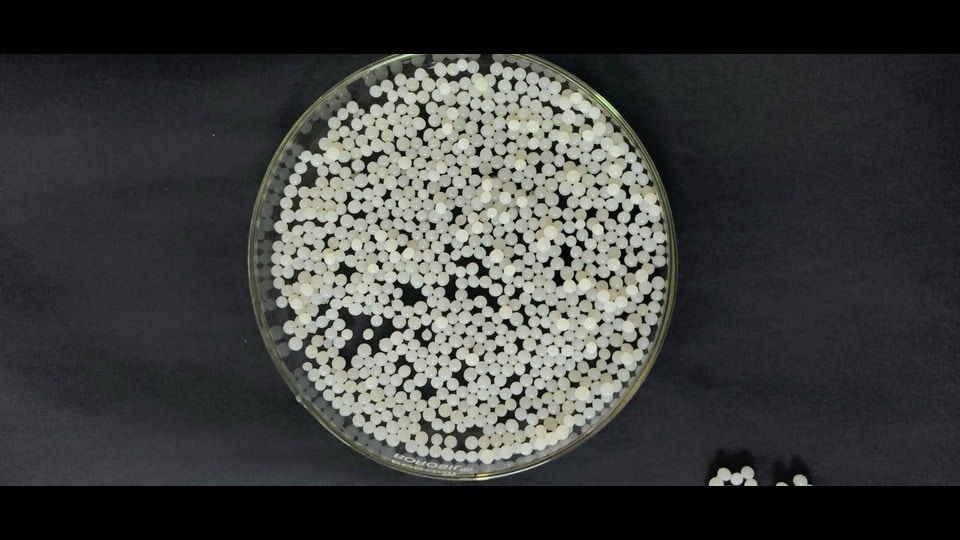
He shared that a mixture of two polymers, a solvent, and fennel oil was dropped into a calcium chloride solution, forming the beads.
“The substances used in the process are biodegradable and not harmful to humans or animals. The beads are about 2.5 mm in size, and once air-dried, they shrink to about 1.5 mm,” he added.
He also said that about 25 grams of beads, when dropped into 50 liters of water, would kill existing mosquito larvae within 24 hours, while preventing mosquitoes from breeding for about seven days. The research was conducted on mosquitoes responsible for diseases such as dengue and malaria, as well as wild mosquitoes.
It is considered safe for use in controlling mosquitoes in various household settings, such as summer coolers, garden ponds, and small pots for birds.
An Indian patent has been filed for the product. It will be sent to the product review committee in the coming weeks, and once approved, it will be released by CSIR-CIMAP for user trials. The technology will later be transferred to entrepreneurs and businesses. Interested parties can contact the CIMAP director for technology transfer.
“The cost per gram of beads is currently Rs. 5, and this may decrease with mass production,” Yadav said.
CSIR-CIMAP director Prabodh Trivedi stated that this is a safe technology and could be a solution to mosquito-borne diseases. “Discussions with industry are underway, and the product may reach the market by the end of this year,” Trivedi added.