E-Paper



UPPCL to bolster power supply, revenue with ring main units
RMUs play a critical role in maintaining network reliability by allowing operators to quickly isolate faults and restore power

 Prefer HTon Google


In a move aimed at ensuring consistent power supply and boosting revenue, the Uttar Pradesh Power Corporation Limited (UPPCL) has decided to install ring main units (RMUs) across feeders that serve commercial and industrial zones, particularly those generating high revenue.
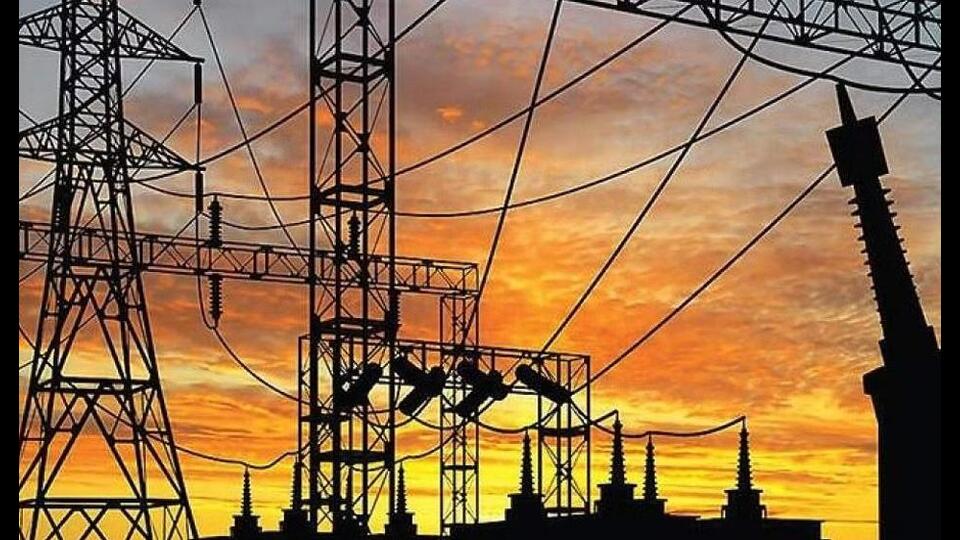
This initiative is part of an ongoing strategy to enhance the reliability of power distribution in these crucial areas. UPPCL chairman Ashish Kumar Goyel issued detailed written instructions to discoms in this regard last week.
An RMU or ring main unit is a type of electrical equipment used in medium voltage (11 kV) power distribution networks. RMUs allow for a more flexible and reliable supply of electricity by providing multiple paths for power flow.
If one section of a network experiences a fault, an RMU can isolate that fault and reroute the electricity through alternative paths, minimising disruptions to consumers.
“UPPCL’s current focus is on installing RMUs in urban feeders with high industrial loads and areas where per-unit revenue recovery is greater than in other regions,” said a senior UPPCL official referring to the chairman’s directives.
“By prioritising feeders with a high average billing rate (ABR) or through rate, the return on investment (ROI) for each RMU project is expected to be shorter, leading to quicker financial gains for the department,” he added.
As per the instructions, before any RMU installation, a thorough ROI analysis is expected to be conducted to ensure that the investment will result in a significant increase in revenue.
For the highest efficiency, these RMUs will be installed on feeders connected to substations with significant capacity and are strategically placed to ensure the total load remains within the feeder’s maximum load limit, even after the redistribution of load due to a fault.
The UPPCL has categorised RMUs into various designs based on their extensibility and compatibility with SCADA (Supervisory Control and Data Acquisition) systems.
In cities where SCADA implementation is anticipated in the near future, SCADA-ready or SCADA-operated RMUs are being installed. These advanced RMUs come equipped with features such as motorised breakers, load break switches and backup power systems to ensure operation during outages.
In non-SCADA areas, simpler non-extensible and non-SCADA RMUs will be used to create rings that ensure uninterrupted power to industrial consumers. The decision on whether to install an extensible or non-extensible RMU will be based on the need for future expansion, with extensible RMUs proposed only in areas where future expansion is likely.
“RMUs play a critical role in maintaining network reliability by allowing operators to quickly isolate faults and restore power from alternative feeders. This flexibility reduces downtime and enhances the reliability of the power supply, particularly in high-demand areas,” the official said.
“For instance, in the event of a fault on a feeder supplying industrial consumers, the RMU can isolate the affected section and reroute the power through adjacent feeders. This ensures that industrial operations can continue with minimal interruption, while also protecting the network from overloads,” he added.
To further optimise the placement of RMUs, UPPCL is also leveraging GIS (Geographic Information System) surveys. These surveys help in identifying the best locations for RMU installation by mapping the proximity of feeders and analysing their load capacities.
This careful planning ensures that the RMUs are placed where they can have the most impact, both in terms of reliability and revenue generation.