E-Paper



Hybrid Napier grass scheme to be expanded to Prayagraj to boost fodder, livestock productivity
Part of the state’s broader fodder security policy, the initiative seeks to ensure the year-round availability of both green and dry fodder for cattle, sheep, goats, and other livestock

 Prefer HTon Google


In a move aimed at improving fodder availability and enhancing livestock productivity, the Uttar Pradesh government is expanding its innovative fodder initiative to Prayagraj district. For the first time, the scheme will include a substantial subsidy to promote the cultivation of hybrid Napier grass—a high-yield, protein-rich fodder crop.
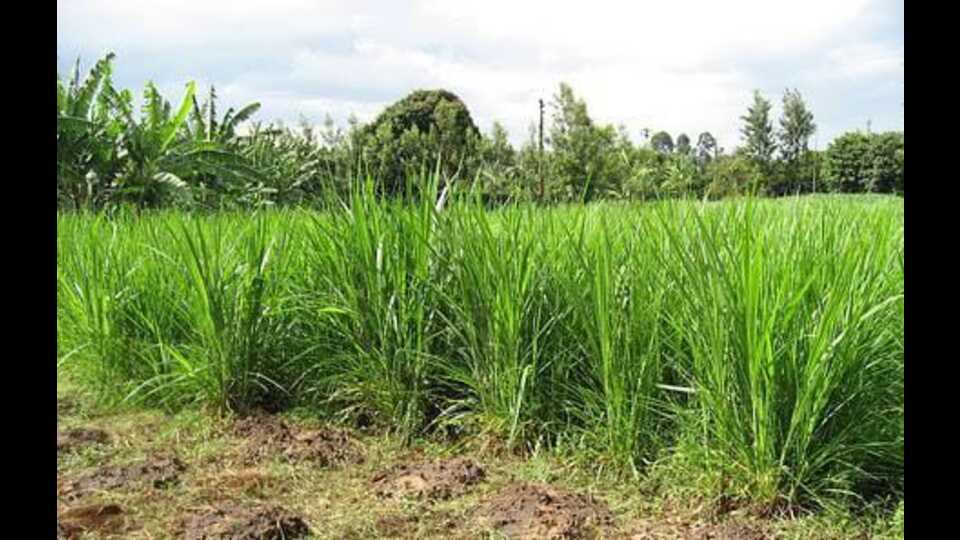
Part of the state’s broader fodder security policy, the initiative seeks to ensure the year-round availability of both green and dry fodder for cattle, sheep, goats, and other livestock. The ultimate goal is to increase milk production and strengthen rural livelihoods.
Chief veterinary officer of Prayagraj, Dr SN Yadav, confirmed that a buy-back scheme is being launched in the district to encourage Napier grass cultivation. Under the programme, farmers will receive a subsidy of ₹20,000 per hectare. Additionally, the government will provide hybrid Napier root cuttings to selected beneficiaries and later buy back the produce at double the market price.
“This is the first time such a scheme is being implemented in Prayagraj. The selection process for the initial 10 beneficiaries is already underway,” Dr Yadav said.
Eligible participants include individual farmers, nursery owners, farmer producer organisations (FPOs), self-help groups (SHGs) and managers of cow shelters (gaushalas).
Already operational in districts like Hamirpur and Bahraich, the scheme is expected to transform the rural economy by encouraging farmers to adopt Napier grass cultivation. Officials have described the initiative as planting “the seeds of prosperity — one blade of Napier grass at a time.”
Once the initial harvest is procured, the government plans to distribute the root cuttings more widely, encouraging large-scale adoption across the state. High in protein, Napier grass is particularly beneficial for dairy animals, significantly boosting milk yield.
“For dairy farmers, Napier is nothing short of green gold,” officials stated.
Compared to dry fodder, which costs around ₹12 per kilogram, Napier grass can be grown at just 50 paise per kilogram, enabling farmers to sell green fodder competitively while generating a stable income. Native to Thailand and resembling sugarcane, the grass thrives on both fertile and marginal land — even along field boundaries.
Napier matures in just 20–25 days with minimal water, producing 300–400 quintals per acre. Once planted, it regenerates from stalks and remains productive for up to 10 years, making it a low-cost, high-yield, and sustainable option for fodder cultivation.