
 E-Paper



IUCN report flags western ghats as an area of significant concern
The western ghats are internationally recognised as a region of immense global importance for the conservation of biological diversity

 Prefer HTon Google


In its latest ‘World Heritage Outlook’ report released on October 11, the International Union for Conservation of Nature (IUCN) – an international organisation working in the field of Nature conservation and sustainable use of natural resources – has classified the western ghats as an area of significant concern with regards to conservation.
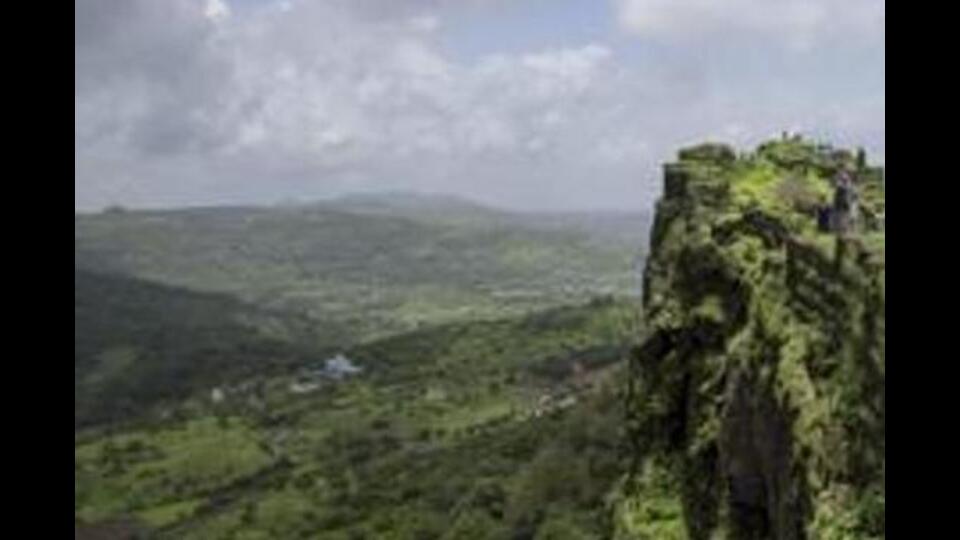
This is the second most vulnerable category among three other categories including ‘good’, ‘good with some concern’, and ‘critical’. It means that the site’s values, conveyed by its key attributes, are threatened and/or showing signs of deterioration. Significant additional conservation measures are needed to maintain and/or restore attributes over the medium to long-term.
The western ghats are internationally recognised as a region of immense global importance for the conservation of biological diversity. In 2012, the region was declared a UNESCO World Heritage Site as it contains a large number of different species of flora and fauna, most of which are endemic to the region.
According to the IUCN report however, the region faces threat from the impact of climate change, even as growing tourism, infrastructure development and the spread of invasive species have further intensified concerns over the protection of this world heritage site.
Emphasising the importance of the findings, Dr Grethel Aguilar, director-general, IUCN, said in the report, “Protecting world heritage is not just about safeguarding iconic places – it is about preserving the very foundations of life, culture, and identity for people everywhere. These sites represent some of the planet’s most exceptional examples of biodiversity and geodiversity. The new ‘IUCN World Heritage Outlook’ reveals that threats are increasing, and stronger actions are urgently needed.”
The report warns that 43% of natural world heritage sites now face threats from climate change as compared to 33% in 2020. The report also warns that invasive alien species (IAS) remain the second most prevalent current threat while a surge in wildlife and plant diseases is now affecting 9% of such sites. The IUCN World Heritage Outlook report is the most comprehensive global assessment of natural world heritage sites, and for the first time, it presents trends in their conservation prospects over the past decade.
Mandar Datar, scientist at the Agharkar Research Institute, Pune, said, “Although I am not aware of this specific report, the effects of climate change, invasive species, tourism, and infrastructure development are clearly visible across the western ghats. However, these effects have not yet been fully quantified. There is a pressing need for detailed studies to assess the actual extent of these influences on the western ghats, which remain one of the world’s major biodiversity hotspots.”


