
 E-Paper



ASER 2022: Enrollment of students in govt schools up significantly since 2018
Policymakers need to come up with a robust plan that responds to this crisis. Education must be at the front and centre of a national conversation

 Prefer HTon Google


The absence of in-person classes for almost two years due to Covid-19 left many children in West Bengal with deep learning losses, says a survey carried out by the Pratham Education Foundation and West Bengal-based Liver Foundation in December 2021. According to the document --- Annual Status of Education Report (Aser-Bengal) --- released on Wednesday, the percentage of children in Class 2 who can read words dropped from 66.2% in 2018 to 53% in 2021 – even below the 2014 levels of 54.8%. The percentage of children in Class 1 who could recognise single-digit numbers reduced from 77.8% in 2018 to 68.5% in 2021, again lower than the 2014 levels of 74%.
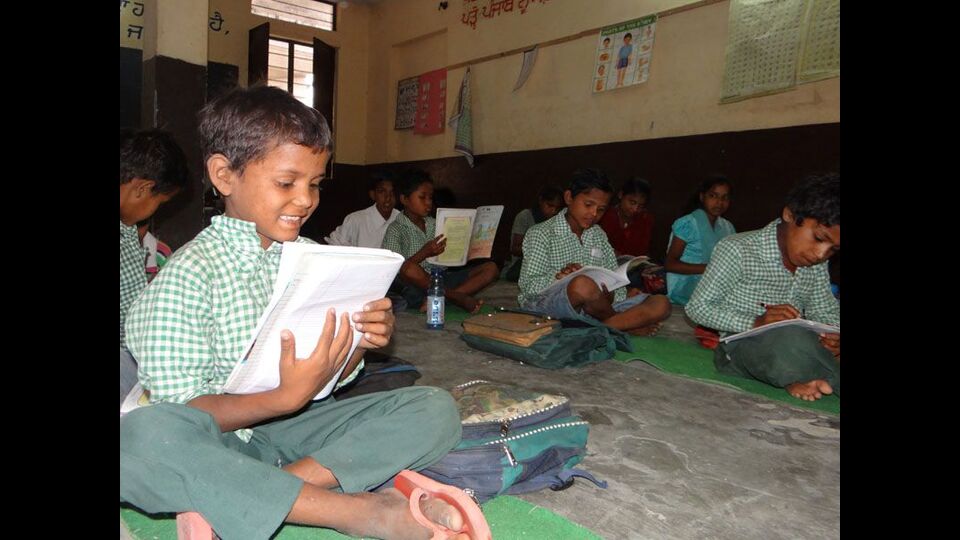
The results are not surprising. Several reports, including Aser’s Karnataka and Chhattisgarh reports, painted a similar picture. A recent five-part series in this newspaper also showed the drastic and varied impact of the pandemic on schools and children across states. There needs to be more nationwide reports --- the Economic Survey, too, acknowledged a gaping lacuna in government data --- to understand the real depth of the crisis and devise state-specific plans. The first step has been made by reopening schools across the country, but more steps are required to ensure any future infection spikes don’t harm learning levels the same away.
During the Aser-Bengal launch, Nobel Laureate Abhijit Banerjee said teachers should begin from where the students are stuck instead of only focusing on the syllabus. There are other ways of bridging the gap: Targeted interventions and bridge courses, tracking down children who dropped out, and strengthening the digital reach. Policymakers need to come up with a robust plan that responds to this crisis. Education must be at the front and centre of a national conversation.


