
 E-Paper



Can regenerative agriculture secure future of India's cotton?
This article is authored by Gangadhara Sriramappa, head, Agri Research for Cotton (India & Pakistan) & Grains & Oilseeds (India), Louis Dreyfus Company (LDC).

 Prefer HTon Google


Cotton isn’t just a crop. It’s the lifeblood of over six million Indian farmers and the backbone of India’s textile sector, powering exports and contributing significantly to the national economy.
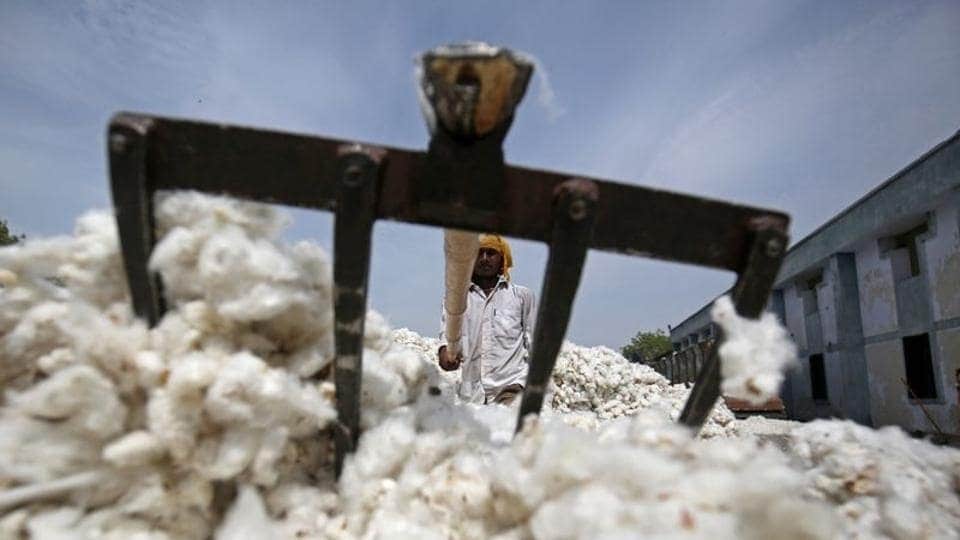
Yet, many farmers face harsh realities. They contend with erratic monsoons, pest outbreaks, rising input costs and groundwater depletion. Many are caught in a cycle of shrinking yields and volatile incomes, compounded by reliance on expensive chemical solutions to fight pink bollworm and other pest infestations.
The situation is clear: India’s cotton sector needs a new approach. One that supports productivity, resilience and sustainability for all.
Regenerative agriculture provides a practical solution to the persistent challenges facing Indian cotton farmers. Unlike conventional or organic agriculture systems, regenerative practices restore soil health, conserve water, reduce chemical use and increase biodiversity, while sustaining farm productivity.
Key practices include soil restoration through cover crops, composting and reduced tillage, which improve fertility and moisture retention; water and pest management through water harvesting and integrated pest management, both of which lower costs and increase resilience to climate extremes; and biodiversity enhancement through intercropping and crop rotation, which nurture soil microbiomes and natural pest control, strengthening long-term farm health.
A regenerative cotton standard pilot supported 5,000 small-scale cotton farmers in Maharashtra, to enhance climate resilience and environmental sustainability. A similar program that began in 2023 in Maharashtra with 4,131 cotton farmers has since grown to 6,486 cotton farmers in adopting regenerative agriculture practices, including training in irrigation, groundwater conservation, soil and crop management, helping them adapt to changing rainfall patterns.
The training also strengthens financial literacy, access to credit, and women’s empowerment. Participants supply regenagri®-certified cotton, linking sustainable practices to premium markets and fostering more resilient, productive, and sustainable cotton farming.
These efforts going beyond individual farms: They not only strengthen rural livelihoods and economies by reducing input costs, stabilising incomes and enhancing access to premium markets, but also contribute to more productive, profitable and sustainable cotton supply chains--in India and beyond.
Scaling regenerative cotton demands collective action — from farmers and policymakers to brands and consumers. The rewards are profound: healthy soils and resilient farms translate directly into stronger rural economies, more reliable and sustainable supply chains, thriving rural communities. By making regenerative practices the norm, India can secure both its cotton future and its global leadership in sustainable agriculture.
This article is authored by Gangadhara Sriramappa, head, Agri Research for Cotton (India & Pakistan) & Grains & Oilseeds (India), Louis Dreyfus Company (LDC).


