
 E-Paper



Profound paradigm shift at South Asia’s edge
This article is authored by Hriday Sarma, senior fellow, South Asia Democratic Forum, Brussels.

 Prefer HTon Google


Just hours after the Bangladesh Nationalist Party (BNP) won the 13th national elections on February 12, 2026, the mood in New Delhi was cautious. Indian Prime Minister (PM) Narendra Modi spoke with BNP leader Tarique Rahman, offering “continued support” and emphasising shared cultural ties — a gesture that felt like a reset after relations frayed following the Gen-Z-led uprising that toppled former PM Sheikh Hasina in August 2024. On the surface, it looked like routine diplomacy. In reality, it marked the start of a deeper adjustment.
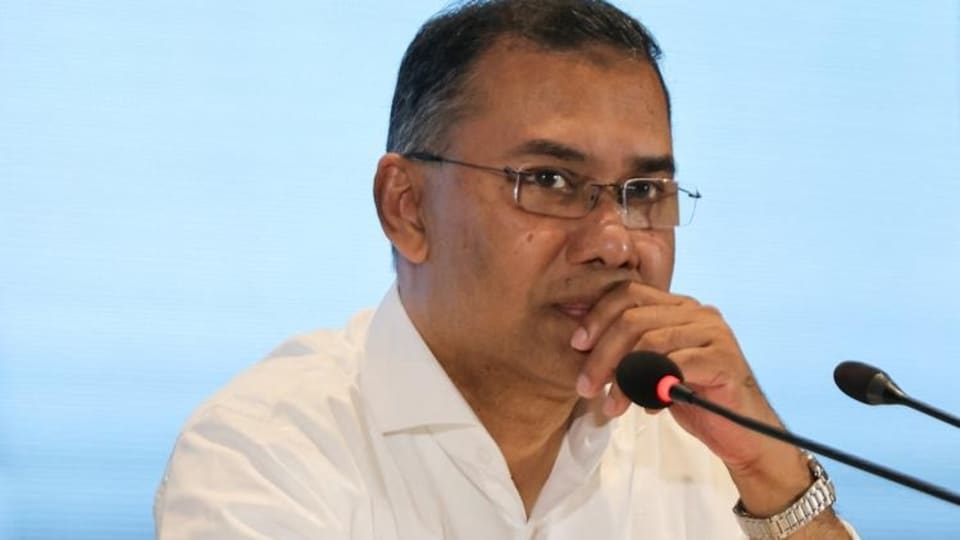
In Dhaka’s social media debates and in the columns of Prothom Alo and The Daily Star, one question keeps returning: What does sovereignty mean for Bangladesh now? The election has not just changed a government; it has reopened an argument about how the country balances its interests in a region where India, China and Pakistan all matter. The shift is less about personalities and more about whether Bangladesh can rebuild trust in its political system after a sharp and painful break.
The BNP’s landslide is real, but so is the silence it rests on. The absence of the Awami League gave the new government a clear majority but also a credibility problem. That absence was deliberate: on 10 April 2025, the interim government banned the party and all its activities, online and offline, under the Anti-Terrorism Act, 2009, until the International Crimes Tribunal finishes trying its leaders. Turnout near 60% shows public fatigue with years of repression and the chaos of 2024, yet many argue that an election without the country’s largest party cannot alone heal political exclusion.
Rahman’s early calls for calm and unity sound less like generosity and more like necessity. Large parts of the country feel shut out of power, and that is not a stable foundation for any government. If this transition is to mean more than a change of faces, civic space must reopen without ignoring past abuses. The constitutional reform vote held alongside the election raises the stakes: fair courts, credible elections and room for opposition will matter only if they become routine, not slogans.
For India, this moment is about strategy, not nostalgia. The Northeast has long been the most sensitive part of Dhaka–Delhi ties, and New Delhi remembers how porous borders once allowed militant networks to operate. Yet trade routes through Bangladesh now shape daily life in Assam, Tripura and Mizoram, and power links and port access affect prices, jobs and supply chains.
Stability in the Northeast will come from routine cooperation, not speeches: better border management, shared information to fight trafficking, and simpler customs rules for small traders. That cooperation will hold only if Dhaka restrains hardliners and New Delhi resists turning every disagreement into a security crisis. A relationship built mainly on suspicion will produce exactly the instability both sides claim to fear.
Economics will quietly determine whether this reset holds. Bangladesh’s garment-led growth created scale but not enough skilled jobs, leaving many young people educated and frustrated. Inflation, a weak currency and cautious investors are everyday worries. Clear rules, fair labour standards and reliable power for small businesses will do more for Bangladesh’s standing abroad than any summit photo.
Investors watch how contracts are awarded and how courts behave. If Rahman can turn political momentum into predictable governance, Indian investment and trade will deepen in ways that also calm the border regions by making cooperation practical.
Over all of this hangs Sheikh Hasina’s future in India. Dhaka’s push for accountability meets New Delhi’s legal limits. Extradition is not automatic, and due process and non-refoulement rules mean India cannot act simply on political pressure. The new government must choose: pursue justice through careful, open legal steps, or let the issue become a permanent political weapon. The first path is slow but credible; the second risks poisoning ties and deepening domestic divisions. True closure comes from procedure, not spectacle.
Bangladesh’s shift will be watched closely in Beijing and Islamabad, and the pull to lean too far one way is real. The constitutional reforms now moving forward offer a chance to anchor foreign policy in domestic trust: civilian control, independent courts and credible elections. If these take root, Dhaka can engage with all powers without becoming dependent on any.
The real test of 2026 is not whether the new prime minister is friendlier to India, but whether Bangladesh can turn rupture into a system that works openly. If institutions, not individuals, carry this change, the Northeast will feel safer not because of promises, but because cooperation becomes routine — and South Asia may finally learn that accountability binds more firmly than loyalty to any one leader.
This article is authored by Hriday Sarma, senior fellow, South Asia Democratic Forum, Brussels.


