
Sign in

Govt institute in Delhi sends 600 students home as fuel crisis hits hostel mess

Indian Agriculture Research Institute in Delhi, popularly known as Pusa Institute, has asked students of some batches to leave campus; classes online for them

Updated on: Mar 27, 2026, 22:45:24 IST
Share
Share via
  • facebook
  • twitter
  • linkedin
  • whatsapp
Copy link
  • copy link

Citing an ongoing fuel crisis due the US-Iran war in West Asia, the government-run Indian Agriculture Research Institute (IARI) in Delhi, popularly known as Pusa Institute, has asked students of undergraduate batches, master's degree first year, and PhD first year, to leave the campus for their homes, and their classes will be conducted online from April 6, 2026.
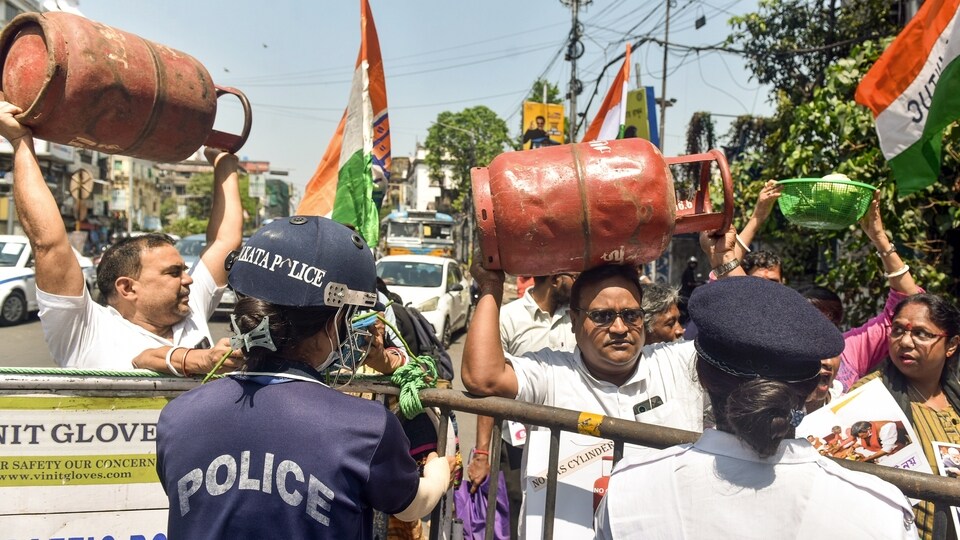
Protests are being held by Opposition parties and trade unions over the reported shortage of LPG. The government has assured there's enough supply and backup. (Saikat Paul/ANI Photo)

"There are around 1,800 students currently residing in the campus out of which nearly 600 students will be affected as the notice is applicable to UG students and first-year PG and PhD students," an official told HT.

Follow: Live updates on West Asia war impact on India

The IARI is one of India's premier national institutions; it is financed and administered by the Indian Council of Agricultural Research (ICAR).

The official notice dated March 25, by Suresh Kumar, senior registrar, cited “the current energy crisis being faced by the country and its impact being felt by the institute” in running hostel messes. He said the decision was taken “based on inhouse due diligence in consultation with students' representatives”.

As per the notice, classes for all undergraduate batches, master's first year and PhD first year batches (academic year 2025-26) will be conducted online.

“Students of these batches shall leave the campus for their respective homes till further communication from The Graduate School. Students should note that it will not be optional,” it read.

“Second year onwards batches of Masters/MTech and PhD programs being run at IARI New Delhi and its sister institutes shall continue to attend offline classes and pursue their research as before,” it added.

“Professors shall submit to the Joint Director Education, plan to conduct practicals of the courses taught online, upon students' joining back. This order is being issued in compliance to the directive of the competent authority, ICAR-IARI, New Delhi,” it further read.

(Note: The report has been updated to reflect the number of students impacted.)

  • Sanjay Maurya
    ABOUT THE AUTHOR
    Sanjay Maurya

    Sanjay Maurya is a Principal Correspondent with Hindustan Times, where he covers education, with a focus on school and higher education, competitive examinations, education policy and governance. Working as part of the National Bureau, he is based in New Delhi and reports on the Ministry of Education and covers various statutory bodies like UGC, AICTE and NCTE and autonomous bodies like CBSE and NCERT. His reporting also tracks the implementation of key government reforms and policies from school education to higher education including in IITs, NITs, IIMs, central and state universities, and their impact on students and educational institutions. His reporting on the irregularities and rushed implementation of CBSE's On-Screen Marking (OSM) system for evaluation of Class 12 board exams 2026, triggered administrative action, leading to the transfer of the board's two senior-most officials and the constitution of a committee to probe alleged irregularities in procurement process of the system. He joined Hindustan Times in December 2024. Prior to that, he had a three-year stint at Careers360, where he reported on school and higher education, entrance examinations, admissions, rankings and various education policies involving universities and professional education bodies. Over the years, Maurya has reported extensively on major developments in India's education sector, including the implementation of the National Education Policy (NEP) 2020, reforms in the National Testing Agency (NTA) following the NEET-UG 2024 controversy, changes in school education, higher education regulation, and the evolution of entrance examinations such as NEET, JEE and CUET. He regularly produces data-driven and explanatory stories based on government documents, parliamentary proceedings, court records and official data. His focus remains on helping readers understand how education policies and institutional decisions affect millions of students, teachers and educational institutions across the country.Read More

Get the latest India News, breaking headlines and real-time updates from across the country. Stay informed about politics, government policies, crime, weather major national developments and Karnataka Bandh LIVE.