
 E-Paper



India to take up border friction points one by one with China before bilateral normalcy
India has identified 18 friction points on the LAC that needs to be resolved between the two armies before peace and tranquillity is restored along the undemarcated border.

 Prefer HTon Google


Rather than taking up all contentious border-related issues all at once, India has decided to take them step by step, resolving one issue at a time, with China before bilateral normalcy is restored between the two Indo-Pacific powers. Just as Indian Army-Peoples’ Liberation Army (PLA) stand-off on Gogra in East Ladakh was resolved in the 12th Corps Commander meeting on July 31, India intends to take up all the remaining issues one by one with China while not allowing PLA to unilaterally change the status quo along the 3,488-kilometer Line of Actual Control (LAC). Next on the table are resolving stand-off at Hot Springs near Kongka La, Demchok and restoration of patrolling rights in the Depsang Bulge.
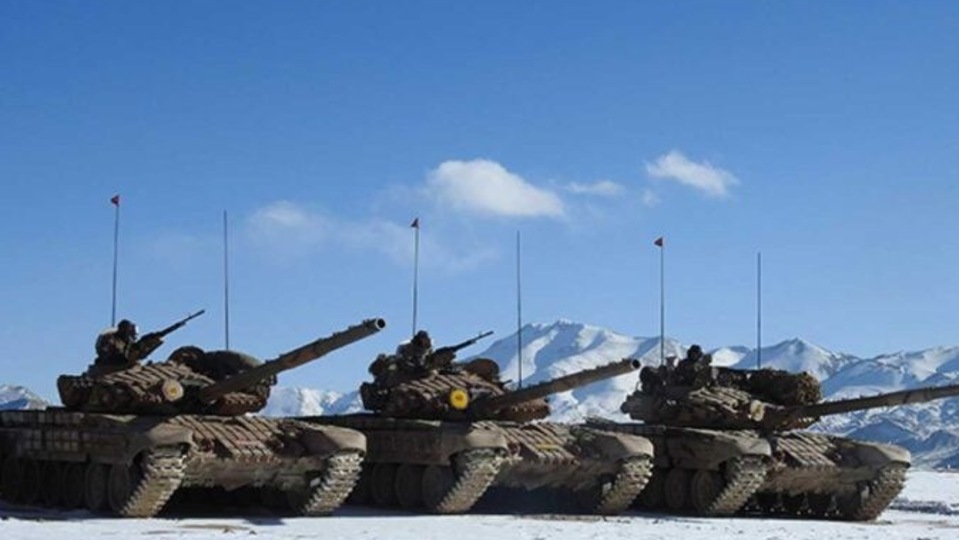
It is understood that India has identified 18 friction points on the LAC that needs to be resolved between the two armies before peace and tranquillity is restored along the undemarcated border. “We intend to take up each friction point one by one so that both sides are clear about the arguments in support of their posture,” said a former foreign secretary.
The future of bilateral relations between the two countries will depend on the time taken to resolve the border issues. In May 2020, the PLA threw the 1993-1996 bilateral border agreement out of the window and decided to militarily change the status quo in East Ladakh with transgression on north banks of Pangong Tso, Galwan, Gogra and Hot Springs with the intention of superimposing an already rejected 1959 line (as proposed by then Chinese PM Zhou En-Lai) on the 1597km LAC in East Ladakh. The situation flared up in Galwan on June 15, 2020, when the PLA tried to be belligerent with the Indian Army at patrolling point 14, resulting in the loss of 20 Indian soldiers, including Col Santosh Babu, in hand to hand combat.
Both the PLA and Indian Army are deployed on the LAC and continue with patrolling with the perceived border with the PLA troops brought down to East Ladakh for military exercises in June 2021 having gone back to their respective bases. There is no unusual activity in the Central sector.
While Indian Army chief Gen MM Naravane is reviewing its deployment before the onset of winter in East Ladakh, the national security planners have strengthened the Central Army Command, given the proximity of the Barahoti LAC to New Delhi. Unlike the past when the Central Army Command had been virtually reduced to a training command with two deployed brigades in the central sector, the present formation is robust with three full-fledged divisions under its Lucknow based command. The situation is no different in the eastern sector with the Indian Army matching the increased PLA deployments east of Lhasa to Nyingchi.


