
 E-Paper



India-Central Asia NSAs to protect Afghanistan from terror groups
Led by National Security Advisor Ajit Doval, the India-Central Asia NSAs focused on Afghanistan and protect the region from terrorist groups, terror recruitment, financing and propaganda through new and emerging technologies including cyber attacks.

 Prefer HTon Google


The National Security Advisers (NSAs) of India and Central Asia on Tuesday reiterated strong support for a peaceful, stable and secure Afghanistan, emphasising respect for its sovereignty, unity and territorial integrity and urging non-interference in its internal affairs.
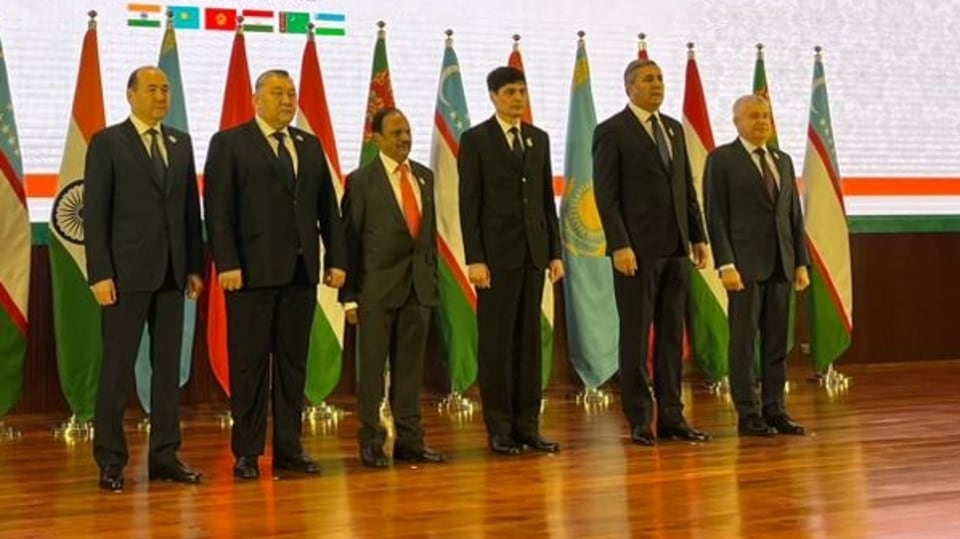
The first India-Central Asia meeting of NSAs/secretaries of security councils, hosted by Indian NSA Ajit Doval, was held with a focus on evolving a common framework to deal with challenges of terrorism in the region, including Afghanistan, and ways to bolster overall security cooperation in sync with a decision taken at the first India-Central Asia summit in January.
The NSAs of Kazakhstan, Kyrgyzstan, Tajikistan and Uzbekistan are attending the conclave while Turkmenistan is being represented by its ambassador to India.
The NSAs agreed that the expansion of terrorist propaganda, recruitment and fundraising efforts have serious security implications for the region and, therefore, a collective and coordinated response is essential. The misuse of new and emerging technologies, arms and drugs trafficking, using terrorist proxies for cross-border terrorism, abuse of cyberspace to spread disinformation and unmanned aerial systems present new challenges in counterterrorism efforts and call for collective action.
They also emphasised the important role that Chabahar Port played during the humanitarian crisis in Afghanistan and its immense potential in enhancing trade and connectivity, as well as the logistics infrastructure of the Central Asian countries in the delivery of humanitarian goods to the Afghan people by international organisations.
The top security officials supported India’s proposal to include the Chabahar port within the framework of INSTC.
“Noted the current deteriorating humanitarian situation and the need to jointly act to provide humanitarian assistance to the people of Afghanistan…Condemned in the strongest terms all forms and manifestations of terrorism and underscored the need to work collectively to fight this menace. Agreed that the expansion of terrorist propaganda, recruitment and fundraising efforts have serious security implications for the region and, therefore, a collective and coordinated response is essential,” the NSAs said in a joint statement.


