
 E-Paper



UP makes ‘love jihad’ a punishable offence
The announcement came roughly a month after Uttar Pradesh chief minister Yogi Adityanath vowed to end “love jihad”, a term used by right-wing activists to describe marital relationships between Muslim men and Hindu women, but one that the courts and the Union government do not officially recognise.

 Prefer HTon Google


The Uttar Pradesh cabinet approved on Tuesday a draft ordinance outlawing religious conversions by marriage, coercion, deceit or enticement, and prescribed up to 10 years imprisonment for those found guilty, becoming the first state to propose a law for regulating interfaith relationships.
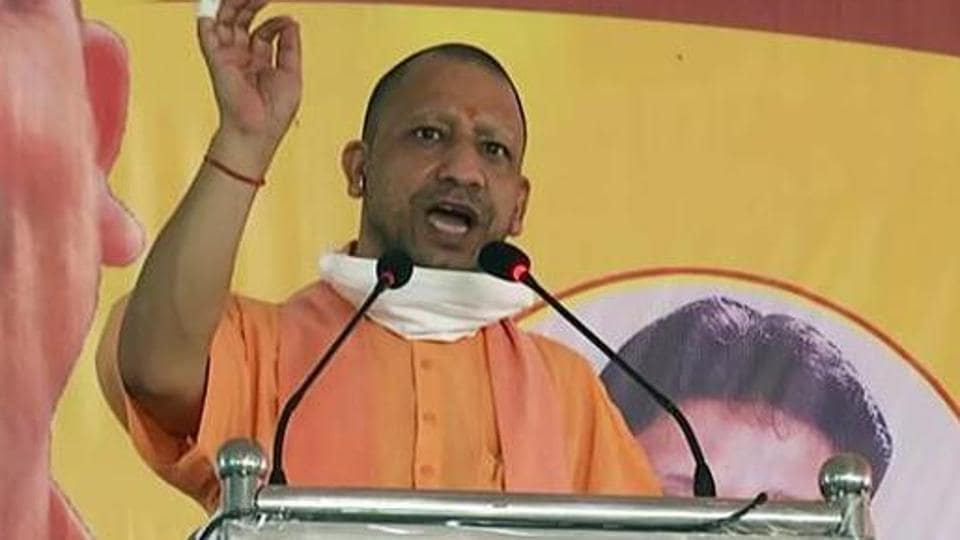
The announcement came roughly a month after Uttar Pradesh chief minister Yogi Adityanath vowed to end “love jihad”, a term used by right-wing activists to describe marital relationships between Muslim men and Hindu women, but one that the courts and the Union government do not officially recognise.
The draft ordinance doesn’t mention the word “love jihad” anywhere, said UP law commission chairperson AN Mittal, who was involved in drafting the document.
Also Read | ‘They are grown-ups’: Allahabad HC cancels case against Muslim man by wife’s parents
The draft ordinance, formally called Uttar Pradesh Vidhi Viruddh Dharm Samparivartan Pratishedh Adhyadesh 2020 (UP Prohibition of Unlawful Religious Conversion Ordinance-2020), includes a provision to void a marriage if it is solemnised primarily to convert a woman’s faith.
The burden of proof in such cases will be on the person who converted their faith, and those who performed the conversion, the document added. It imposed a penalty of between five and 10 years for such a union.
“The way in which religious conversions are done using deceit, lies, force and dishonesty is heart wrenching, and it was necessary to have a law in this regard… The ordinance was necessary to maintain law and order and justice for women,” cabinet minister and UP government spokesperson Sidharth Nath Singh said.
Adityanath’s promise last month was based on a judgment by a single-judge bench of the Allahabad high court in October objecting to religious conversion only for marriage. But on Monday, a two-judge division bench said the previous verdict didn’t lay down good law. The division bench also said the right to marry a partner irrespective of faith was a part of a person’s constitutional right that could not be infringed.
The state government, through the ordinance, appeared to have sidestepped the legal debate, and based the proposed law on a 2019 submission by the state law commission, which called for a law to check forcible religious conversions in the state. Unlike several other states, Uttar Pradesh didn’t have an anti-conversion law on its books.
“The ordinance came following a law commission report and after studying all possible aspects. The UP government will stop all illegal conversions. Love jihad is a term in circulation, people use it. Everything in the ordinance is within the purview of the Constitution and people’s rights,” said deputy chief minister Keshav Prasad Maurya.
The draft ordinance – which now needs the assent of governor Anandiben Patel — made religious conversions using force, coercion, enticement, deceit, and fraud non-bailable and cognisable offences, which means a police officer can arrest a suspect without warrant and can start an investigation without the permission of a court.
The ordinance provided for imprisonment of a minimum of one year to a maximum of five years and a penalty of not less than ₹15,000. In cases where a minor girl or a woman from the scheduled caste or scheduled tribe communities is involved, the imprisonment ranged from three years to 10 years and penalty of at least ₹25,000.
In cases of collective or mass illegal conversion, the punishment is between three and 10 years with a penalty of at least ₹50,000. In such offences, the registration of the organisation holding the mass conversion event could be cancelled. The draft law also empowered district magistrates to award compensation not exceeding ₹5 lakh to victims of forced conversion.
If a person wants to change their faith, they will have to apply in a prescribed format two months before the planned conversion. This is double the period stipulated in the 1954 Special Marriage Act that regulates interfaith unions.
Violation of this clause in the draft ordinance would make a person liable for imprisonment between six months to three years and penalty of at least ₹10,000, said a state government statement.
Uttar Pradesh’s draft ordinance comes at a time several other Bharatiya Janata Party (BJP) –ruled states – such as Karnataka, Haryana and Madhya Pradesh – have declared their intention to outlaw “love jihad”, in which Hindu right-wing activists claim gullible Hindu women are being coerced into conversion on the false pretext of marriage.
Many experts reject these allegations and say that adult men and women are free to convert under the constitutional right to freedom of religion. In February, the central government told Parliament that there was no definition of the term and no such cases were reported by agencies.
Last week, Madhya Pradesh announced that it will bring in the next session of the assembly a bill to check incidents of “love jihad”.
The new proposed law mentioned that conversion for marriage by force, fraud, lure or instigation would be punishable by a maximum jail term of five years. If such forced conversion is proved, then the marriage concerned shall be declared null and void and anyone who assisted or was a part of the conversion exercise shall be treated at par with the main accused, the proposed bill added.
Samajwadi Party spokesperson and former UP minister Rajendra Chaudhary said: “This government has a track record in wasting time and energy and diverting public attention from real issues by doing such things.”


