
 E-Paper



All about me: Why a humblebrag is still a drag

 Prefer HTon Google


You’re not modest if you have to tell the world you are. To hell with humility! Celebrate your wins
American comedian Harris Wittels passed away, at 30, in 2015, of heroin overdose. Is he tooting his own horn in heaven? Because before he departed, he gifted humanity with a most useful phrase. Wittels coined the term “humblebragging” on Twitter in 2010. It refers to the act of weaving one’s personal accomplishments and indulgences into casual conversation, and deliberately downplaying it.
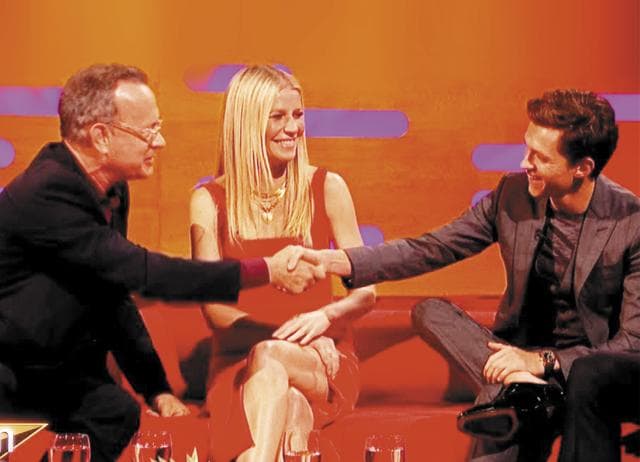
Humblebrags are all over the place. One viral clip, featuring Gwyneth Paltrow on the Graham Norton show, starts off simply enough. Paltrow is describing her hilarious attempt at cooking duck. The fat, she says, burst into flame. “What did you do?” Norton asks. “I threw it into the pool!” Not such a relatable story, then, Gwyneth!
Bollywood stars are only slightly different. “Love returning to simple home food” they’ll post, right after Reels of their getaway in Spain. Friends do it with LinkedIn posts about hard work, leaving out the part that their boss is actually their uncle. Colleagues complain about being exhausted after a spa weekend. Intellectual snobs gush that their book club has asked them to pick the next title yet again.
The shrinks are watching. They say that watering down one’s achievements is all about self-representation. “This involves two key goals: Being likable and earning respect or being seen as competent,” says Dr TR John, senior consultant in psychiatry at Aster Medcity in Kochi. One way to do this is to praise the other person. (Who doesn’t love a compliment, right?) The other is to turn the spotlight on oneself. “Humblebragging, however, is an intriguing attempt to pursue both goals simultaneously,” he says.
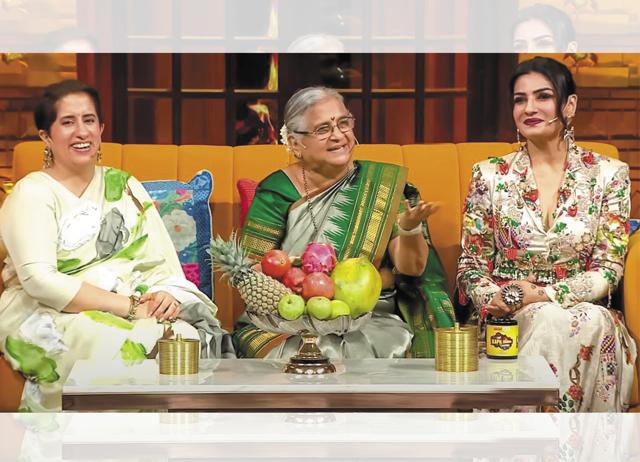
Indians place too much value on humility, anyway. Last year, when Pune consultant Pranay Pathole, met his Twitter friend Elon Musk in Texas, his tweet pointed out how “humble and down-to-earth” the billionaire was. Musk, it turns out, was merely polite and civil. In May, when Sudha Murty, appeared on The Kapil Sharma Show, she mentioned that at Heathrow, a British immigration officer refused to believe that she was mother-in-law to the UK Prime Minister Rishi Sunak. She was widely trolled on social media for exaggerating her humble, simple public persona.
Arouba Kabir, mental-health therapist and founder of Enso Wellness, says that humblebragging can come across as insincerity, distance from others, low self-esteem and communication issues. Those who do it are perceived as harbouring bitterness, ultimately harming both relationships and self-worth. “Share your achievements and struggles honestly,” she says. “Acknowledge others’ accomplishments. Focus on the experience, the journey, not how it makes you look.”
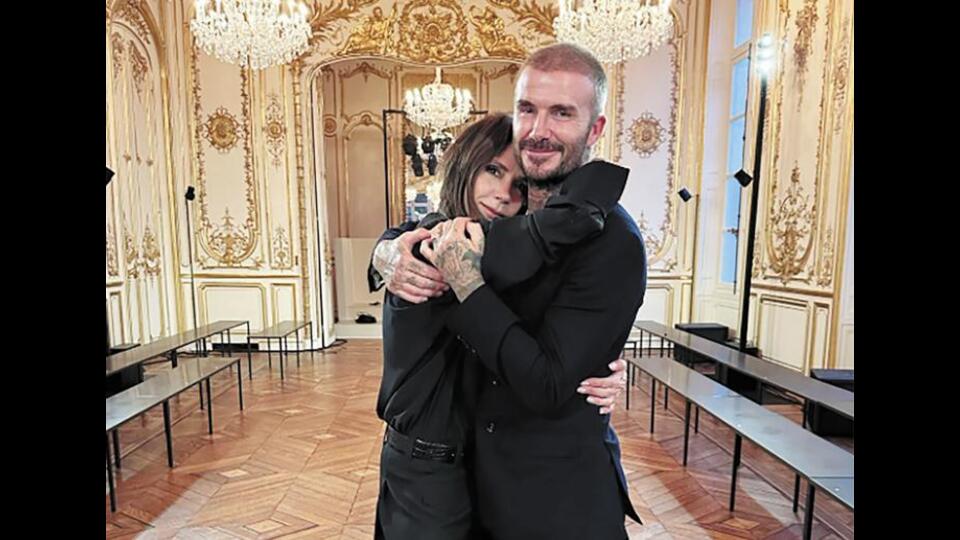
Victoria Beckham could have used that lesson. On Netflix’s new Beckham documentary, she begins an interview insisting that she has working-class origins, until Beckham butts in, asking her what car her dad used to drop her to school. “A Rolls-Royce,” she concedes grudgingly.
Ramon Llamba, a Gurugram-based life- and business-coach, sees humblebragging in a different light. It’s not the brag, it’s how we respond to it. “The ability to recognise our emotional triggers helps us avoid negative feelings when people humblebrag, protecting us from the comparison trap,” she says. Those with high self-esteem and empathy respect both bits: the humble and the brag.
There’s a way to do it well too. Comedian Catherine Cohen, who authors an advice column in W magazine was asked about it this month. “No one likes a braggart — be they humble or not,” she writes. “You don’t seem accomplished, you come off as insecure. Don’t try to impress others — invest in others. Become interested in the world and the world will take interest in you, you wonderful thing.”
Or, forget Gwyneth Paltrow and listen to Catherine Zeta-Jones addressing an awards event in 2018: “I’m sick of f***ing being humble. So sorry I’m rich. So sorry I’m married to a movie star. So sorry I’m not so bad looking.’ No sorrys. Enough! All that is important to me now is my work.”


