
 E-Paper



Don’t get wasted: How cooks are getting more out of every tasty ingredient

 Prefer HTon Google


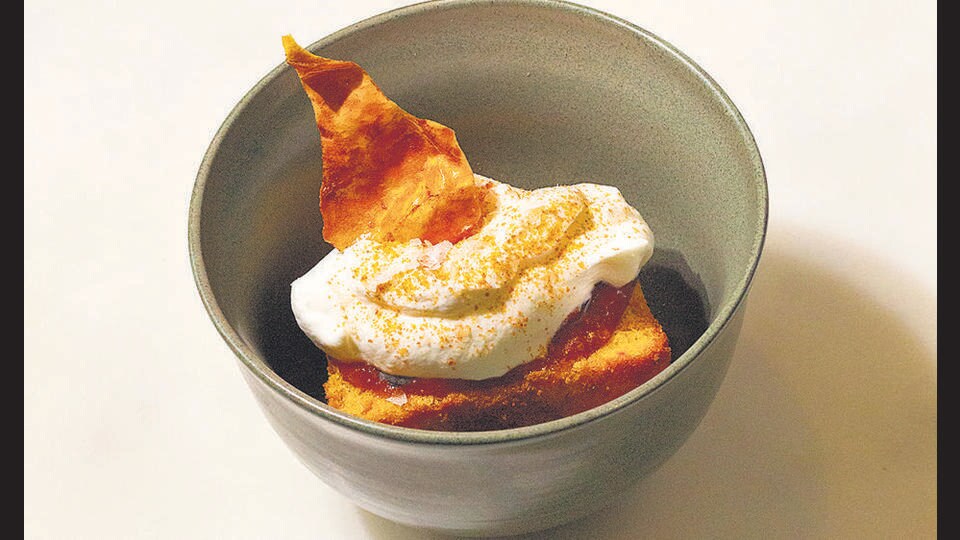
In hotels and cafes, cooks are getting creative with food waste. Tomato skins in cake, fat flavours broths, peels have fresh appeal. Of course, we’re cheering
At Mumbai restaurant Thai Naam, chefs prepare Tom Yum Koong, their popular tangy soup, the usual way. There’s lemongrass, kaffir lime leaves and galangal. There are prawns too.
But the rich umami taste in the broth comes from an unlikely ingredient: Prawn shells, a usually discarded kitchen item. “We simmer them, extracting every bit of flavour, and then sieve them out,” says Jaweria Merchant, the restaurant’s co-founder and head of kitchen operations. The curry paste that gives the soup its texture and additional flavour also pulls double duty – it’s also used in dishes across the menu. Lemongrass stalks and ginger skins aren’t thrown away either – they’re used to flavour other soups.
The best part? Customers love the food. They have no idea that the recipes were tweaked to minimise waste, or that the kitchen has been creatively repurposing food since it opened in 2020.
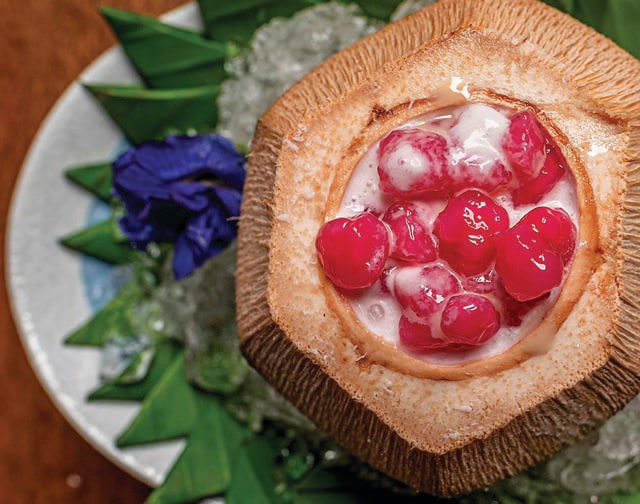
It’s like the world emerged from the pandemic with a newfound respect for what food can do. In London, Silo, the world’s first zero-waste restaurant is five years old and still packed out. Celebrated Italian chef Massimo Bottura has a video series Why Waste?, which gives cheese rinds, surplus pasta, offal and other discards a second life as gourmet delicacies. On Reels, videos about powdering dried garlic and onion peels for seasoning are viral. On YouTube, muscly chefs view saved fat drippings as a special flex. Arina Suchde’s The No-Waste Kitchen Cookbook, which was released last year, features 75 recipes that use the peels, stems, and stalks of vegetables and fruits that typically end up in the bin.
So, how come home kitchens, neighbourhood pubs and hipster cafés aren’t following suit? Mass adoption calls for more than viral stories. See how some cooks are developing new recipes, training cooks and servers and rethinking their own ideas of what constitutes food.
Clear the table
For Indian kitchens, the only way to go is up. The 2024 update of the United Nations Food Waste Index Report finds that Indian households waste an average of 78.2 million tonnes of food waste annually. That’s 55 kg per person. We’re second only to China. On farms, less-than-perfect produce never makes it to the market. Veggies are not refrigerated en route to cities or in the shops, so they wilt faster. In kitchens, peels, rinds, husks, fat and bones tend to go straight to the bin.
Modern life makes it worse. Indians have no traditional recipes for broccoli, dragonfruit, avocado, basa and pork belly, so we throw out the bits that aren’t included in the preparation.
All it takes is a bit of experimentation, says Suchde. “For me, the discovery that the stalk of the broccoli tastes better than the floret was a revelation,” she says. Her book covers such recipes as pea-pod fritters, leftover rajma hummus, and oils infused with herb stalks. “If you stop using the word ‘waste’ or ‘leftovers’, and view every part of a fruit or vegetable as a new ingredient, it changes your mindset.”
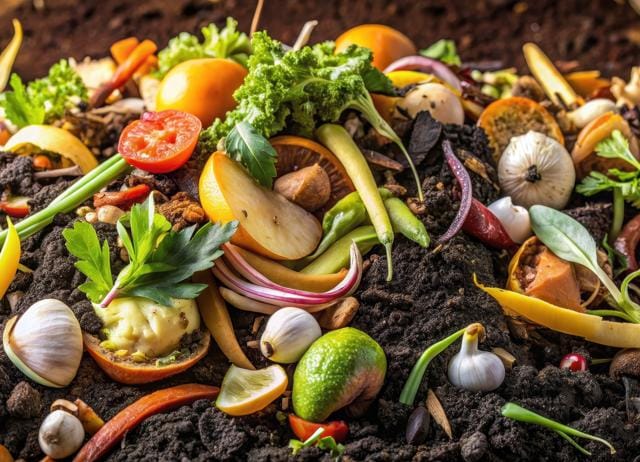
Priyanka Naik, a Manhattan-based chef, began researching low-waste cooking practices in 2020. She starts right at the store. “When I’m picking up cauliflower, I’m already thinking about how to use the leaves, the stem, and the florets in different ways,” she says. “If I’m buying carrots, I’m planning how to incorporate the tops into the dish. Many of the techniques our parents and grandparents used can be applied to unfamiliar produce too.” She’s made carrot-top pesto, mango-peel chutney, broccoli stem pancakes and watermelon rind pickles and shared the recipes on her website. “Once we change our perception of what is edible, what tastes good, what makes a complete meal – a world of options opens up.”
Update the menu
Hotels and restaurants are finding ways to better use the fresh ingredients they source. At the Le Meridien hotel in Delhi, chef Davinder Kumar runs a kitchen where chefs have been trained to view scraps as second meals. Pumpkin seeds go into a halwa, avocado seeds get blended into a spread, banana peels are one of the ingredients in the tea cake. Leftover meat fat is blended into hamburgers, patties, and kababs, to give them a rich, silky, melt-in-the-mouth texture. Fish trimmings are added to patties, croquettes and nuggets. Five years in, no one in the kitchen thinks it odd when food is stored, chopped and sorted more carefully. “It’s not recycling, it’s upcycling,” he says. “We’re creating a dish that’s no different from other meals.”
At the Araku chain of cafes, brand executive chef Rahul Sharma challenges his team to find new ways to reduce waste with sweets and dessert. “We were joking about the fact that scientifically, tomatoes are fruit, not a vegetable,” he says. “So, we thought, why not use it as a fruit? We added the tomato pulp to cake batter and used leftover blanched skins as garnish.” It’s the hit no one saw coming. The Mumbai outpost also serves an ice-cream that’s created out of leftover pieces of their butter croissants.
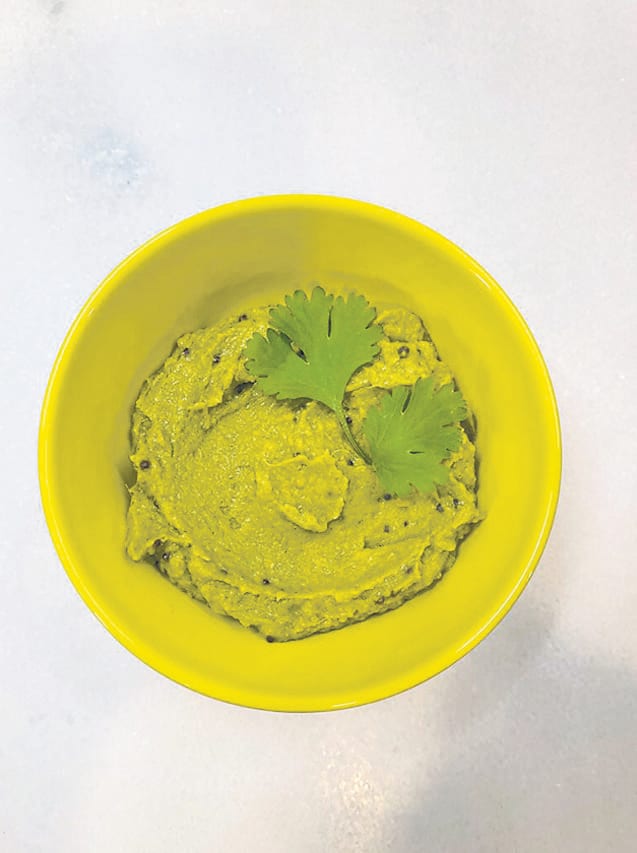
Radhika Khandelwal, chef and owner of Delhi’s Fig & Maple restaurant, says an overlooked aspect of zero-waste practices in restaurants is fermentation. “It is zero-waste’s best friend,” she says. “You get to preserve so much, and add new dimensions to existing dishes by simply saving scraps and fermenting them.” Case in point: Their lemon rind seasoning. “We dunk lemon skins in lemon juice, add salt, and leave it for months. What we get is a really soft, sweet, umami-rich seasoning, which we use to enhance the flavour of other dishes.”
Step up to the plate
What seems noble and delicious takes some getting used to, chefs say. Adding scraps and getting food to taste the same or better takes several tries. When they were crafting their tomato cake, Sharma and his team had to account for its lack of natural sweetness. “It turned out good, but something was missing,” Sharma says. “We had to improvise by making a tomato jam and adding it to the cake to balance the sourness.” Scrap-driven menu items are also dependent on scraps. “We get enough croissant bits to make one ice-cream only after 10 days,” Sharma says. “So, for those 10 days, the scraps we collect have to be stored in the right manner so they can be reused.”
And all the croissants in the world aren’t enough to butter up fussy diners into paying full price for food that is generally considered waste. It’s why so few restaurants worldwide (and none in India) present their menus as zero-waste. Vikas Singh, executive chef at The Westin Mumbai Garden City says that hotel kitchens must do right by food regardless, and plan operations keeping waste in mind. “It’s as simple as making sure that the chef knows to send overripe bananas not to the buffet, but to the bakery kitchen to be transformed into banana cakes and smoothies,” he says. Line cooks need to be trained to put fruit peels in a separate container and not the bin so another team can use them.
For home kitchens, Suchde believes it’s a process that will take daily, micro-level adjustments. The first step is not making zero-waste cooking a huge sustainability project. “Don’t draw up a timeline, just change the way you cook, one dish at a time,” she says. “If it’s aloo paratha or aloo subzi, for lunch, that’s automatically an opportunity to fry the peels for an evening snack.” If it’s a vegetable or cut of meat you’re unsure about, look it up online. “Our generation needs to create recipes with these new ingredients so they become traditional for the next generation.”
Box
What a save!
These regional recipes make the most of every ingredient
Gobi ke Danthal. Many Punjabi households turn cauliflower stems into a dry, spicy winter dish.
Muri Ghonto. Popular in West Bengal and parts of Bihar, it’s a side dish of rice and fish heads.
Peerkangai Thol Thogayal. The chutney made from ridge-gourd peels is beloved in Andhra Pradesh.
Ethakka Tholi Thoran. The dry vegetable made with green-banana peels is savoured in Kerala.
Mutton Suthu Kozhuppu Varuval. Several communities in Tamil Nadu turn mutton fat into a flavourful side dish.
From HT Brunch, November 16, 2024
Follow us on www.instagram.com/htbrunch


