
 E-Paper



Kirti Kulhari: From dark places to catching the light

 Prefer HTon Google


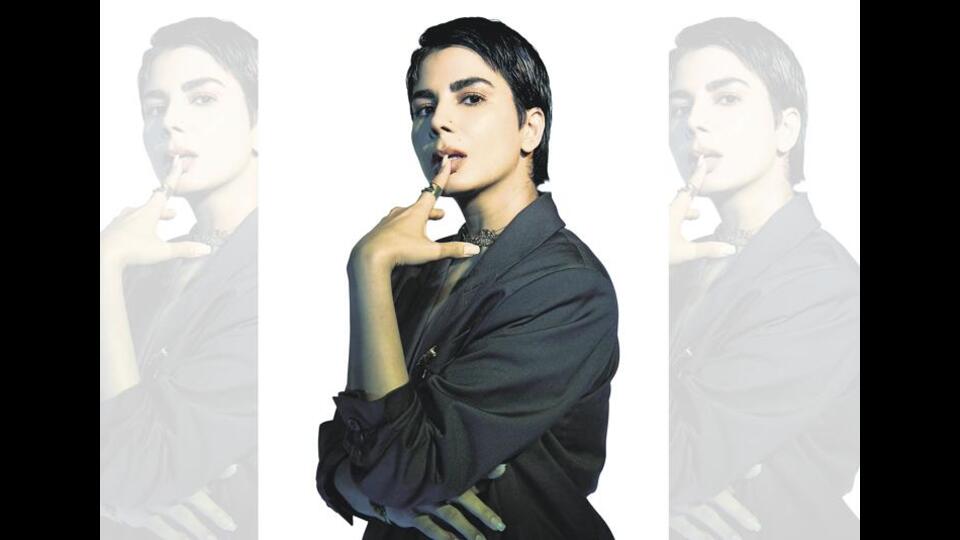
Kirti Kulhari’s roles shine no matter how small the part. But they hide years of depression and fighting demons. See how she draws strength from sensitivity
By her own admission, Kirti Kulhari, 38, was a hypersensitive child. “I would sulk in a corner if someone said something mean. My relatives would pass comments about how I keep crying. I grew up believing that my dad was the only one who cared about me.”
Kulhari was in Class 7 when a teacher accused her of using her tears “as a weapon”. That statement formed a core memory. Emotions are powerful tools, she’s come to learn. They can make you feel things. And when expressed right, they can make viewers feel things too.
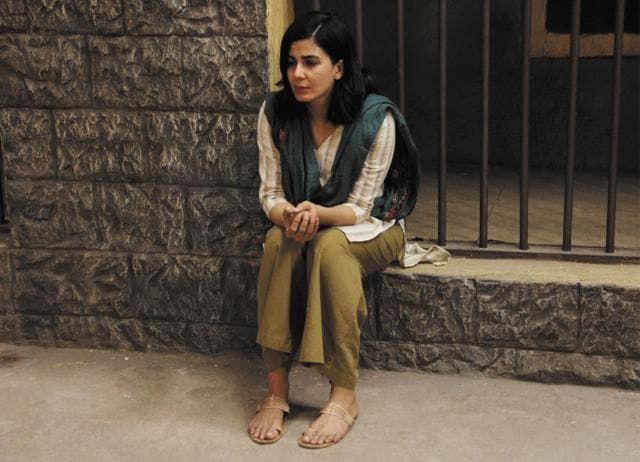
Kulhari’s acting career spans 13-odd years. She made her debut in the comedy Khichdi: The Movie (2010), playing Pammi, a much-jilted bride who finally gets hitched. She’s best known for playing Anjana in Four More Shots Please! (2019-), who walks out of a bad marriage and faces life as single mom. In the courtroom drama, Pink (2011), she’s Falak, a young Faridabad professional who pays the price after her roommate attacks a sexual assaulter. In the black comedy Blackmail (2018), she’s the woman cheating on her husband, prompting him to plot revenge.
Kulhari has excelled in playing a kind of everywoman caught in a bad situation. She doesn’t always get the soliloquies, the zinger dialogues. But audiences come away remembering her quiet courage and her slow-burn of confusion and pain before she finds her way out.

“I am the character. I live every moment they do on screen,” Kulhari says. “But it doesn’t mean that I need to feel that pain myself to portray it on screen. That distance is something I have created.”
That process of detachment has been slow, hard-won, and has come with tears of its own.
BREAKING POINT
Kulhari grew up in Mumbai and started out as a theatre actor in 2007. For two years, at workshops and rehearsals, she’d relive painful moments from her own life to find a connection to the roles she was playing. These were small slights, petty grievances that she’d dwelt on too much and had stockpiled over the years.
In one way, letting it out was cathartic. “There was a sense of relief, accompanied by a lingering heaviness,” she recalls. But being “so touchy” and “too sensitive” filled her with self-loathing. “I was like, ‘What is the point of anything, if this is how messed up I feel inside?’”

She hit rock bottom and was diagnosed with depression at the end of 2009. Her partner at the time suggested she visit a psychiatrist. “I remember saying, ‘I’m not mad, why should I?’,” Kulhari says. It ended their relationship, but it made her aware of her lack of sleep and appetite. This wasn’t who she wanted to be.
It was time for change. “Awareness is all that you need to start moving on,” says the actor. She started to meditate, practise reiki and focus on the moment, not the grey cloud of moments past. “Letting go is such a huge act that it takes a while for us to start understanding what it means, and how to do it without being bitter about it,” she says. Kulhari also made fewer plans and went with the flow more often. During the week of her 35th birthday in 2020, she ran a series on her Instagram @IAmKirtiKulhari, postings what she loves about herself (trusting her instincts, caring about the environment, standing up for herself, being quick to forgive). “Looking back, that was the moment I realised I was falling in love with myself.”
She’s also decided to own the fact that she is sensitive. So, by the time she was offered the role of Anuradha Chandra, a marital rape survivor who is accused of killing her husband, in Criminal Justice: Behind Closed Doors (2020), Kulhari no longer spiralled into despair as prep. “I asked myself, “Do I want to get into 40 days of rona dhona?’” It was, finally, just a job.

ACT TWO
Life, meanwhile, continued to present twists and turns. Kulhari married actor Saahil Sehgal in 2016, but separated from him in 2021. “It took me a long time to come to terms with the fact that I f**d up and it was over.” Letting go is crucial, Kulhari has found. “It’s usually accompanied by sadness and pain – emotions that sit stubbornly in all of us and keep building unless we consciously clear them out.” And the only way out of pain, is through it. “Anything else is just suppression and brushing your emotions to the side.”
Learning to let go has been useful in her professional life too. A week before she spoke to Brunch, Kulhari found out that she was no longer playing the role she thought she had bagged. “I do feel bad, my body and heart react in certain ways. I let it happen and I’ll sulk for a day or two,” she says. “But now I also say, “This wasn’t meant to be and that’s okay’.”
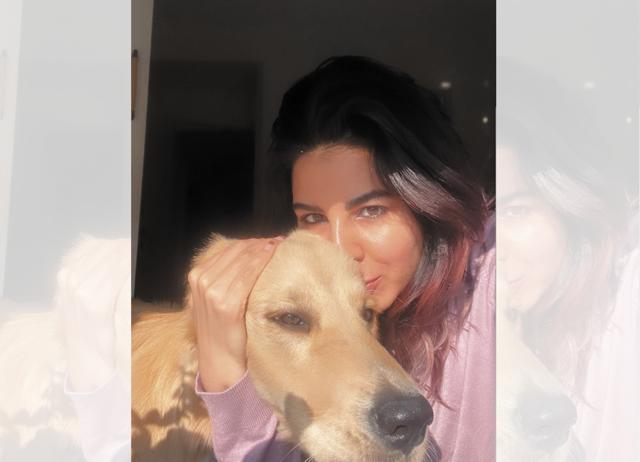
Kulhari is looking forward to working as a producer on the upcoming Khichdi 2 and starring in Hisaab Barabar with R Madhavan. Some milestones, she knows, will be more challenging than others. Kulhari fears living in a world without her 15-month-old dog, Hope. “I know it’s inevitable, but I end up crying when I think about it. But I know that no matter what, grief won’t leave me unable to function. That comes with a lot of hard work.”
And if she met her teenage self now, Kulhari says she won’t wipe young Kirti’s tears. Instead, she’d help her examine why she’s feeling so blue and how to claw her way out of it. “You aren’t a football for your emotions and feelings to be kicking around. Witness the match; don’t get consumed by it.”


