
 E-Paper



Hide and cheat: What those terms on ingredient labels mean

 Prefer HTon Google



What is high fructose corn syrup? Are yellow and red dyes good? Dieticians and nutritionists break down the confusing stuff we see on food labels
It’s like a magic trick. The nutrition label on processed, packaged food – everything from sliced bread to protein bars and energy drinks – is designed to conceal as much as it reveals. On the front of the packet, everything seems healthy. But flip to the back, and the ingredients seem like they came from a chem lab, not a kitchen. Don’t be taken in by the names and numbers. Experts are here to help.
Read between the lines. “Watch out for ‘Yes’ claims and ‘No’ claims,” says Yash Parashar, founder of food brand Mama Nourish. “Some products state that they include good ingredients, while others say they don’t contain harmful ingredients. It’s what leads us to view a product as healthy or unhealthy.” Ingredients are typically listed in descending order of their proportion. If hydrogenated palm oils, sugars, salts, and refined flour show up the first four, it’s hardly reassuring. “If the list of ingredients has scientific-sounding names rather than familiar foods, avoid it,” says Dr Shuchi Sharma, chief dietician at Sahyadri Hospital, Pune.
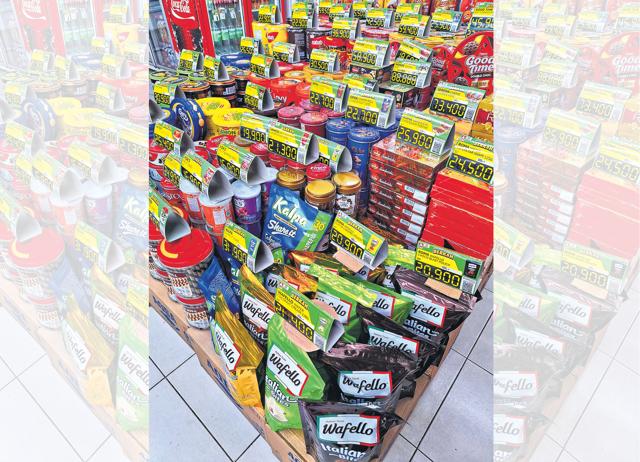
Look for sweet scams. Products that claim to be sugar-free or to have no added sugars often contain sugar in other forms. “Look for terms such as high fructose corn syrup, golden sugar, honey, jaggery, dextrose, fructose, beet sugar, honey and apple juice concentrate,” says Vedika Premani, clinical dietician at Mumbai’s Sir HN Reliance Foundation Hospital. The big culprits: Breakfast cereals, protein bars, flavoured yoghurts, salad dressing, and fruit juices.
Don’t slip on the oil. Neha Sahaya, clinical nutrition consultant and celebrity nutritionist, says that labels that list palm oils, sunflower oil, trans fats, and partially hydrogenated oils have no business being in healthy foods. “Refined palm oils contain saturated fats,” she says. Consume too much, too often and they clog up the heart. “They also contribute to obesity, which then leads to a host of other co-morbidities.”
Fish out the fakers. Sugar substitutes such as maltodextrin, erythritol, sucralose, sorbitol, xylitol, maltitol, mannitol, and isomalt sneak into foods that need sweetening up, says Parashar. “Be cautious of sugar alcohols, syrups, glycerine, and corn syrups. Most of these are addictive, and mess with your gut bacteria,” he advises.
Dye on this hill. Healthy foods often get a dose of chemicals so they look more appetising and can last for weeks and months longer in the packet. Look for the letter E, says Parashar. “When you see numbers such as E211, E250, E251, E621, or artificial colours such as E102, E110, or Yellow No. 5 or Red No. 40, put the product back.”
Stay in class. Salt, sugar, vinegar and edible oils (the stuff that we consume and cook with anyway), are Class-I preservatives. But Class-II is where the danger lies. “These synthetic compounds such as nitrates, nitrites and sulphites, even though their use is legally permitted, have been linked to an increased risk of certain types of cancer,” says Dr Sharma.
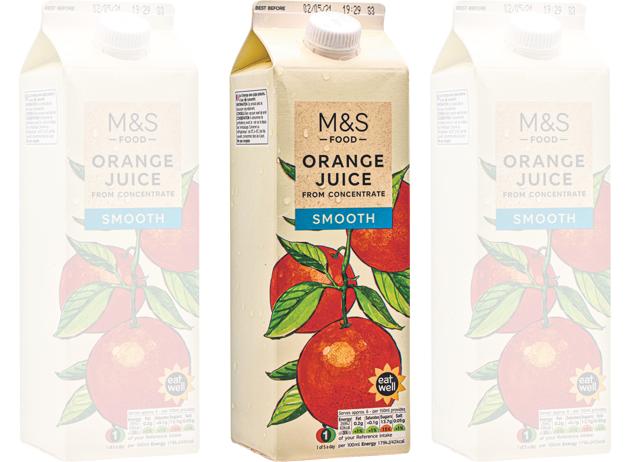
Portion it out. Food labels list total calories based on serving sizes. They rarely list how much the entire product contains – this is to make all the numbers seem low and safe. “If a yoghurt container lists half a cup as one serving, but you eat a full cup, you’re consuming double the calories and nutrients,” says Dr Sharma. Serving sizes are not a recommendation of how much to eat either. They just tell you how much a person is likely to consume.
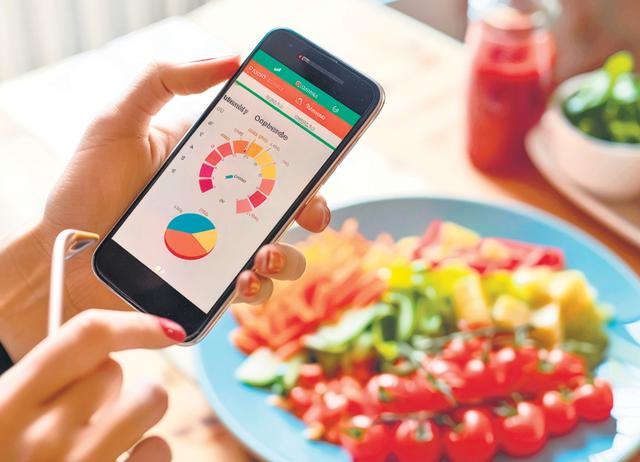
Track it all. Parashar recommends monitoring your food habits. “For just one week, record everything you eat, breakfast, dinner, tiffin, delivery orders, snacks,” he says. Calorie-tracking apps and sites will help calculate what you’re consuming, and how much. “By the next week, you’ll know which foods to cut back on.”
Bitter lessons: What some labels really mean
Made with real fruit. Often, this means that only a small portion of the contents come from whole fruit. The rest is from fruit concentrate – which contain much more added sugar than fresh fruit.
Light. The light version of a product usually means less fat. But they may be making up for it with sugar or other chemicals to compensate for the change in taste.
Multigrain. They aren’t necessarily healthy. They may just be made with different proportions of refined grains instead of whole grains like wheat, jowar, or bajra.
Gluten-free. No wheat, rye, or barley, which trigger Celiac disease. But they may still be high in sugar, fats, oils and preservatives.
No cholesterol. Plant-based items don’t have cholesterol in the first place. It’s just a gimmick.
Honey flavour. Honey is good, but processed foods are rarely made with just honey. Cheaper syrups are added in, decreasing nutritional value.
Made with real vegetables. It’s typically dehydrated vegetable powder, padded up with large quantities of less nutritious fillers, like potato.
From HT Brunch, September 14, 2024
Follow us on www.instagram.com/htbrunch


