E-Paper



Listicle: 10 YA tropes that need to grow up
A divided world, a post-apocalyptic wasteland, a prophecy, a burden too heavy for a young adult. 10 YA dystopian cliches to vanquish in battle

 Prefer HTon Google


The chosen child
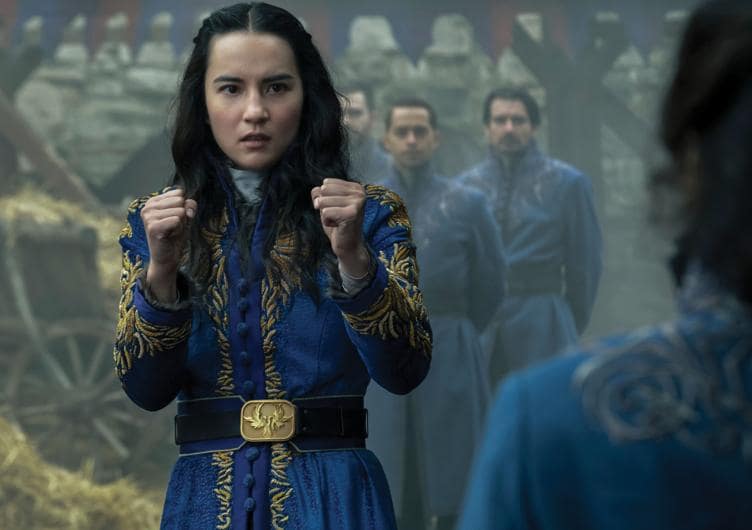
Rare powers, magical trinkets, supernatural abilities, or just someone who’d been watched since they were little. Alina Starkov from Shadow and Bone (2021-2023) can summon light. So she’s saddled with the task of saving her kingdom. In Victoria Aveyard’s Red Queen (2015-2018), Mare Barrow also has rare powers, which come in handy to overthrow the ruling class. No one ever uses their powers for a house party, sadly.

The kids who have to fix it all
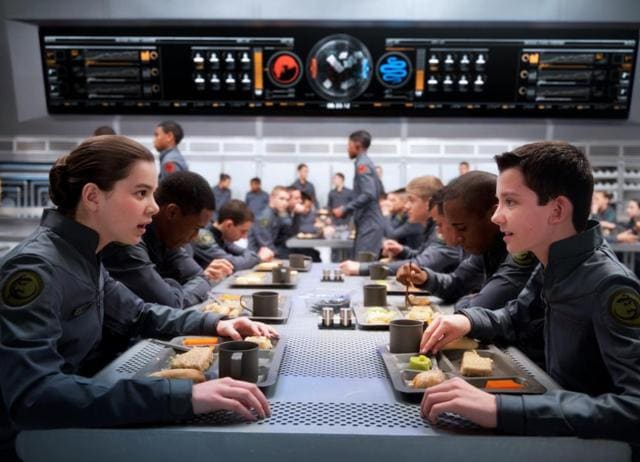
The Darkest Minds (2018). Ender’s Game (2013). The 5th Wave (2016). The Hunger Games books (2008-2010). Why must young people keep fixing the messes of the elders? In some stories the kids get superpowers; in others, they’re just expected to be smarter than the adults and figure it all out somehow. Interestingly, none of the kids have real problems: Acne, growth spurts, an inability to wake up early.
Class hierarchies
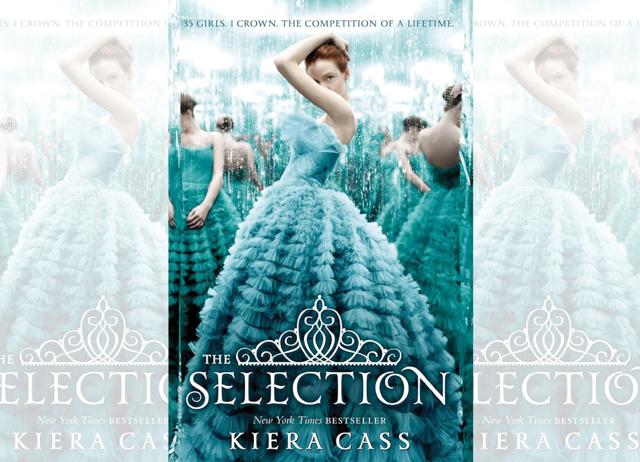
In Kiera Cass’ Selection books (2012), citizens are divided into castes, numbered from one to eight in descending order of importance. In Divergent (2014), kids get sorted into rigid virtue-based departments with odd names such as Abnegation and Erudite. In the Hunger Games (2012) it’s rich-versus-poor. Surprise! One disadvantaged (but determined) teen is all it takes for the fat cats to fall.
The heroine’s side quest
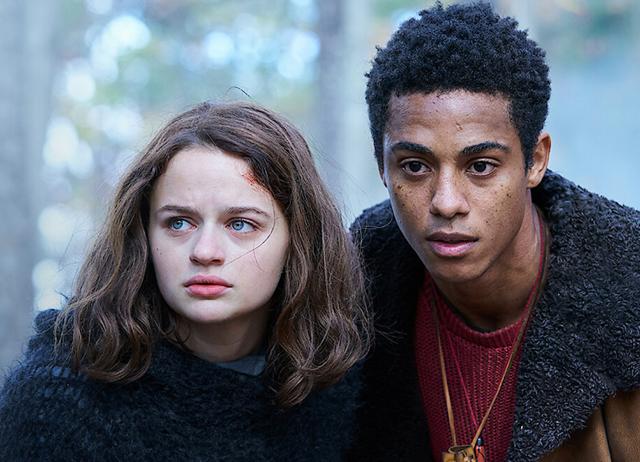
Sure, she’s gotta save the world. But first, she must pretty up (turns out she was pretty all along), have an identity crisis, a big pang of self-doubt and a forbidden love. Joey King did it in Uglies (2024), as a woman who must choose between beauty and intelligence. In Tahereh Mafi’s Shatter Me series, 17-year-old Juliette can kill with a touch. The government is interested, obv. But what of her social life?
The love police
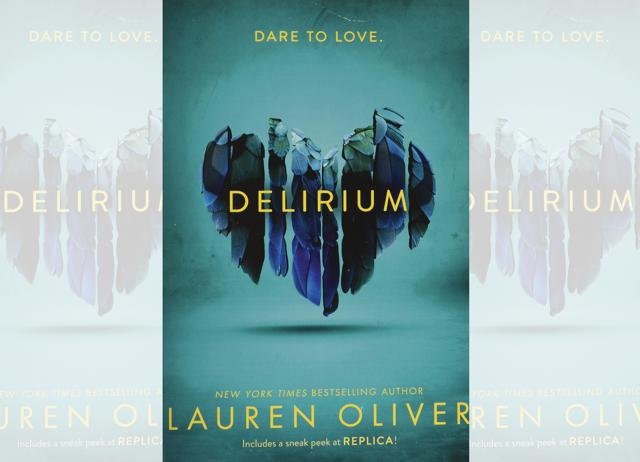
For young-adult readers, it’s the perfect metaphor for parents – the external force that must be conquered in order to feel all the feels. In Lauren Oliver’s Delirium books (2011-2013), love is literally a disease that can be “contracted”. Of course, the characters rebel and find their soulmates. In Allie Condie’s Matched (2010), young people get matched with partners anywhere on Earth. More gross than it sounds.
The cyberpunk wasteland
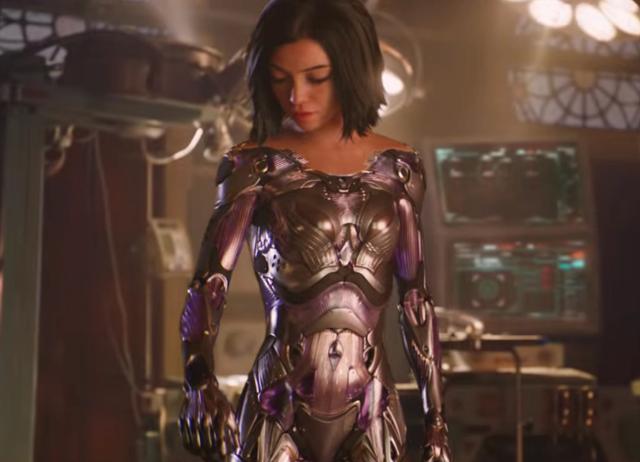
Somehow, when the world goes to pieces, it ends up looking like a metal landfill. The 2019 film Alita: Battle Angel takes place in Iron City, one of the last habitable places on Earth in 2563. It’s crowded, chaotic, and full of rusting metal buildings. In the VR dystopia Ready Player One (2018), Wade Watts lives in the middle of a giant scrapyard. Only old folks believe tech can do this much damage.
The emotional damage
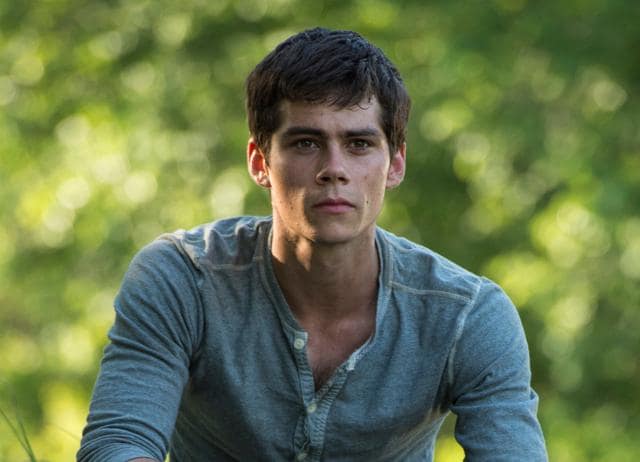
Most YA heroes are too young to have tragic backstories. But then, how would they fuel their rage? In The Maze Runner books (2009-2011) poor Thomas has to deal with a past he doesn’t even remember. In the 2021 film Chaos Walking, young Todd Hewitt is not only an orphan and illiterate, his planet has no women. Isn’t staging a revolution hard enough on young people?
The evil empire
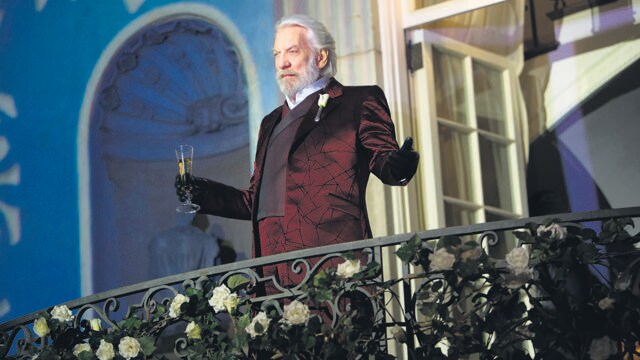
All-powerful corporations are the truffle oil of the YA publishing – they end up in every product. In Shatter Me, it’s called The Reestablishment.Kindly old men are keeping the Hunger Games alive. Sweet grandpas turn out to be the villains in the Vampire Academy books. Evil takes many forms, sometimes it’s just an ageing pencil pusher with a grudge and nothing to lose.
The ageing adult behind the curtain
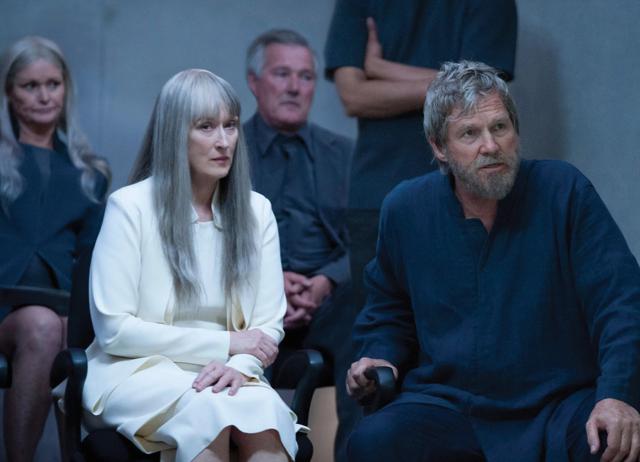
Never trust an old man in a YA novel. And never believe any young villain is acting alone. In The Giver (2014), society has eliminated memories to maintain harmony. So Jonas, 18, is chosen to be Receiver of Memories. The Chief Elder, who maintains law and order, starts out a kindly mentor. But when Jonas starts questioning the way things are run, guess who turns nasty?
The snoopy government
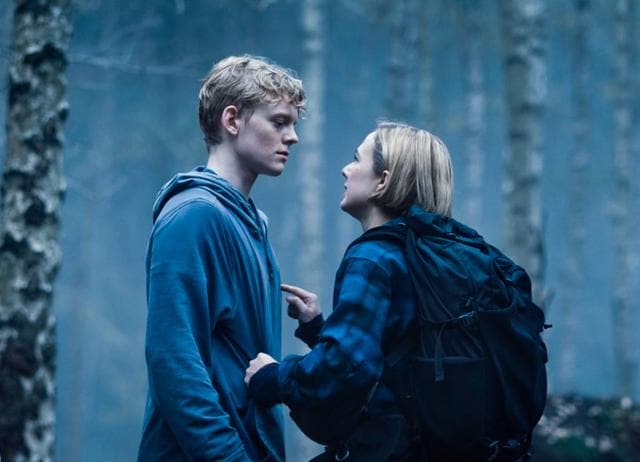
Three chapters into any perfect world, chinks appear. Critics disappear. Everything stops aligning just so. There’s censorship, corruption, state control, and fascism and all-knowing government keeping everyone in check. The Rain (2018-2020), 3% (2016-2020), and books like Legend (2011) have it. What is a dystopian society without a power-mad ruler? And what other stories would we tell, anyway?