
 E-Paper



Noodles, soup, extras: Here’s how to order the perfect ramen every time

 Prefer HTon Google


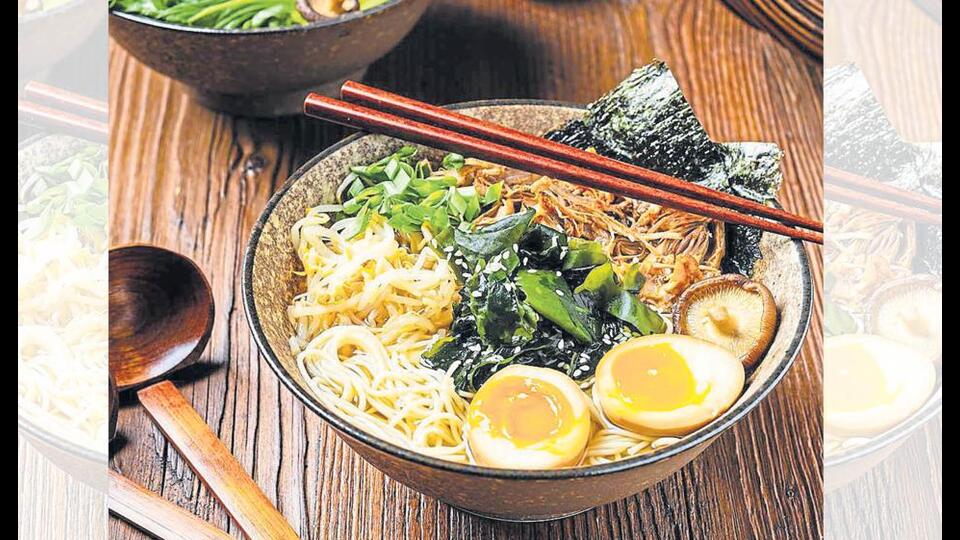
Ramen experts Parth Bajaj, Navika Kapoor, and Kunal Dogra provide the ultimate guide to ramen, covering broth, noodles, toppings, and etiquette in Japan and South Korea.
What separates a tonkotsu from a shoyu? Do udon noodles go better with pork or fish? Who does a silkier broth: Tokyo or Seoul? Bring the ramen experts in. Parth Bajaj, 27, chef and content creator; Navika Kapoor, 25, chef-owner at Zuru Zuru; and Kunal Dogra, 28, co-founder of Gurgaon-based Long Finish by Ramen Donn, create the ultimate guide to ramen.
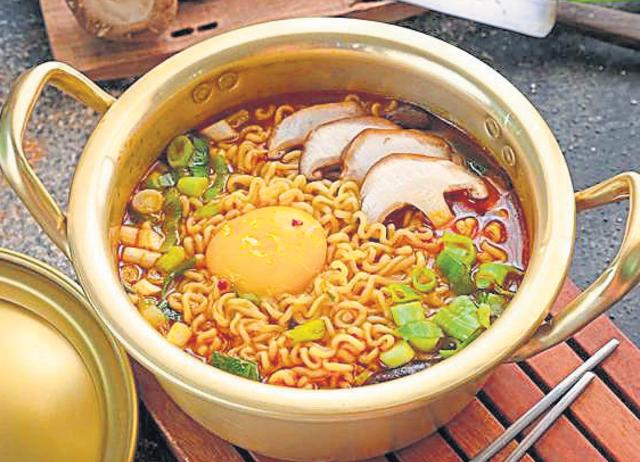
First, pin the location. “At its core, ramen consists of four essentials: A rich bone or mushroom broth that’s full of flavour, perfectly cooked noodles, a unique tare or seasoning base, and a variety of toppings,” says Dogra. Both Japan and South Korea are proud of their ramen heritage – and they should be. But most Korean ramen (or ramyun, as they call it) in India is the packaged or instant version, even if it’s turned into a restaurant dish. Japanese style ramen, mostly served in restaurants, is made from scratch. Better restaurants will even make fresh noodles inhouse. Bajaj travelled to both countries to learn proper ramen techniques. Kyushu, north Japan, is home to the rich, pork-based tonkotsu ramen, while Tokyo loves shoyu or soy-based tare and a clear chicken broth.
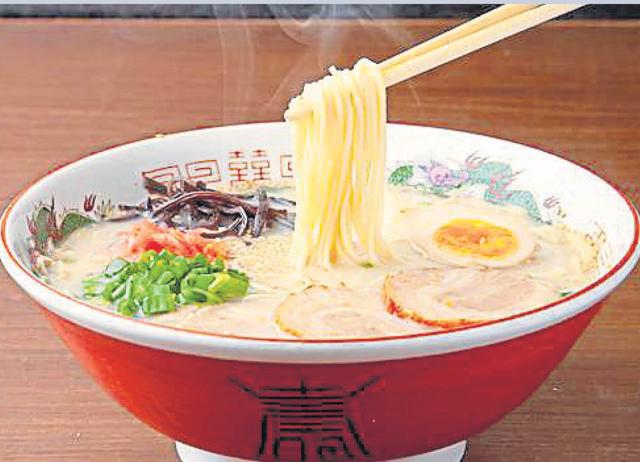
Then, send noods. Noodles are possibly the only component in a ramen bowl with some rigidity in their composition, which means they’re extremely important. Korea uses mainly instant ramen, which means the noodles are of standard quality, but the flavours are distinctly Korean. Japanese noodles are a different beast. “They’re supposed to be firm, chewy and survive the scalding hot soup,” says Kapoor. “They’re made with alkaline salts called kansui, which makes them chewy and yellow.”
Thinner noodles are ideal for lighter broths because they cook quickly and soak up the flavour, says Dogra. “Thicker noodles are better suited for richer, heavier broths such as tonkotsu. They take longer to cook, which helps them maintain a chewiness that complements the dense broth. Most ramen noodles are wheat-based, but variations incorporating eggs are also popular.”
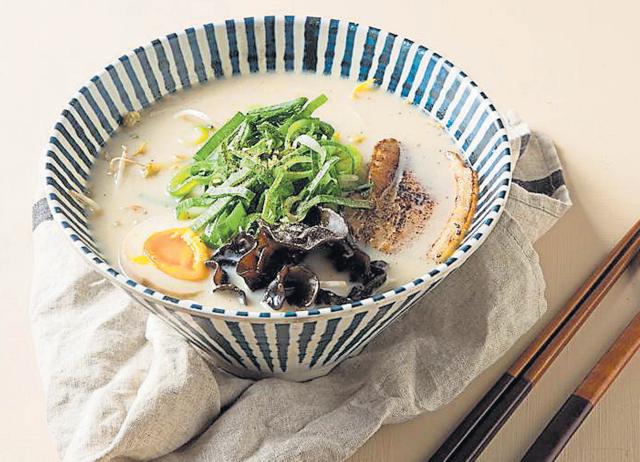
Flavour savers. The tare, or soup base, defines each ramen’s character. “The Japanese have three main types: Shoyu, shio, and miso,” says Dogra. “’Shoyu is soy sauce, and it creates a savoury, slightly sweet broth. Shio or salt offers a cleaner, more straightforward highlight to the broth’s natural flavours. Miso, made from fermented soybean, introduces a rich, nutty hearty depth.”
Most light broths use chicken, fish, or vegetables, providing a delicate base,” says Dogra. “A tonkotsu, made from pork bones, is left to simmer for hours to achieve a deep, robust flavour.” Buff broths are popular too. “Vegan broths are typically made using mushrooms, giving a hearty umami kick.” Meat-based broths will often include a soft-boiled egg to add a creamy richness to the dish. Split it open at the start so the yolk can seep out and do its magic to the broth.
The cheat sheet. When scouting for exceptional ramen, three things matter, says Dogra. The broth shouldn’t be overly greasy or salty. The noodles should be springy, never limp. The toppings should be fresh - crisp vegetables, perfectly cooked eggs, and succulent meats. Bajaj prefers tonkotsu and tsukemen, in which the noodles are served separately from the broth. “You’re supposed to dip them in the broth, so you get warmth in each bite.”
Manners to mind. In both countries, slurping is not only acceptable but encouraged—it cools the noodles and enhances the flavours. “Start by tasting the broth to appreciate the chef’s work before diving into the noodles and toppings,” advises Dogra. Kapoor also recommends “taking a big whiff of the bowl to get the aroma. Then, taste the soup, then take a bit of all the toppings to explore the textures and flavours, and always slurp the noodles.” Lingering is pointless. Even thick noodles get limp after 20 minutes of serving.
As with all Asian meals, there are chopstick rules. “Never leave them inside the bowl,” says Bajaj. “Place them on the side or on a chopstick holder. And never leave or waste any ramen in your bowl, especially if you’re in Japan, that’s considered rude.” Sharing is seen as rude too, as is lingering over a bowl in a busy ramen bar.
From HT Brunch, May 18, 2024
Follow us on www.instagram.com/htbrunch


