
 E-Paper



Novel idea: Why we need to give more love to debut authors

 Prefer HTon Google


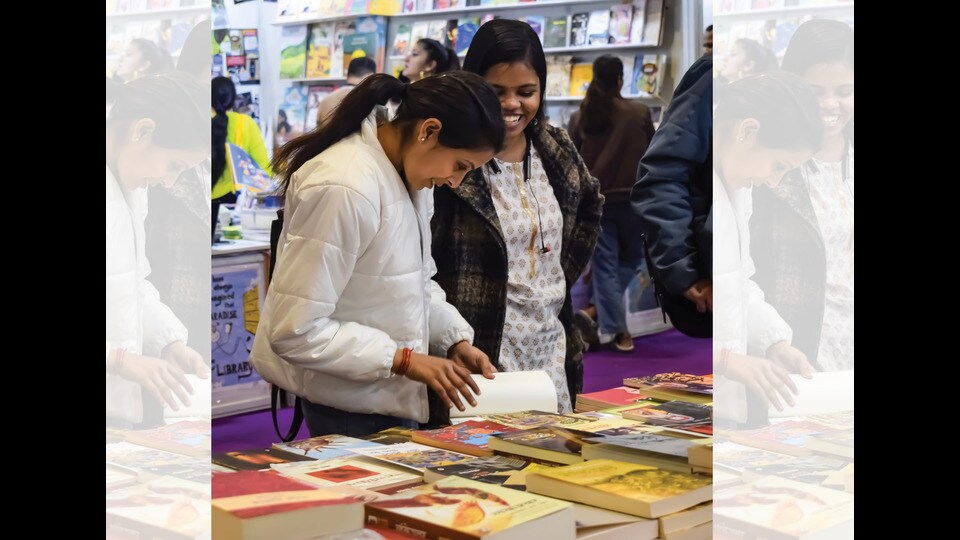
It’s cool to be a new musician or designer. But debut authors rarely get the same love. To make every book count, readers and publishers have to work harder
Don’t judge a book by its… author. Especially if it’s a first-time writer. In any other industry, undiscovered talent is considered a thing of pride. New bands are celebrated at music festivals and concerts; emerging designers such as Nancy Tyagi walk the red carpet at Cannes; open-mic nights run to packed houses.
Debut authors, however, are avoided like they’ve broken out in boils – no one comes to their book readings. No one is excited about being the first to discover a great new voice. In Indian publishing, fame begets fame. Here’s what needs to change.
Reading the room
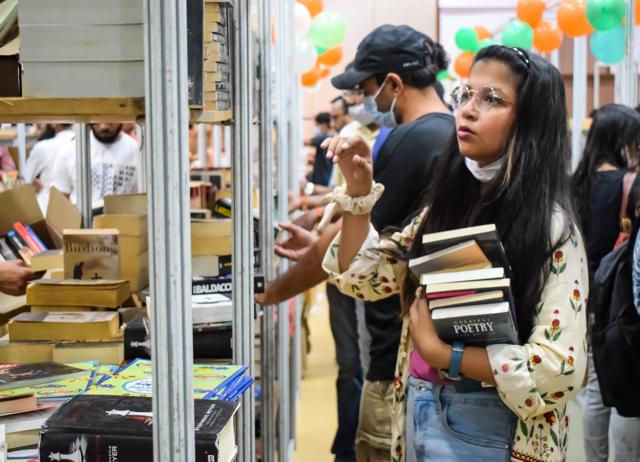
“We’re in a paradox: Business is booming but readership is declining,” says Thomas Abraham, managing director at Hachette India. “For the past six or seven years, over 95% of new books published have sold under 500 copies, across the Indian publishing industry, not just one or two houses.” Book readership is on a decline, but there’s no dearth of people turning writers.
So, in a cluttered market, it’s hard foran unknown name to get noticed, especially if the author isn’t already a social media sensation, as with poet Rupi Kaur. “Readers also aren’t as receptive to Indian debut authors as international ones,” says Ravi Singh, co-founder of Speaking Tiger Books.
Books are at a specific disadvantage. They can’t be played in trendy cafes, go viral on a Reel, or be remixed into cool bops, so it’s hard for a new one to make an impact. “The consumption of books is also slower than other forms of entertainment,” acknowledges Rochelle Potkar, novelist, poet, and screenwriter. So, readers are hesitant to take a chance on a new voice.
To make matters worse, most books are now bought online. So chances of browsing and discovering a new author shrink further, and readers are more likely to buy a title that’s already popular. “With fiction, there’s a lot of word-of-mouth publicity. You read a book, and recommend it to a friend,” points out Elizabeth Kuruvilla, publishing director at Simon & Schuster India. “In that sense, debut authors are at a disadvantage.”
Saikat Majumdar, novelist, critic and academic, believes that while the literary community is excited to discover new works, it’s limited to a small circle of readers. Good finds rarely trickle out to the larger world. Literary festivals and panel discussions are all the more exclusionary – the organisers rely on the crowd-pullers rather than exciting new voices.
“Everyone’s in their own little bubble,” Potkar says. “Writers compete among ourselves, rather than see the industry as a collective.” Established authors and literary clubs tend to promote voices within their own circles, so newbies feel left-out or ignored.
A novel approach
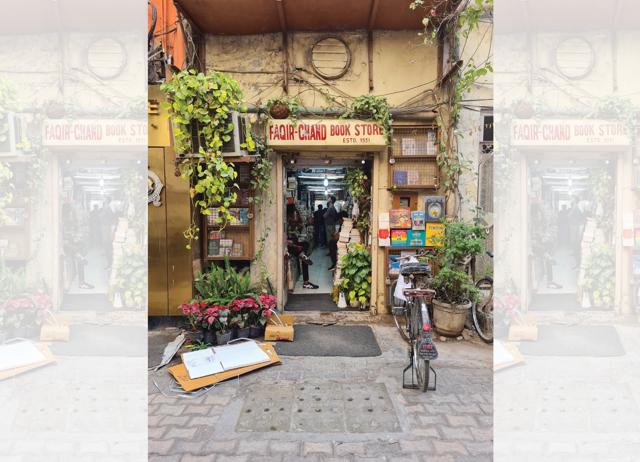
How to change the narrative? As a reader, head to independent bookstores, where the picks are driven by fellow readers rather than the lure of an established name. Spoken Fest, Bangalore Literature Festival, and the Dibrugarh University International Literature Festival are more inclusive and welcoming of new voices, finds Potkar. Initiatives such as the Himalayan Writing Retreat consciously support emerging authors via residencies and workshops.
Internationally, new writers have launched their work on TikTok’s BookTok. In India, book clubs have clout. “If even five, or ten people share your book online, it will reach hundreds of people,” says Potkar. “The most successful books are those that are able to generate this community connect,” says Abraham. “Events, festivals, even social media, with a few exceptions, are of absolutely no use in sales or promotion.”
Writing it off
What publishers can do better, says Singh, is be open to taking risks on new writers. “We look at every submission sent to us, even if it’s unsolicited. My colleagues and I actively look for young voices, guided by what we see in newspapers, social media, and magazines.”
They’ve published the debut books of Selma Carvalho and Mihir Vatsa. But often, it’s a gamble. “What first-time authors need is patience. Your first book will rarely sell a lot of copies,” Singh says. “Writers shouldn’t feel diffident or inadequate because they have just one book, or imagine they need a certain level of fame to be legitimately considered authors.”
Majumdar says that publishers can widen the stories they publish simply by signing on writers from underrepresented backgrounds. “Editorial tastes tend to reflect a certain social background and education, which, currently, is more or less homogenous across the major publishing houses.”
And debut writers, for their part, will have to ensure they’re noticed and endorsed by their established counterparts. “Try to cultivate a guru-shishya relationship,” advises Potkar. “Read and review a writer’s work, go to their book launches, and chase them until they warm up to you. Don’t chase them just for a blurb or a recommendation.” And keep honing your craft, she says. Sooner or later, you’ll find the readers you were meant to.
From HT Brunch, January 25, 2025
Follow us on www.instagram.com/htbrunch


