
 E-Paper



Sad when a show wraps up? We all are. Here’s what to do

 Prefer HTon Google


It’s mild. It passes. But the grief we feel when a favourite show or film ends is real. And there are ways to cope too
On one level, it seems like the ultimate first-world problem: A well-loved TV show, video game or film franchise has ended, leaving fans bereft, nursing a sense of loss. Imagine the feeling of emptiness after Game Of Thrones delivered its final (if middling) finale in 2019. Or emerging from this year’s trifecta: The end of Succession, Ted Lasso and The Marvellous Ms Maisel. Rita Kottasz, associate professor of marketing at London’s Kingston University, has been studying his phenomenon for about a decade, and terms it post-series depression.
Even she’s quick to point out that this isn’t an actual disorder. But in a world where it’s possible to binge-watch a show over weeks, get immersed in a fictitious world, and invest in characters’ story arcs, the void, when the show wraps up, is pretty real.
Hiral Malde, a 39-year-old web series producer and digital marketer from Mumbai, was both excited and sad when the fourth season of Succession was announced as its final one. “I wanted to see what’s happening in that world I have loved for long,” Malde says. “I also knew I’d have to bid goodbye to the characters.”
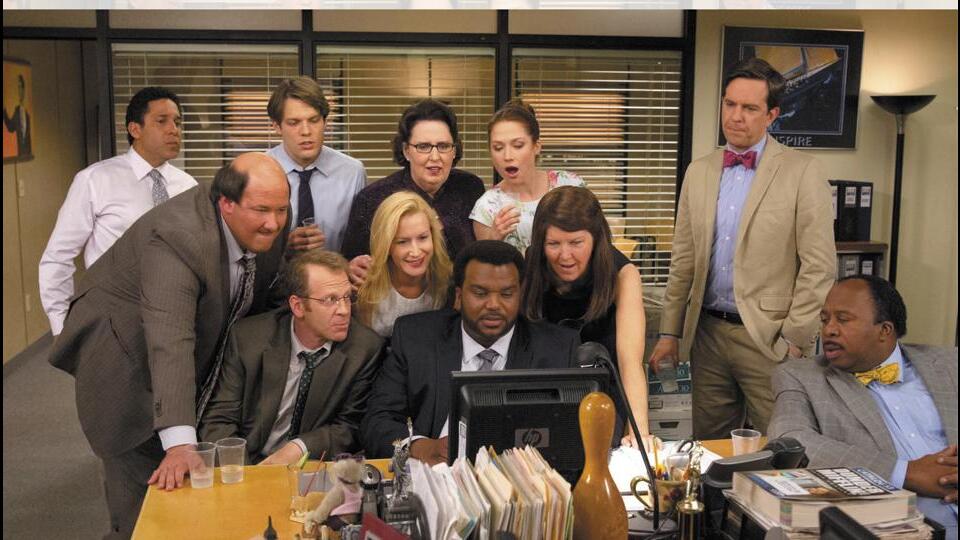
Kottasz has used the term “consumer saudade” to describe the emotion. Saudade, from the Portuguese, roughly translates to a nostalgic longing – a more apt description than outright grief. Suchin Mehrotra, Film Companion’s OTT show critic, prefers to call it post-series slump. “That void is, perhaps, stronger with longer running shows such as The Office or How I Met your Mother,” says Mehrotra. Shows with eight-to-ten episodes rarely trigger it.
That said, it’s more frequent today, as viewers have access to new releases and can watch or rewatch old favourites in one go. The Friends finale hits harder when all 10 seasons are watched back-to-back. Harry Potter movie reruns leave longtime fans with a sense of loss, despite the happy ending. “Even after watching the show and the movies several times, I still feel sad when the finale is approaching,” says Malde.
For gaming fans, who get actively involved in how a story develops, winning the game is bittersweet – users have severed their own connection to the game. Many gamers simply shrug it off as a kind of hangover. Others report developing mild parasocial attachment – a feeling that the make-believe characters in the game have developed feelings for the gamers too.
In a 2019 study, Kottasz and her research team developed a 15-item classification scale for the phenomenon. The most common emotions associated with it were frustration, disappointment, indignation, sadness or that vague idea of just feeing empty inside. The binge-generation problem has a binge-generation quick-fix. There are websites, fan pages and podcasts online, for new and returning fans to find. “It also creates an online community bound by love for a film or series,” says Malde. “There’s comfort in finding an outlet to discuss how you feel, which is wonderful.”
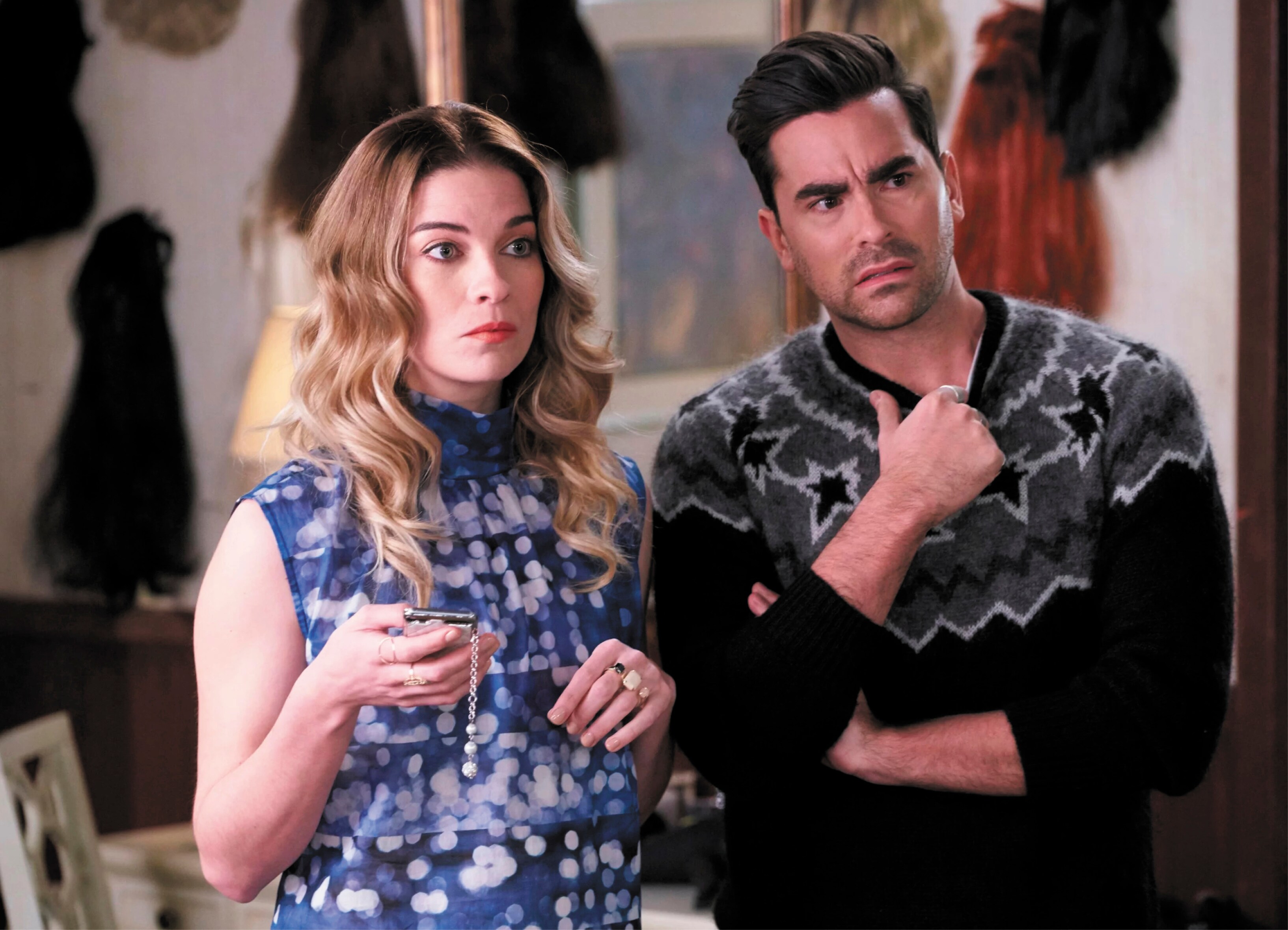
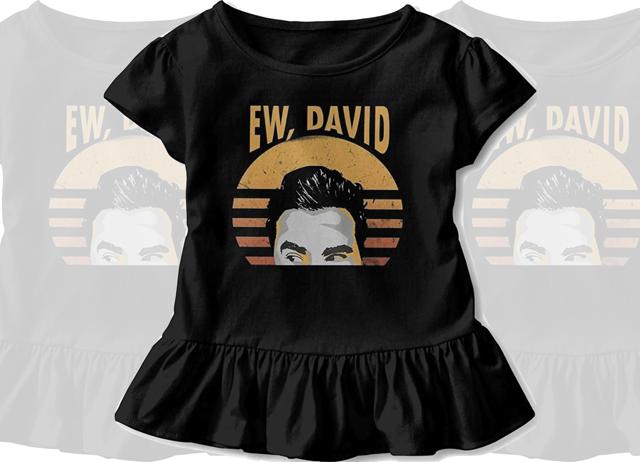
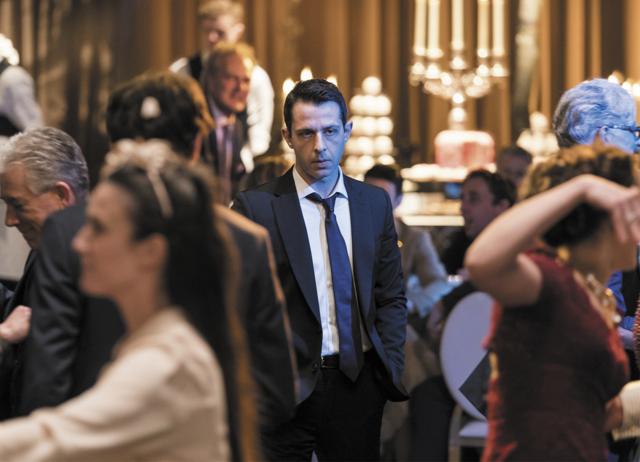
On Instagram, fan pages stay active for years, buoyed by waves of new viewers. It’s where Succession’s Kendall Roy retains his status as the Number One Boy. On YouTube, supercuts help fans relive the best bits. Alexis’s “Ew, David” catchphrase from Schitt’s Creek has a life of its own there. Companion podcasts for The Witcher, The Crown, Stranger Things and Star Trek: Lower Decks break down key scenes and offer behind-the-scenes trivia. They essentially do for the streaming folks what DVD extras did for superfans of yore.
It’s not depression, sure. But for anyone nursing a small sense of loss after enjoying an imaginary world, there’s hope that somewhere in the real world, there are real folks experiencing the same thing. It validates that light loss, and may just be the Band-Aid fans didn’t know they needed.


