
 E-Paper



Tacky attack: Why India’s souvenirs are more cringe than cool

 Prefer HTon Google


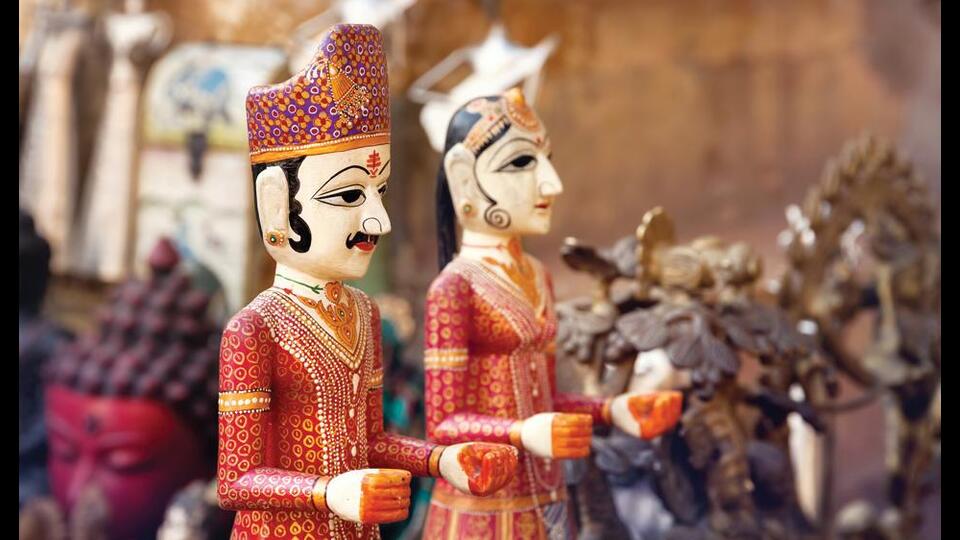
Why is India’s souvenir game so weak? Even kitsch can be cool. Instead, we’re stuck with tacky stereotypes
It is a truth universally acknowledged that no vacation is truly complete until one buys the perfect fridge magnet. Flying in from Japan? Not without the light-up 7/11 one. Returning from the UK? Pack the Harry Potter snitch and the Canterbury Cathedral mediaeval goblet. Spain? Make space in the suitcase for matador-cape shot glasses.
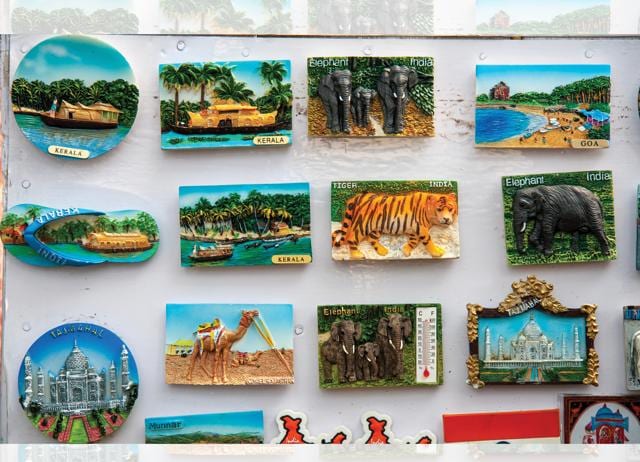
But what happens when flying out of India? Laddoos, Darjeeling tea, and pashminas are wonderful. But you can’t exactly put them on the fridge or workstation board. The trinkets we do have are terrible: Badly finished replicas of the Taj Mahal; tiger-paw-print keychains from national parks; generic moustaches and turbans; gaudy, oversaturated imagery of Rajasthan. It’s boring, it’s dated, and it doesn’t say a thing about the India of today.
For a country with such a varied landscape, an abundance of people and creativity, no dearth of textiles or manufacturing, why is our souvenir game so weak?
Arjun Charanjiva founded Kulture Shop India in 2014, working with local graphic artists to create clever, top-quality merch that moved past mass-market claptrap. There were tote bags featuring technicolour cityscapes, prints of matchbox art, filigree patterns on postcards, and T-shirts with stacked steel tiffin-boxes. Some of their artists have showcased at Art Basel Miami, the Asian Art Museum and the India Art Fair. Charanjiva believes that a good keepsake is distinguished not just by how it looks, but the story it tells. “A lot of souvenirs in India still cater to the lowest common denominator—mass-produced, kitschy, or made for quick tourist sales,” he says.
Kulture Shop flourished, but didn’t survive the pandemic. Other brands have tried to change the game. Happily Unmarried’s best-known product was an ashtray shaped like the Indian toilet. They sold truck-shaped key holders and capitalised on bilingual wordplay (Remember the Jimmi Jimmi Jimmi Aa Jaa poster with Jimi Hendrix’s face on it?) Chumbak has put modern spins on Indian mythological figures. Their magnets and bobbleheads were all the rage. It all works, until it doesn’t.
That’s likely because clever-clever well-made objects don’t come cheap. And because most in-jokes are lost on the vast majority of global tourists visiting India. (How many foreigners will reasonably want that Jimmi poster?)
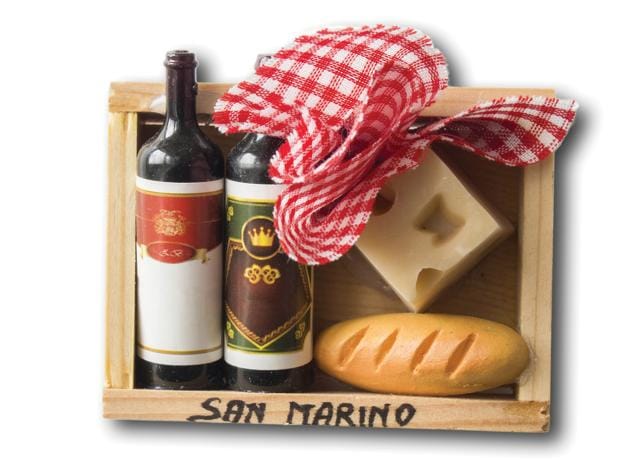
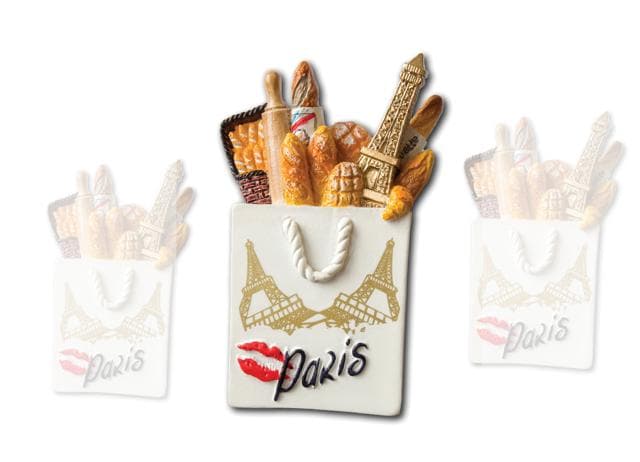
What we need is to clean up the offerings in the mass market. Italy sells gorgeous little wine-and-ham shaped fridge magnets. The US lets you put your name on a mini license-plate-shaped keychain. Even Dubai has a series of camels dressed as different professions to gift the chef, artist, banker and dancer in your life. India’s 3D magnets of idli sambar, samosas, and vada pao need to look more pleasing if they’re to appeal to the world. No one wants a mini Taj Mahal if it looks like a budget mausoleum.
“It’s not easy, and no brand has mastered it yet,” says Charanjiva. His own favourites from Kulture Shop include three block prints by Nicky Thomas, one of the original co-founders of the brand People Tree. “I bought them at a Goa flea market 20 years ago, and it was the first time that I saw an Indian artist/designer breaking the mould with humour to reach out to an Indo-global audience.” He also owns Kala Ghoda Musings, a lithograph made by artist Sameer Kulavoor during his time as an illustrator. “It’s not just a fantastic piece of art; it’s a piece of Mumbai culture and identity that stays with you.”
Tourists, even Indians looking for good presents, want tchotchkes that represent the complex, diverse, beautiful country we are. “There is perhaps an opportunity to build India’s answer to MoMA Design Store, and rival Japanese souvenir brands, or the kind of curated local products you see in European cities.” And no, we do not want more gilt papier-mâché elephants.
From HT Brunch, February 22, 2025
Follow us on www.instagram.com/htbrunch


